
Kalium Meter Inspection Service
Accurate potassium measurement matters when water quality, laboratory control, or process verification depends on reliable ion data. Over time, sensor drift, electrode aging, contamination, and handling conditions can affect meter performance, which is why a professional Kalium Meter Inspection Service helps confirm whether the instrument is still operating within expected performance for routine use.
This category focuses on inspection support for kalium meters used in environmental and analytical applications. It is intended for users who need a practical way to evaluate instrument condition, check response stability, and reduce uncertainty before ongoing testing, maintenance planning, or broader quality control activities.
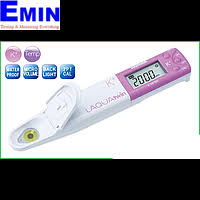
Why inspection is important for kalium meters
Potassium meters are often used where ion concentration data influences operational decisions, reporting, or sample acceptance. Even when an instrument appears to power on and provide readings, that does not automatically mean the measurement chain is healthy. The condition of the sensor, connector, cable, and meter input can all influence the final result.
A structured inspection service helps identify common issues such as unstable response, slow measurement behavior, or signs of deterioration from normal use. This is especially useful for facilities that want to catch problems early rather than waiting until inconsistent data starts affecting laboratory workflow or field measurements.
What this service category is typically used to assess
The goal of inspection is not just to look at the exterior of the device, but to review the overall condition of the measuring instrument in a way that supports dependable operation. For kalium meters, this may involve checking general functionality, response behavior, physical condition, and whether the instrument remains suitable for continued use in its intended environment.
For teams managing multiple environmental instruments, this type of service often sits alongside related support for devices measuring other parameters. If your workflow includes other ion-based equipment, you may also want to review ion measurement electrode inspection services to maintain consistency across the full measurement setup.
Common situations where inspection becomes necessary
Inspection is often requested after long periods of routine use, before internal audits, when readings begin to vary unexpectedly, or when an instrument has been stored for some time and needs to be checked before returning to service. It is also relevant when a meter is used in demanding environments where contamination, humidity, or repeated transport may affect performance.
Another common use case is preventive maintenance. Instead of waiting for complete failure, many users schedule checks to verify instrument condition at planned intervals. This approach is practical for organizations that need to reduce downtime and maintain confidence in environmental monitoring or laboratory testing activities.
Representative brands and service scope
This category includes inspection support for instruments from established manufacturers such as HORIBA and HANNA. Depending on the equipment in use, users may look for services related to the HORIBA Kalium meter Inspection Service or the HANNA Kalium meter Inspection Service as representative options within this category.
Brand mention is important mainly because meter design, sensor interface, and usage patterns can vary. In practice, the inspection process should be aligned with the instrument type and its application context rather than treated as a one-size-fits-all routine.
How to choose the right inspection service
When selecting a kalium meter inspection option, it helps to start with the actual role of the instrument in your workflow. A meter used for occasional spot checks may need a different service schedule than one used regularly in controlled testing. It is also useful to consider the age of the instrument, frequency of use, storage conditions, and whether the sensor has shown signs of drift or instability.
If your facility manages several types of environmental instruments, choosing services in a coordinated way can simplify maintenance planning. For example, organizations that also verify humidity-related instruments may find it useful to compare schedules with a dew point meter inspection service where similar reliability and traceability concerns apply.
Benefits for laboratories, utilities, and industrial users
A dependable inspection process supports more than the instrument itself. It also helps protect the quality of the data generated by technicians, analysts, and maintenance teams. When the performance of a kalium meter is periodically reviewed, users can make decisions with better confidence and reduce the risk of acting on questionable measurements.
For B2B users, this is especially valuable in environments where measurement consistency supports compliance, internal quality systems, or customer requirements. Inspection can also help determine whether an instrument is ready for continued operation, needs maintenance attention, or should be evaluated further as part of a broader service plan.
Supporting a broader environmental instrument maintenance strategy
Kalium meter inspection is most effective when treated as part of a wider instrument management approach. Many sites operate multiple portable and benchtop devices, each with different maintenance intervals and operating risks. Coordinating inspections across the instrument fleet can improve planning, reduce disruption, and make service records easier to manage.
Where environmental monitoring extends beyond ion analysis, related categories such as water activity meter inspection services may also be relevant. Looking at the full measurement ecosystem often provides a more efficient path than handling each instrument only after issues appear.
Conclusion
Choosing the right kalium meter inspection support helps maintain confidence in potassium measurement, especially where reliable data is needed for routine testing, environmental checks, or process decisions. By evaluating instrument condition before problems become critical, organizations can improve continuity, support internal quality practices, and make better-informed maintenance choices.
Whether you are reviewing a specific unit from HORIBA or HANNA, or organizing service coverage for a wider set of environmental instruments, this category provides a practical starting point for keeping measurement equipment in dependable working condition.
Get exclusive volume discounts, bulk pricing updates, and new product alerts delivered directly to your inbox.
By subscribing, you agree to our Terms of Service and Privacy Policy.
Direct access to our certified experts

