Binoculars
Clear long-distance observation is essential in field surveying, outdoor inspection, navigation support, wildlife monitoring, and many general-purpose viewing tasks. Choosing the right binoculars depends less on marketing labels and more on practical factors such as magnification, objective size, optical design, portability, and whether the device will be used in daylight, low light, or night vision conditions.
This category brings together binocular solutions for different working environments, from compact handheld models for mobile use to larger optics designed for steadier long-range viewing. It also includes digital and night vision options for users who need observation support beyond standard daytime optics.
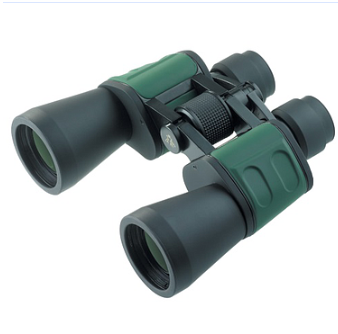
Binoculars for field observation, inspection, and outdoor use
In technical and outdoor B2B environments, binoculars are used to extend visual range without adding complex setup requirements. They are commonly selected for site checks, route observation, perimeter awareness, marine or open-area viewing, and general survey support where fast visual confirmation matters.
Compared with more specialized measurement systems such as Doppler Radar or dedicated speed sensors, binoculars serve a different role: they provide direct visual interpretation. That makes them useful when operators need to identify objects, monitor movement, or assess distant details before moving to a more advanced measurement stage.
How to choose the right optical format
The first specification many buyers look at is magnification, but it should always be considered together with objective diameter. A moderate configuration can offer a more stable image and wider field of view, while higher magnification may support detail recognition at longer distance but can be more sensitive to hand shake and lighting conditions.
For example, models such as the FOMEI 12x50 ZCF Classic binoculars and Konus Basic-Plus Binoculars (10X42, 56 – 74 mm) represent common all-round formats for general observation. A zoom option like the FOMEI 8-24x50 zoom ZCF Classic binoculars may be attractive when users need adjustable viewing range, while compact designs such as the FOMEI 10x26 DCF Classic binoculars are easier to carry during frequent movement.
Optical construction also matters. Prism type, lens coatings, focusing method, and exit pupil all influence image brightness, contrast, and comfort during extended use. For practical selection, it is often better to match the binocular to the real viewing task than to simply aim for the highest magnification.
Compact, standard, and high-magnification options
Compact binoculars are typically chosen when low weight and portability are priorities. They are suitable for mobile technicians, event support teams, and users who need a quick viewing tool that fits easily into a bag or field kit. Smaller objective lenses usually keep size down, though they may not perform as strongly in low-light conditions as larger optics.
Standard full-size binoculars in formats such as 10x42, 12x50, or 7x50 are often preferred for balanced daily use. They can offer a practical mix of visibility, comfort, and brightness for daytime work, marine observation, or stationary viewing. Products from Fomei and Konus in this category illustrate the range from classic designs to more general-purpose roof prism models.
When the priority is viewing distant subjects in greater detail, higher magnification configurations become relevant. The Bushnell Powerview 2 20X50 Binoculars and BARSKA 20x50 Escape AB11046 Binocular are examples of optics aimed at more demanding long-range observation, though users should also consider support accessories or tripod adaptability for steadier viewing at high power.
Daylight optics versus night vision binoculars
Not every observation task happens in daylight. For low-light surveillance, perimeter monitoring, and after-dark field use, night vision binoculars can be a better fit than conventional optical models. These devices use digital imaging and infrared assistance rather than relying only on ambient light passing through standard lenses.
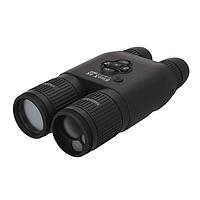
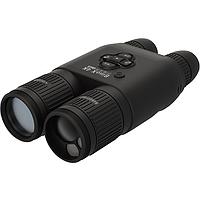
Within this category, the BARSKA NVX600 Night Vision Digital Binoculars and the ATN BinoX-4K Night Vision Binoculars w/ Laser Rangefinder (4-16x) show how night observation needs can vary. Some users need basic digital viewing and recording, while others may require integrated functions such as rangefinding, video capture, app connectivity, or extended battery operation for longer deployments.
For buyers comparing standard and digital binoculars, the key question is operational context. If the main requirement is bright daytime viewing with natural optical clarity, traditional binoculars are usually the best match. If the task includes darkness, infrared illumination, recording, or day/night transition, digital night vision models offer a more suitable toolset.
Manufacturer range and application fit
This category includes products from recognized optical brands used across consumer, field, and specialist observation applications. Bushnell, BARSKA, Fomei, Konus, and ATN each address different parts of the binocular market, from entry-level viewing tools to feature-rich digital observation systems.
Fomei models in this selection emphasize classic binocular formats with portable and full-size options. Konus products cover practical general observation needs, while Bushnell and BARSKA provide access to higher magnification and digital night vision alternatives. ATN stands out for users who need multifunction day/night binoculars with advanced electronic features rather than conventional optics alone.
Not every buyer needs the same level of complexity. For simple line-of-sight observation, a standard optical binocular is often enough. For mixed lighting, longer range, or digital evidence capture, it makes sense to evaluate electronic binocular platforms more closely.
Selection points that matter in real use
Before choosing a model, it helps to define the working distance, environment, and expected duration of use. A handheld device for occasional checks has different requirements than binoculars used for repeated observation over long periods. Weight, focusing convenience, weather resistance, and carrying comfort all affect usability in the field.
Buyers should also consider whether the binocular will be used alone or alongside other field equipment. In some workflows, visual observation may be supported by communication tools such as walkie-talkies for team coordination in outdoor operations. In other cases, binoculars may complement broader survey and monitoring setups, especially when operators need fast visual confirmation before deploying additional instruments.
- Choose moderate magnification for easier handheld stability and wider viewing comfort.
- Choose larger objective lenses when low-light performance is important.
- Consider compact models for mobile work and reduced carrying load.
- Look at digital night vision models when recording, infrared viewing, or rangefinding is required.
- Check focusing style and physical dimensions if the binocular will be used frequently in the field.
Typical examples in this category
Several products in this range illustrate the diversity of binocular applications. The FOMEI 8-24x50 zoom ZCF Classic binoculars support flexible magnification for changing viewing distances. The Konus Basic-Plus Binoculars (10X42, 56 – 74 mm) fit users looking for an all-purpose daytime optical format, while the Bushnell Powerview 2 20X50 Binoculars serve buyers who need stronger magnification for long-range observation.
For digital and low-light scenarios, the BARSKA NVX600 Night Vision Digital Binoculars provide a more electronic observation approach, and the ATN BinoX 4k 4-16X Day/Night Vision Binoculars extend that concept with advanced day/night functionality. This mix helps buyers compare traditional optical viewing against feature-rich digital platforms within one category.
Finding the best fit for your observation workflow
The right binocular is the one that matches the viewing task, operating environment, and user handling preferences. Compact formats support mobility, standard full-size models balance brightness and usability, and night vision systems answer more demanding low-light or digital observation requirements.
By comparing magnification range, lens size, optical design, and intended use, buyers can narrow the field quickly and choose a solution that fits their real application rather than just the headline specification. If your work involves distance viewing as part of a broader survey, monitoring, or inspection process, this category provides a practical starting point for selecting the right binocular platform.
Get exclusive volume discounts, bulk pricing updates, and new product alerts delivered directly to your inbox.
By subscribing, you agree to our Terms of Service and Privacy Policy.
Direct access to our certified experts