For full functionality of this site it is necessary to enable JavaScript.
EMINKH.COM
0

Automation of Water Supply Pumping Stations: Transitioning to Artificial Intelligence Algorithms

10/08/2026 10:06:04

Rising pressure on urban clean water supplies, combined with the need for energy conservation, is compelling water treatment plants to comprehensively restructure their mechanical infrastructure. Operational models relying on manual experience can no longer meet the challenges of optimizing electricity costs and managing risks within pipeline networks

Smart Water Infrastructure

The growing pressure on urban clean water supply, combined with energy conservation imperatives, is forcing water treatment plants to comprehensively restructure their mechanical infrastructure. Operational models relying on manual experience can no longer solve the challenge of electricity cost optimization and pipeline risk management. Integrating Artificial Intelligence (AI) into SCADA systems and field measurement instrumentation delivers a major breakthrough, transitioning pumping stations from passive reactive management to predictive, automated control systems.

Analysis of Operational Challenges in Conventional Pumping Stations

Legacy pumping station systems typically rely on control structures driven by basic water level relay signals or fixed shift-based ON/OFF schedules. In practice, this method reveals several distinct limitations:
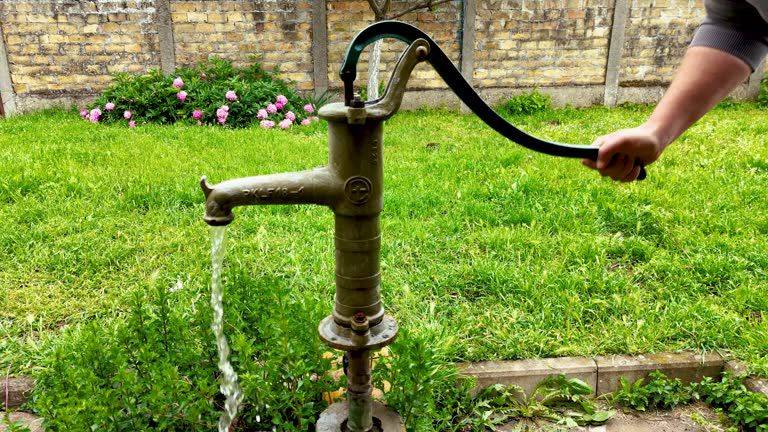
  • Pumps frequently run outside optimal electricity pricing windows, causing significant energy cost losses across the facility.
  • A lack of flexible adaptability to sudden fluctuations in daily domestic or industrial water consumption demand.
  • Incipient mechanical faults within motors or pump shafts remain undetected, leading to unexpected shutdowns that disrupt the entire transmission network.
Digital Twin Model

Deploying AI in Pumping Station Operations

01

Automated Energy Optimization Algorithms

Electricity expenditures for high-capacity motor systems represent a major portion of a water plant's operating budget. AI algorithms continuously cross-reference peak/off-peak electricity tariffs against load demand forecasts to schedule pump group operation during lowest-cost intervals, while maintaining stable pressure along the main pipelines.
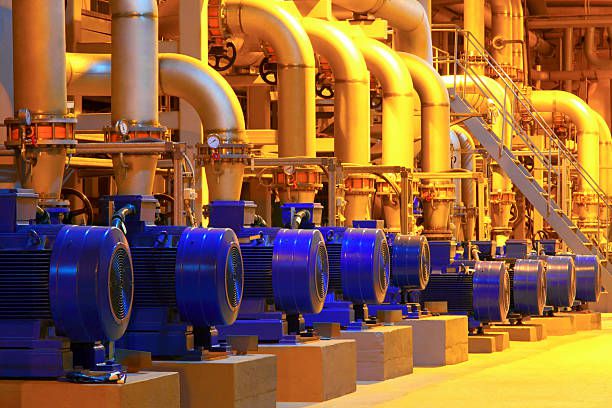
Electricity costs for motor systems
02

Predictive Maintenance Mechanism

Instead of waiting for equipment failure before repair or relying on wasteful routine maintenance, the AI system continuously monitors vibration frequencies, bearing temperatures, and current intensity. This technology identifies early signs of mechanical wear 2 to 3 weeks in advance, enabling engineers to proactively replace components during scheduled maintenance windows.

03

VFD Control to Mitigate Water Hammer Phenomena

Abrupt flow shut-offs generate pressure surges (water hammer), posing a direct threat to the structural integrity of valves and underground piping. AI regulates Variable Frequency Drives (VFDs) to automatically adjust motor rotational speed according to actual hydraulic curves, ensuring perfectly smooth pressure ramping and deceleration.

Security Alert
Cybersecurity Provisioning: Connecting pumping station control systems to digital platforms requires robust, multi-layered firewall architecture to completely prevent external network intrusion risks.

Field Data: The Critical Foundation of AI Algorithms

Data Principle "Garbage In - Garbage Out" and Input Sensors

1. Precise Flow & Pressure Measurement

To ensure accurate AI decision-making, field hardware across pumping stations must deliver continuous, highly accurate flow and pressure readings. Facilities can integrate EMIN water testing and analysis instruments to guarantee the reliability of collected operational data.

2. Periodic Sensor Calibration

Measurement sensors operating continuously in humid environments are prone to fouling and signal drift. Performing periodic water meter calibration at EMIN is a mandatory technical requirement to ensure the "AI brain" consistently operates on reliable foundational data.

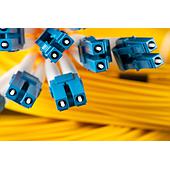
Periodic sensor calibration

Related News

The scent of new wood in a newly handed-over apartment: How to measure and address formaldehyde (HCHO) levels before moving in
11/14/2026 10:28:19

Many people refer to the pungent, acrid odor that emerges when opening a new cabinet as the "smell of new wood," assuming it will simply dissipate after a few days. In reality, however, what is being released could well be formaldehyde—a substance originating from the adhesives used in the pressed-wood panels—and our sense of smell is not a reliable enough gauge to determine the concentration levels present

Guide to Selecting a TCLP Toxicity Characteristic Leaching Procedure Shaker Configuration in Compliance with QCVN 07:2025/BNNMT and TCVN 9239:2012
11/13/2026 17:23:39

Regulation QCVN 07:2025/BNNMT (replacing QCVN 07:2009/BTNMT and QCVN 50:2013/BTNMT) specifies hazardous waste and sludge thresholds based on leachate concentrations. To ensure that analytical results for heavy metals and organic compounds are accepted during ISO/IEC 17025 or VIMCERTS assessments, laboratories must comply with the Toxicity Characteristic Leaching Procedure (TCLP) specified in TCVN 9239:2012, which is equivalent to US EPA Method 1311

Checking the Temperature of Paint and Coating Surfaces After Curing Using an Infrared Thermometer
11/13/2026 16:11:22

An infrared thermometer allows surface temperature measurement without direct contact, making it suitable for products coming out of curing ovens or surfaces that are difficult to access. However, to ensure reliable results for production quality control, it is important to understand the measurement principle and the factors that affect measurements on painted and coated surfaces.

Crowded Gyms and Yoga Studios: How to Manage Air Quality to Retain Members
11/13/2026 15:07:40

Around 6 or 7 in the evening, the gym becomes packed; the music drowns out the sound of heavy breathing, and the air conditioning runs at full blast behind closed doors. At first glance, everything seems fine: the room is cool, the lights are bright, and the equipment is state-of-the-art. Yet, after just a few sessions, regular members begin to feel a heavy-headedness and find themselves running out of breath more quickly eventually, they simply stop renewing their memberships. No one complains about the personal trainers or the exercise machines. The very thing that makes them feel stifled and drives them away is something entirely invisible: the air inside the room

Stay Updated with Offers

Get exclusive volume discounts, bulk pricing updates, and new product alerts delivered directly to your inbox.

By subscribing, you agree to our Terms of Service and Privacy Policy.

Quick Support

Direct access to our certified experts