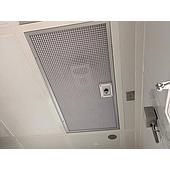
Decoding differential pressure parameters according to EU GMP Annex 1 and ISO 14644 standards, interpreting HEPA filter/AHU clogging levels, and applying error calculation formulas to select precise measurement ranges for project handover
Decoding differential pressure parameters according to EU GMP Annex 1 and ISO 14644 standards, interpreting HEPA filter/AHU clogging levels, and applying error calculation formulas to select precise measurement ranges for project handover
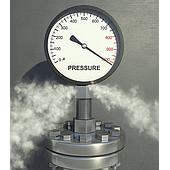
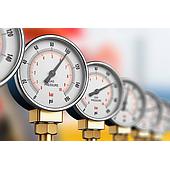
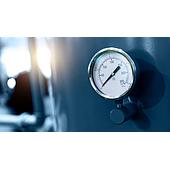
Explaining hydraulic phenomena codes, identifying early signs of mechanical failure, and providing guidance on selecting pressure gauges and surge-protection accessories that meet technical standards for industrial systems

In chemical processing plants, wastewater treatment facilities, oil & gas operations, and food production, selecting the wrong material for a pressure gauge often leads to severe consequences: Bourdon tube failure, toxic chemical leaks, equipment breakdown, and serious occupational safety hazards. This article provides practical technical criteria for selecting the correct case and sensor materials when measuring pressure in corrosive environments.

The global energy transition trend is driving industrial plants, chemical facilities, and renewable energy sites to integrate hydrogen as a strategic fuel source to achieve decarbonization goals. However, practical experience shows that traditional mechanical pressure gauges rapidly degrade in service life and experience dangerous failures when in direct contact with hydrogen environments.

In semiconductor cleanrooms, a single microscopic dust particle or a tiny toxic gas leak is enough to ruin an entire wafer batch worth millions of dollars. This vital requirement is accelerating a complete transition from traditional mechanical pressure gauges to digital pressure sensors and electronic pressure gauges.

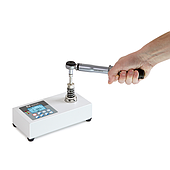
Reliable torque control combines application-appropriate tools, scheduled calibration, preventive maintenance, and routine testing to manage fastening consistency.

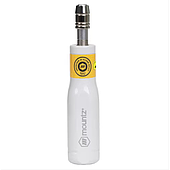
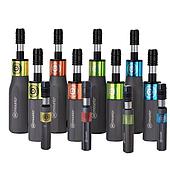
ESD-safe torque screwdrivers combine electrostatic-discharge control with controlled fastener tightening. They are useful when assembling circuit boards, microprocessors, sensors, and other static-sensitive electronic components.

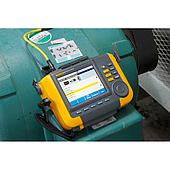
Loosening or wear never happens overnight; it always stems from minor degradations over time. If the maintenance team waits until mechanical noise is emitted or bearings overheat before intervening, the production line already faces the risk of unexpected downtime and massive repair costs.

Effective bolted-joint tightening depends on calibrated torque control, torque values informed by joint testing, and a tightening sequence that distributes preload evenly. Washer fit, flange fasteners, gasket relaxation, and embedding also affect preload retention.

Preset torque screwdrivers support fixed, tamper-resistant settings, while adjustable models provide an external scale for changing torque requirements.
Get exclusive volume discounts, bulk pricing updates, and new product alerts delivered directly to your inbox.
By subscribing, you agree to our Terms of Service and Privacy Policy.
Direct access to our certified experts