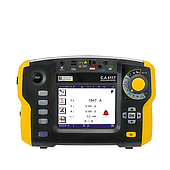
This article provides in-depth knowledge on how to evaluate battery health and introduces professional testing solutions to help optimize performance.
Why Do Electric Vehicle Batteries Lose Capacity Quickly?
Battery degradation is not only caused by long-term usage but also by various external factors. A typical electric motorbike battery pack consists of 4 to 6 batteries connected in series. If just one cell encounters issues such as plate sulfation or electrolyte depletion the performance of the entire system is negatively affected.
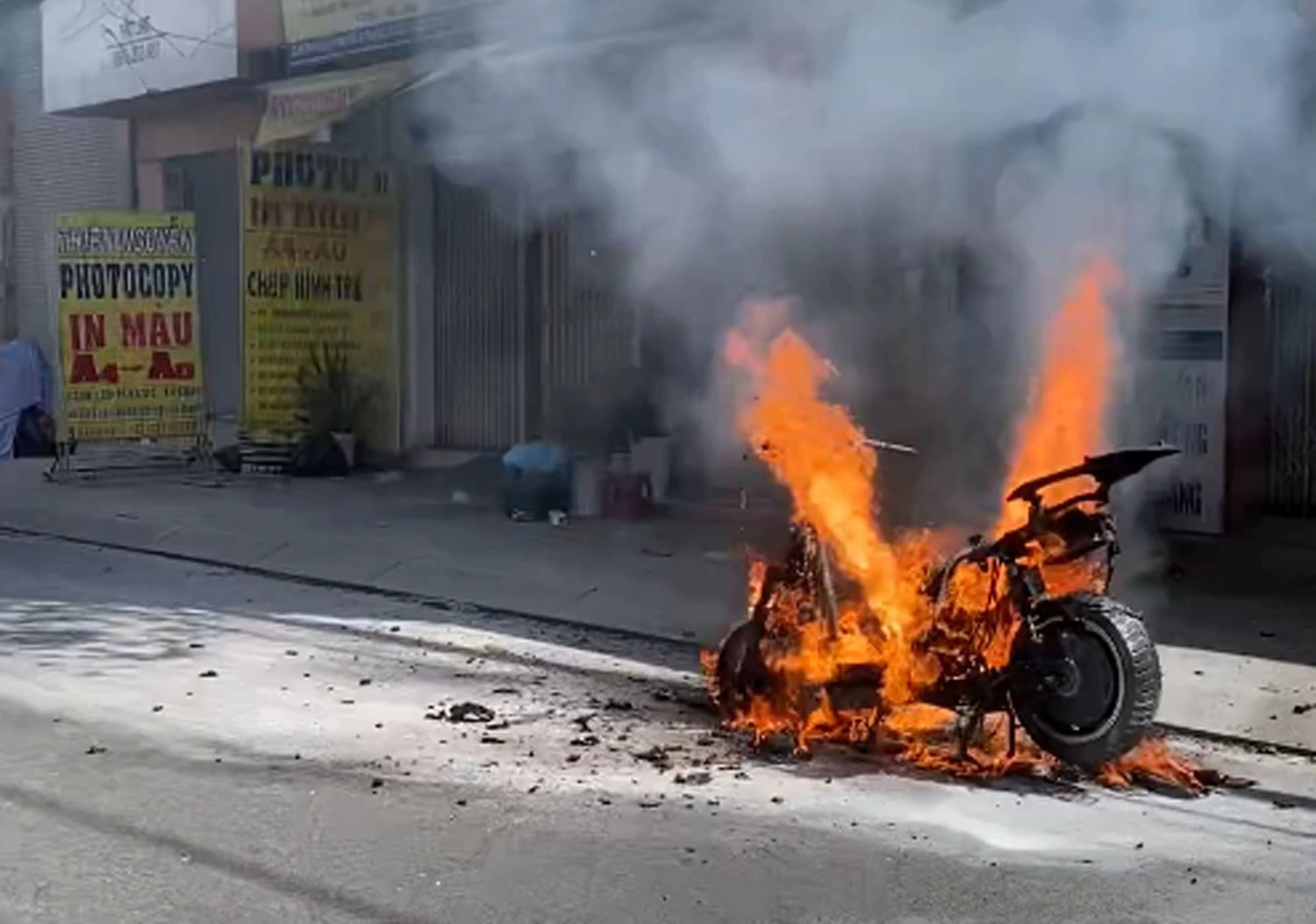
Common causes of battery degradation:
- Frequently allowing the battery level to drop below 20% before recharging accelerates chemical reactions that damage internal plates.
- Operating in high-temperature or harsh environments increases internal resistance, causing overheating and swelling.
- Using low-quality chargers or charging immediately after long rides while the battery is still hot this is the leading cause of reduced battery lifespan.
Signs That Your Electric Vehicle Battery Needs Replacement
You shouldn’t wait until the vehicle completely stops working. Here are three early warning signs:
- Significant drop in driving range: If your vehicle used to travel 80 km per charge but now only reaches 40–50 km, the battery pack likely has issues.
- Abnormal charging time: Degraded batteries may show a “false full” condition charging in just 1–2 hours but discharging quickly during use.
- Voltage drop under load: When climbing hills or accelerating, a sharp voltage drop indicates high internal resistance.
To accurately assess the State of Health (SOH), it is recommended to use specialized battery testing equipment rather than relying on estimation.
The Role of Internal Resistance in Battery Evaluation
Many users rely on multimeters to check battery voltage. However, a full voltage reading does not necessarily mean the battery is in good condition.
The key parameter is internal resistance (mΩ). A new battery has very low internal resistance, allowing efficient current flow. As the battery ages, internal resistance increases, restricting current flow, generating heat, and reducing actual capacity.
Periodic testing with professional equipment helps you quickly identify which battery in a set is faulty, allowing for individual replacement and avoiding the cost of discarding an entire set of 5–6 batteries. You can refer to EMIN’s battery testing equipment catalog to choose models that best suit your needs and budget.
Choosing the Right Testing Solution at EMIN
For electric vehicle service and repair businesses, investing in accurate testing tools helps:
- Improve repair accuracy and speed
- Build trust with customers
- Make data-driven decisions instead of guesswork
Rather than estimating battery condition, technicians can rely on internal resistance and actual capacity measurements to determine whether replacement is necessary.
When selecting measurement devices such as internal resistance testers or capacity testers, you should prioritize authorized distributors that provide genuine products with full calibration documentation. Get in touch with EMIN’s team of experts today to find the most effective and intelligent energy measurement solutions. We offer a wide range of testing solutions from compact handheld devices to advanced capacity analysis systems from reputable brands such as Chauvin Arnoux, Hioki, Fluke, and iKam, suitable for manufacturing plants, trading businesses, and repair services.
Checking your electric vehicle battery regularly not only ensures safer rides but also helps reduce maintenance costs. Don’t let power issues disrupt your journey.