Some ordering mistakes only show up once the equipment has arrived at the factory: the plasma power source will not ignite, the connectors do not match the electrical cabinet, or it cannot communicate with the PLC already in use. Each time, that means weeks waiting for an exchange and a production line standing still. The 5 groups of parameters below help engineers and purchasing teams review an order before confirming it.
1. Output power and tolerance to reflected power
Every process needs a different level of energy, so check that the source's adjustable power range covers your working level, including if the process changes later. For direct RF applications where the load varies a lot, also ask for the maximum reflected power the source can withstand, because this is the parameter that protects the generator when the load changes suddenly.
2. RF operating frequency
Frequency affects ion density and how the plasma interacts with the materials in the chamber. Some sources operate in the kHz range and others in the MHz range, and your process chamber is usually compatible with only one of the two. Check the frequency your chamber or process requires instead of looking only at power.
3. Standalone RF source or remote plasma source
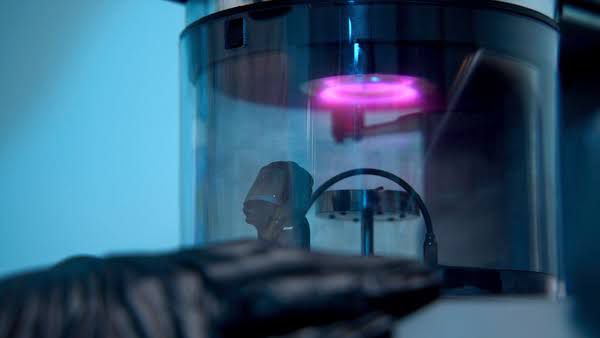
This is a structural question, and answering it wrongly means choosing the wrong type of equipment altogether. An RF generator supplies energy to an industrial system that needs tightly controlled output. A remote plasma source (RPS) generates plasma in a separate chamber and then feeds activated gas into the main chamber, typically used for chamber cleaning, reactive etching, or reactive deposition. For RPS lines, also check the list of process gases the manufacturer allows and the ignition conditions, because an RPS is only reliable when used with the gases and pressures approved by the manufacturer.
4. Input power and connectors
High-power sources typically use three-phase power. Check the voltage range, number of phases, maximum current, protective circuit breaker, and connector standard, then compare them with the factory electrical cabinet. This is the easiest item to overlook because it sits outside the technology itself, but a mistake here means the unit cannot be installed.
5. Control interface and cooling
In an automated line, the source must be synchronized with the PLC or host controller. Confirm the communication standard your existing control cabinet supports, such as analog signals or a serial port, and that the equipment you buy uses the same standard. For cooling, check the water flow rate, water connector size, and allowed ambient temperature, because many high-power sources must be water-cooled.
Quick reference table of selected models at EMIN
| Model | Type | Power range | Frequency |
|---|---|---|---|
| Advanced Energy Litmas RPS LB-3001 | Remote plasma source | 100 to 3000 W | About 1.7 to 3.0 MHz |
| Advanced Energy PDX 5000 | RF plasma generator | 100 to 5000 W | 330 to 460 kHz |
| Advanced Energy Xstream 10kW | Remote plasma source | 1000 to 10000 W | Per system configuration |
| MKS RPS-CM12P1-P12C | Remote plasma source | 12 kW | 400 kHz |
These are specifications from the manufacturer's documentation. You should verify them against the latest datasheet for each model before ordering.
100 – 5000 WQuick view ›Advanced EnergyLitmas RPS LB-3001Remote plasma source (RPS)
100 – 3000 WQuick view ›Advanced EnergyXstream 10kWRemote plasma source (RPS)
1000 – 10000 WQuick view ›MKS InstrumentsRPS-CM12P1-P12CRemote plasma source (RPS)
12 kWQuick view ›
How to avoid ordering the wrong configuration
The safest approach is to send your supplier the five groups of information above for your existing system: chamber type, power range, required frequency, factory power supply, and control standard, and let an engineer match them against the models. At EMIN, the products in our plasma power source range are supplied genuine, with a warranty policy and technical support. Contact us by hotline or email for configuration advice and a quotation.
Contact EMIN by hotline or email, together with the five groups of information about your existing system.
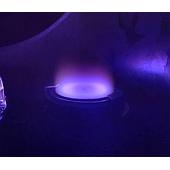
An RF generator that supplies energy to industrial systems requiring tight control of the output.
Specifications per manufacturer documentation. Please verify against the latest datasheet for the model before ordering.
A remote plasma source that generates plasma in a separate chamber and feeds activated gas into the main chamber, typically used for chamber cleaning, reactive etching, or reactive deposition.
Specifications per manufacturer documentation. Please verify against the latest datasheet for the model before ordering.
A high-power remote plasma source that feeds activated gas into the main chamber for chamber cleaning, reactive etching, or reactive deposition.
Specifications per manufacturer documentation. Please verify against the latest datasheet for the model before ordering.
A remote plasma source from MKS's RPS line, used for chamber cleaning, reactive etching, or reactive deposition.
Specifications per manufacturer documentation. Please verify against the latest datasheet for the model before ordering.
- Existing chamber type
- Required power range
- Required frequency
- Factory power supply
- Control interface of your existing cabinet
The button below opens a ready-made email with all 5 items for you to fill in.