What is a micro scale?
Small scales are designed to be compact so that they can easily measure items with very small weights. This device often appears in industries such as gold and silver scales, pharmaceuticals, chemicals, or food processing, where meticulousness and detail are required. There are many types of weighing scales, from electronic, mechanical to digital, each suitable for different needs. For example, electronic scales are quick, mechanical scales are suitable when there is no power source, and digital scales are easy to use with the ability to store results..
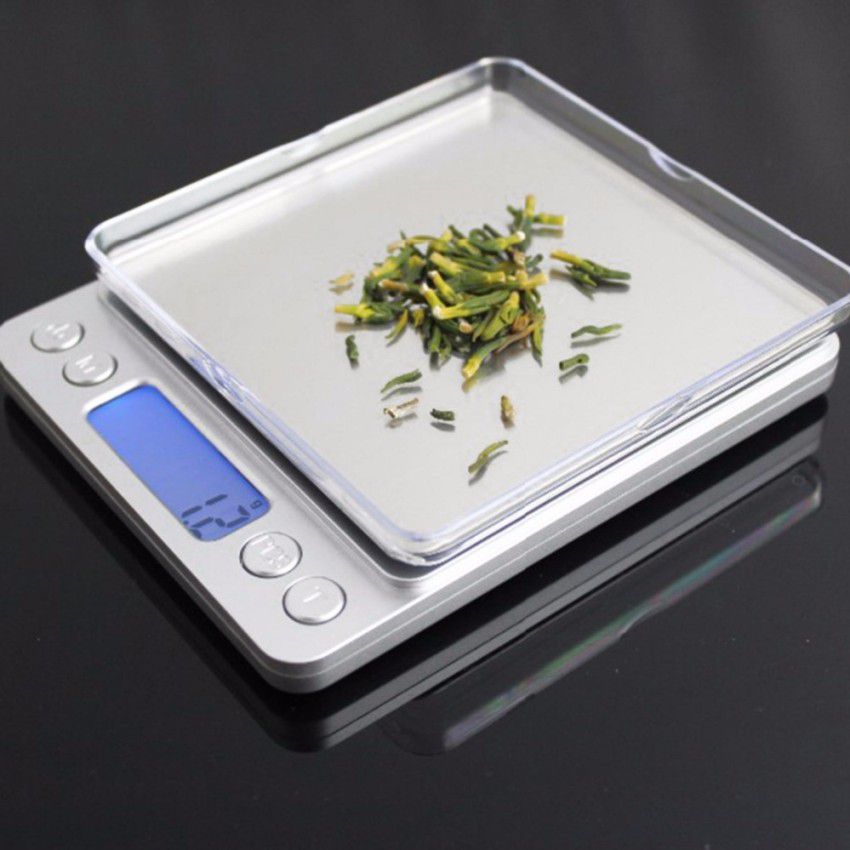
Details on how to use the scale
Proper use of a scale helps ensure stable measurement results, especially in jobs that require meticulousness such as mixing, research, or production.
Step 1: Check the battery if using an electronic scale, ensure there is enough power for the scale to operate stably. Then, place the scale on a flat and sturdy surface to avoid affecting the measurement results. If the scale has a calibration function, do this before use to optimize accuracy.
Step 2: To use the scale, first turn on the power with the On/Off button, then select the appropriate measurement unit such as grams, milligrams, or ounces with the Unit or Mode button. Place the object to be measured on the scale and wait for the results to display stably on the screen. If you need to measure actual weight without tare, use the tare feature by placing the container on the scale, pressing the Tare or Zero button, and then adding the item to be measured to display the exact weight.
Step 3: integrate advanced features such as counting and parameter settings. With the counting feature, you can easily determine the quantity of small uniform items, like seeds or screws, without having to measure each one individually. The setting function allows customizing parameters such as maximum weight, error threshold, or choosing other measurement units, flexibly meeting the needs of use in many fields.
To ensure long-term use of the scale and ensure accurate results, avoid placing too heavy or inconsistent objects on the scale, as this may cause damage. Clean the scale regularly with a soft cloth, do not use harsh chemicals to avoid damaging the screen and scale surface. In addition, store the scale in a cool, dry place, avoiding exposure to high humidity to maintain stable performance.
Common applications of micro scales
Electronic scales play an important role in many areas of life, from cooking and beauty to research and animal husbandry.
In cooking, the device identifies small ingredients such as spices or powders very accurately, ensuring the perfect ratio for a dish or drink. Thanks to that, chefs can easily create quality products, consistently and according to requirements, contributing to improving efficiency and creativity at work.
Microscales are also widely used in the beauty field, especially in the preparation of natural cosmetics such as lotion, shower gel, or essential oils. Accurate measurement of ingredients such as essential oils and herbal extracts ensures quality and safety for users.
Before buying a small scale, what should you keep in mind?
Besides, in scientific research, medicine and animal husbandry, microscales play an important role. In laboratories, microscales help accurately measure drug, chemical, or laboratory samples, thereby ensuring research results. In livestock farming, this device supports measuring samples in the laboratory, contributing to quality control and animal health.
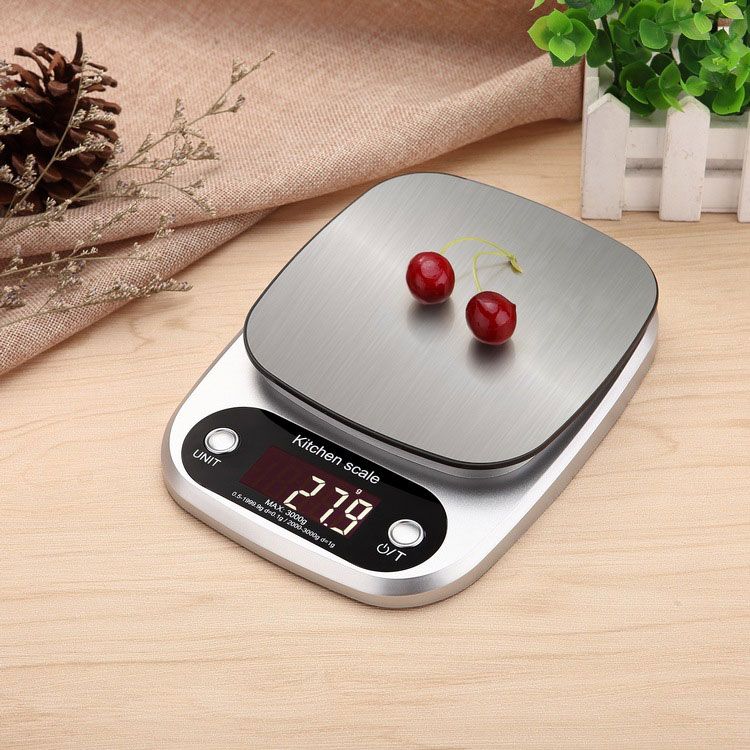
When choosing a scale, you need to keep in mind some important criteria to ensure efficiency and accuracy during use. First, accuracy is a factor that needs to be given top priority. A quality small scale must have a small error, usually ranging from 0.01g to 0.1g, to help accurately measure small items such as spices, chemicals or jewelry.
The next criterion is measurement range. Depending on your needs, you can choose a scale capable of measuring from a few grams to a few kilograms. Make sure the scale fits the measurement range you need. The function of the scale is also very important, especially with modern electronic scales. Features such as tare, counting or data storage will bring convenience and save time when used.
Finally, don't forget to check the brand of the product. Reputable brands with clear origins will ensure the quality and durability of the scale, giving you peace of mind for long-term use.