EMIN will help you answer that question, and I will also reveal to you a few "secrets" to use gas detectors most effectively, avoiding unfortunate mistakes that many people often make.
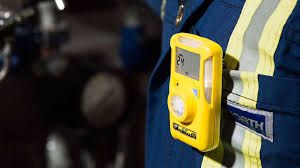
When are gas detectors used?
The gas detector can be applied to many different working environments thanks to its versatility. Below are a few situations where gas detectors need to be used
Chemical factory

Are chemical factories the "battlefield" for toxic gases such as ammonia, chlorine or volatile organic compounds (VOCs)? These gases often leave unpredictable dangers. Therefore, using a gas detector helps closely monitor the level of toxic substances, ensuring safety for you and those around you working in this environment.
Mine
Imagine you are working in a dark, damp mine. Not only do you face dangers from limestone, you also have to face "invisible enemies" such as methane and carbon monoxide. They can be anywhere, causing terrible explosions or suffocating you. The gas detector will now illuminate, helping you detect methane and carbon monoxide levels, minimizing the risk of fire and explosion and protecting your own life.
Construction works
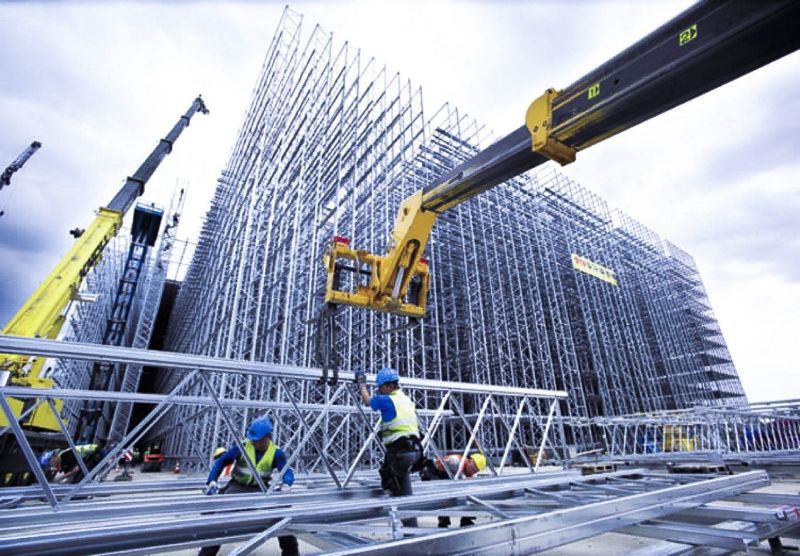
In construction projects, especially closed and poorly ventilated areas, the risk of accumulating CO gas from diesel engine equipment or methane gas from pipelines is very high. Gas detectors will help detect these toxic gases early, protecting the health and safety of workers.
Drainage and wastewater treatment system
During wastewater treatment, hydrogen sulfide gas is often produced and can cause poisoning if not controlled. The gas detector will help detect and warn early about the presence of H2S gas, helping the system operate stably.
Laboratory
In the laboratory, working with chemicals can produce many toxic gases. Gas detectors will monitor air quality, protect the health of scientists and ensure experiments are conducted safely.
Related articles:
In what cases should a fixed gas meter be used?
Characteristics of fixed gas detectors
Why is it necessary to use a toxic gas detector in underground sewers?
Mistakes are often made when using gas detectors
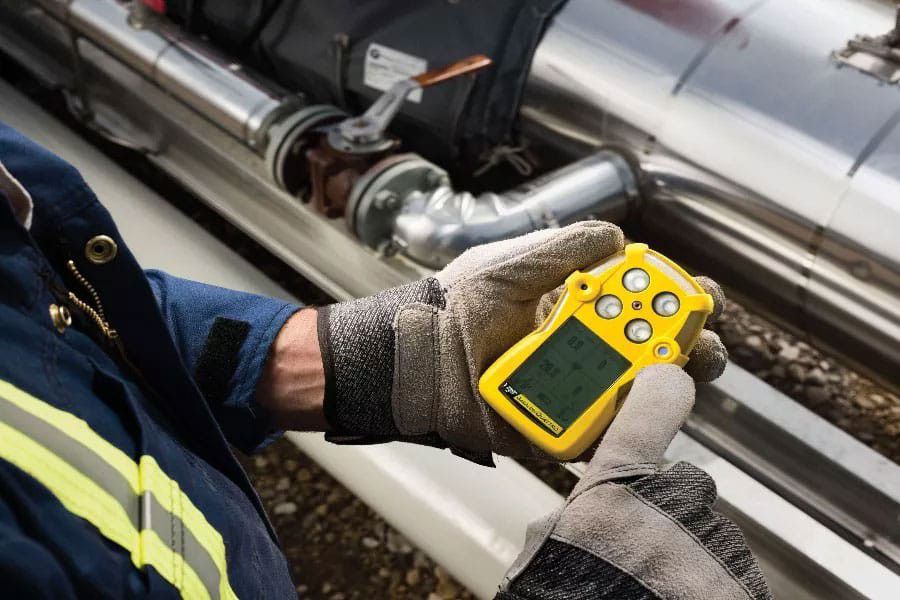
Using gas detectors to work in the above environments is absolutely necessary and recommended to avoid unnecessary negative effects. However, many people still make some common mistakes when using this device, affecting the accuracy and effectiveness of the monitoring process. Here are some common mistakes and how to fix them:
- Forgetting the calibration schedule is probably the most common mistake. Just like a clock needs to be adjusted regularly to give accurate results, a gas detector also needs to be calibrated to ensure the measured data is always stable and accurate.
- Many people have the habit of turning on the gas detector and using it immediately without checking to see if the device is working normally or not. This has a huge potential risk, because if the gas detector has a problem without your knowledge, you will not be warned when a gas leak occurs.
- Choosing a gas detector haphazardly: Choosing a gas detector that is not suitable for the type of gas to be detected or the working environment conditions is also a common mistake. Just like you can't use a ruler to measure your weight, using the wrong type of gas detector will lead to inaccurate results.
So how to fix it?
- Make a clear calibration schedule: Remember the gas detector's calibration schedule and follow the manufacturer's instructions exactly.
- Check regularly: Before use, take a few minutes to check the function of the gas detector by performing a quick test (bump test).
- Choose the right type of machine: Learn carefully about the types of gases to detect and the working environment conditions to choose the most suitable gas detector.
Can a gas detector detect different types of gases at the same time?
With the ability to simultaneously detect many different gases such as oxygen (O₂), carbon monoxide (CO), hydrogen sulfide (H₂S), methane (CH₄) and many others, the multi-function gas detector helps you see Overview of air quality, thereby providing timely preventive measures.
Advantage:
- Minimize time and effort compared to using multiple single devices.
- Investing in a multi-function gas detector is often more economical than buying multiple single-function gas detectors.
- Many multi-function gas detectors have a friendly, easy-to-use interface, making it easy for users to operate and read results.
- Many lines of multi-function gas detectors have compact designs, convenient to carry when traveling.
Conclude:
Above are all my shares about mistakes when using gas detectors and how to fix them. If you are interested in genuine, quality, affordable gas detector products, come to EMIN immediately - we specialize in providing gas detector products from Senko, Testo, Extech, Kimo. For any information, please contact directly via the website or EMIN fanpage for advice and quotes as soon as possible!