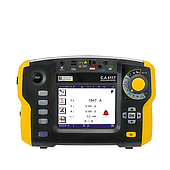
Understanding Key Parameters in a 3-Phase System
Before placing the probes, it’s important to clearly distinguish between two types of voltage:
Line Voltage: The voltage between two phase wires (L1-L2, L2-L3, L3-L1). In Vietnam, this is typically 380V or 400V.
Phase Voltage: The voltage between a phase wire and the neutral wire (L-N), typically 220V.
Correctly identifying these values helps you select the appropriate measurement range and avoid overload that could damage the meter.
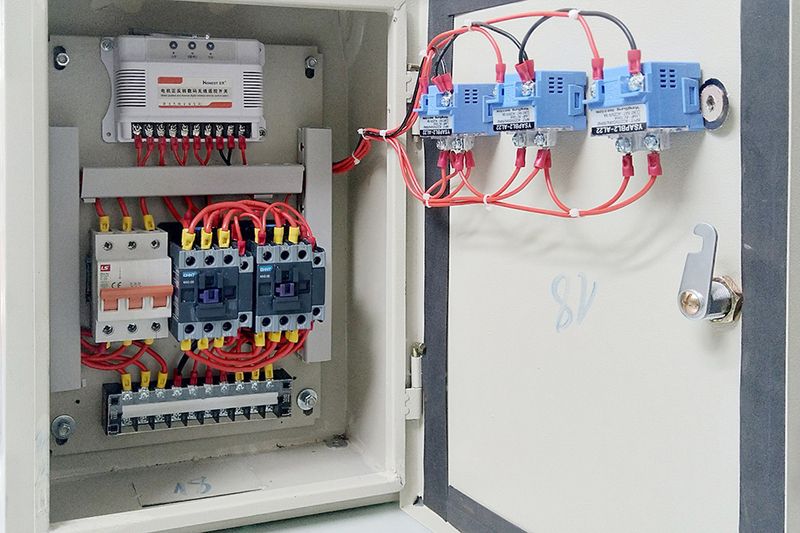
Prepare a Multimeter That Meets Industrial Standards
3-phase electricity carries high energy, so low-cost, unverified meters should be avoided. When choosing a multimeter, pay attention to:
Safety rating: Minimum CAT III 600V or CAT IV to protect against transient voltage spikes.
True RMS capability: Essential in environments with inverters and motors, as it filters harmonic distortion and provides accurate real-world readings.
If you don’t yet have a compliant device, you can refer to EMIN’s product catalog to choose a model that fits your needs and budget.
4-Step Procedure to Safely Measure 3-Phase Power
Step 1: Check the Meter (Zero Check)
Before measuring live voltage, touch the two probes together in continuity mode to ensure the leads are intact. Then switch to AC voltage mode (V~).
Step 2: Measure Line Voltage (Check Phase Balance)
Place the probes between:
L1 – L2
L2 – L3
L3 – L1
If all three readings are approximately equal (around 380V – 415V), the system is well-balanced.
If one pair shows significantly lower voltage, the system may have phase imbalance or localized voltage drop—this indicates a fault.
Step 3: Measure Phase Voltage (Check Neutral Wire)
Place one probe on a phase and the other on the neutral (N).
Expected result: ~220V
If the value is too high or too low, the neutral may be faulty or disconnected—this is extremely dangerous for single-phase equipment connected to the system.
Step 4: Check Leakage to Ground (Earthing Test)
Place one probe on a phase and the other on the electrical cabinet or grounding point.
If voltage is detected → the system is leaking current and must be fixed immediately.
Frequently Asked Questions About 3-Phase Measurement
1. Why does my meter show 400V instead of 380V between two phases?
This is normal. 380V is the nominal voltage, but actual values typically fluctuate between 380V – 415V depending on load and distance from the transformer. A reading of 400V indicates stable operation.
2. Can I use an analog multimeter to measure 3-phase power?
Yes, but it is not recommended.
Analog meters usually have lower safety ratings and are harder to read accurately at high voltage levels. For safety, you should use digital multimeters with auto-ranging and at least CAT III rating.
3. How can I detect a “neutral loss” using a multimeter?
When measuring phase-to-neutral voltage:
One phase rises abnormally (300V – 380V)
Others drop significantly
This indicates a neutral fault, which can immediately damage all single-phase equipment in the system.
4. Does probe polarity matter when measuring 3-phase voltage?
For AC measurements, probe order (red/black) does not affect the reading.
However, to check phase sequence (motor rotation direction), you need a dedicated phase rotation tester—standard multimeters cannot do this.
5. Which multimeter should I choose for industrial 3-phase measurement?
You should choose models with True RMS to eliminate harmonic noise from inverters.
Consider reliable brands such as: Hioki, Kyoritsu, Fluke
These brands offer durable and accurate solutions for industrial environments.
Today, dedicated 3-phase measurement devices are widely available from reputable manufacturers, with a variety of models and price ranges.
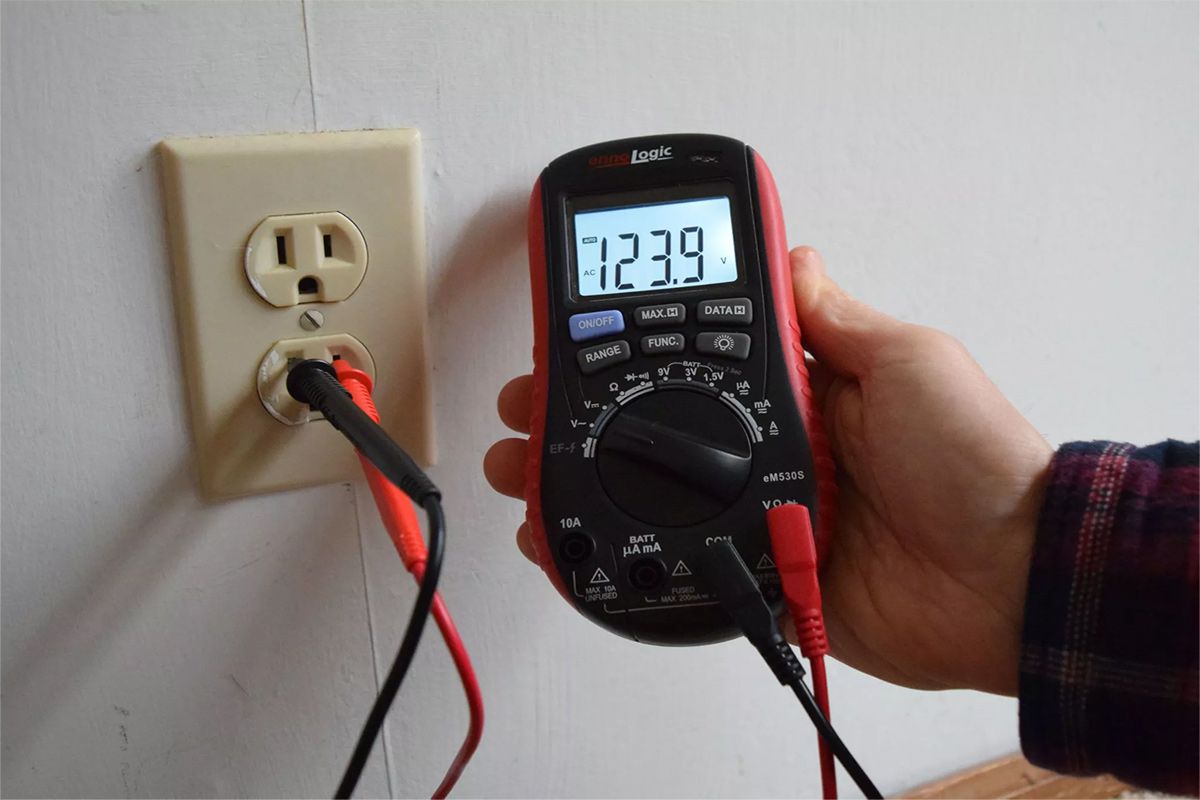
Depending on your budget, you can choose the most suitable option in terms of performance and cost. However, don’t forget the importance of periodic calibration services to ensure your equipment always operates at peak accuracy and reliability.