
04/16/2026 16:18:41
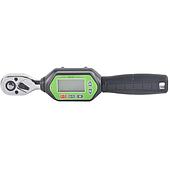
When choosing a torque wrench, many users often prioritize factors such as price, measuring range, or brand. In reality, many inexpensive torque wrenches currently available adequately meet basic needs, especially in household or semi-professional repair work. The important thing is to choose the right product for the intended use, rather than forcus on price.
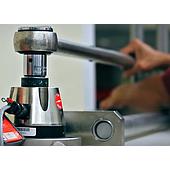
When selecting and using a torque wrench, most users tend to focus on the measurement range, brand, or price. However, real-world operation shows that a less obvious factor often plays a decisive role in both performance and cost: torque error. This type of deviation is not easy to detect, yet it is a silent contributor behind many technical issues—from minor vibrations to serious system failures
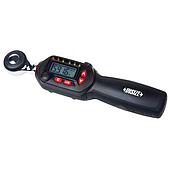
Using the correct bolt torque chart according to size and torque wrench not only ensures the durability of the connection but is also a core element in quality control. In the context of increasingly demanding technical requirements, tightening torque is no longer a matter of manual measurement, but has become a technical parameter that needs to be tightly controlled.
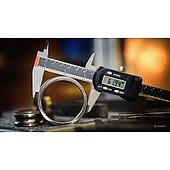
A caliper is a tool that almost every mechanic needs to have in their bag for measuring small parts or workpieces. Electronic, dial, or mechanical calipers can all accurately measure four types of measurements: external, internal, depth, and step
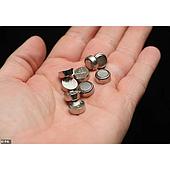
Unlike traditional mechanical calipers, electronic calipers process data through a circuit system and LCD screen. While offering convenience and fast reading speeds, the device is entirely dependent on its internal power source. If the screen starts to dim, displays random numbers, or stops displaying altogether, it's time to replace the caliper battery.
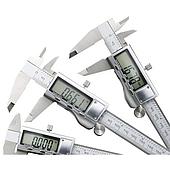
150mm and 200mm calipers are two common sizes, found in almost every mechanical toolkit. The 50mm difference may seem insignificant, but in practice it significantly affects the measuring range and ease of use
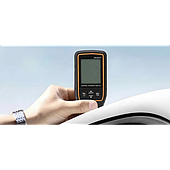
The display not showing data is causing delays in the surface inspection process, making it difficult to approve the coating. Understanding the cause allows you to proactively address the issue on-site, avoiding work disruptions and protecting the sensor components.
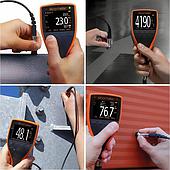
Knowing how to use and maintain a material thickness gauge will help you obtain accurate measurements, and the device will last a long time without worrying about malfunctions or inaccuracies.
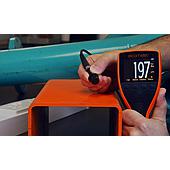
The top-rated Elcometer paint thickness gauges of 2026 help accurately determine the surface coating parameters of both magnetic and non-magnetic metals. These devices play a crucial role in shipyards, mechanical factories, and zinc plating quality inspection units.
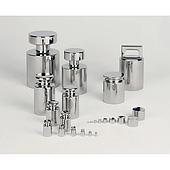
In many places where electronic scales are used, such as laboratories, manufacturing plants, or measurement centers, a standard object with a specific mass is often needed to place on the scale and compare it to the displayed value. This is where standard weights are used.
Get exclusive volume discounts, bulk pricing updates, and new product alerts delivered directly to your inbox.
By subscribing, you agree to our Terms of Service and Privacy Policy.