For full functionality of this site it is necessary to enable JavaScript.
EMINKH.COM
0

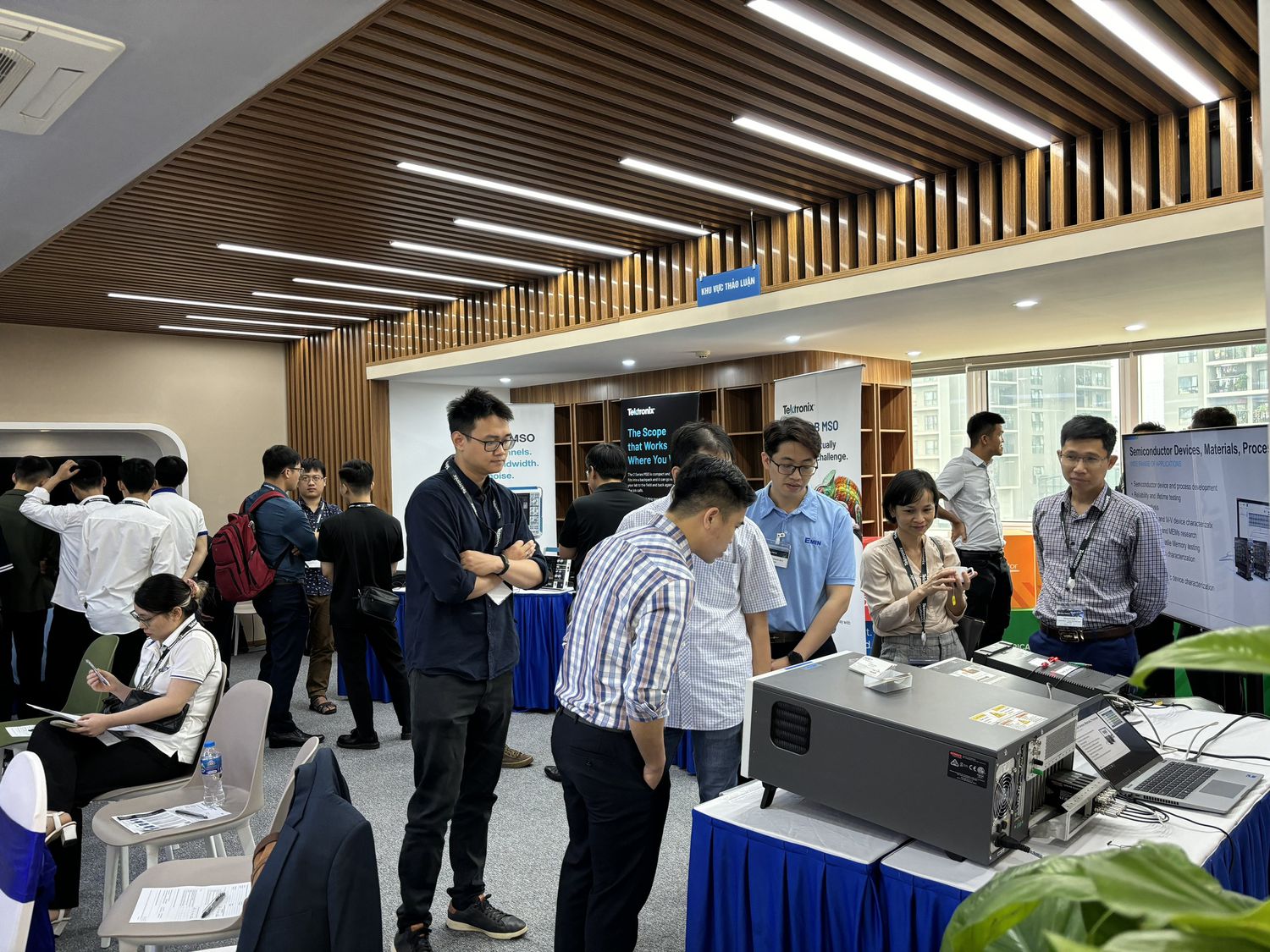
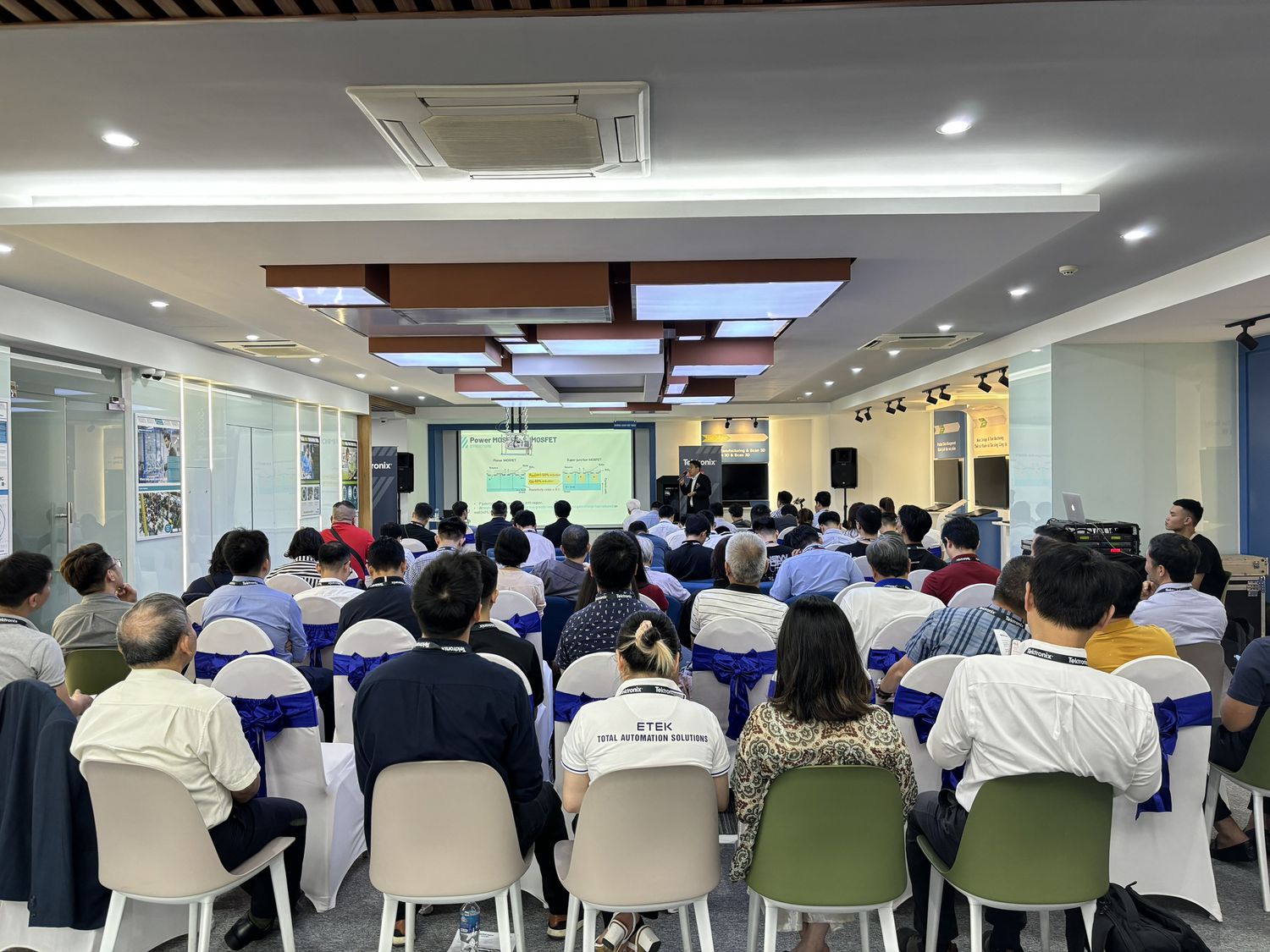
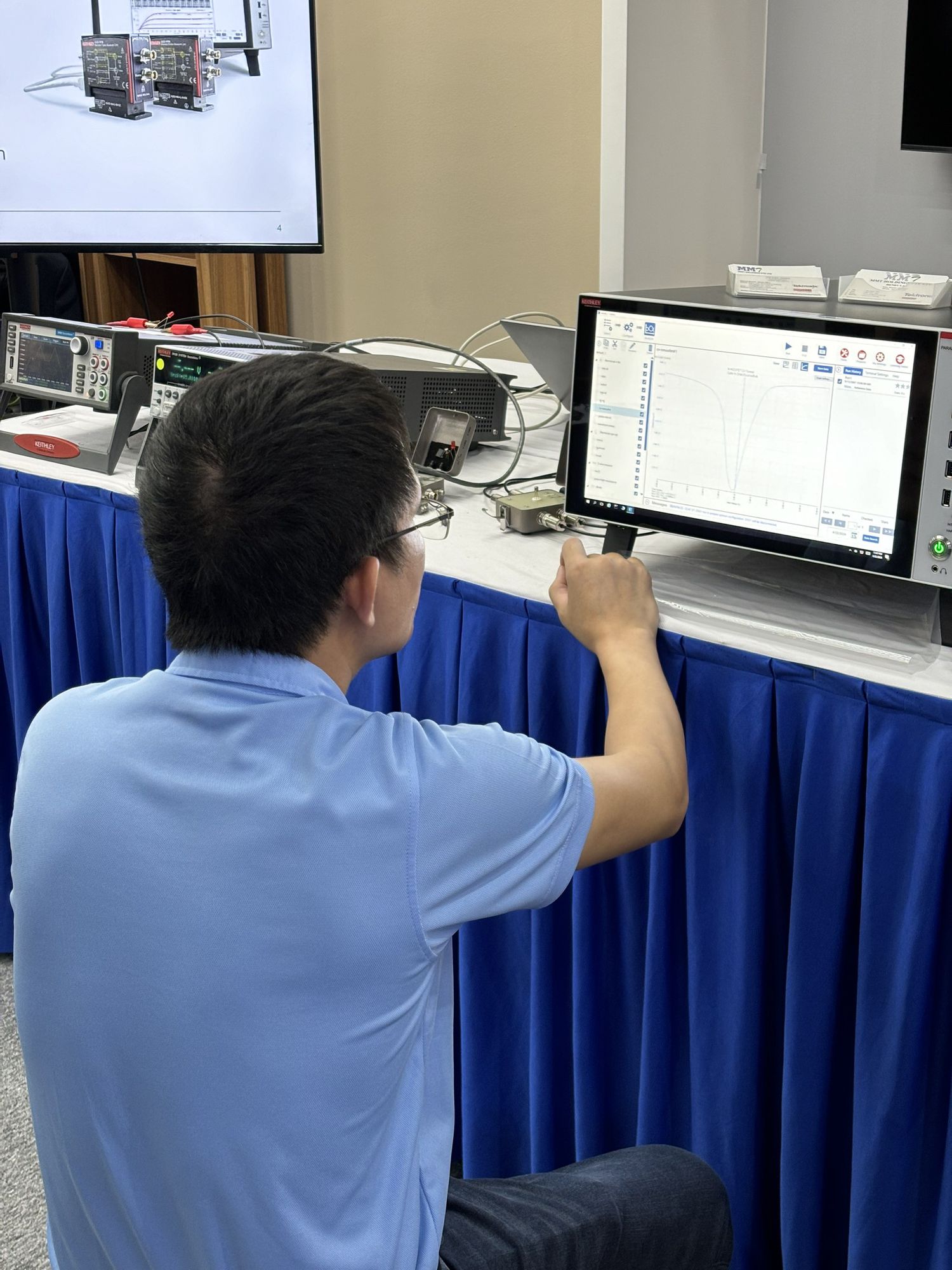
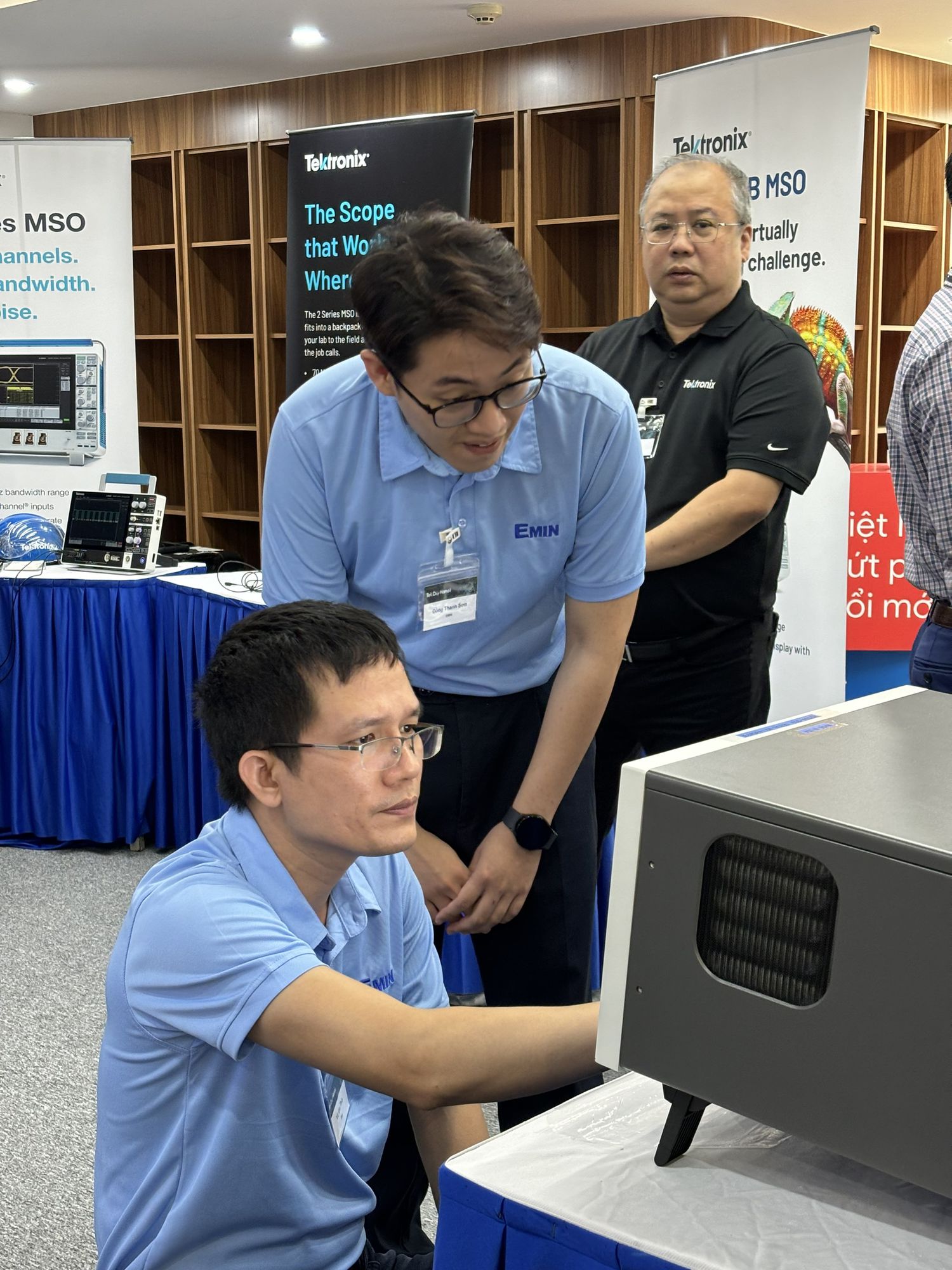
EMIN supports Tektronix at TekDay 2024.

04/03/2024 15:14:13

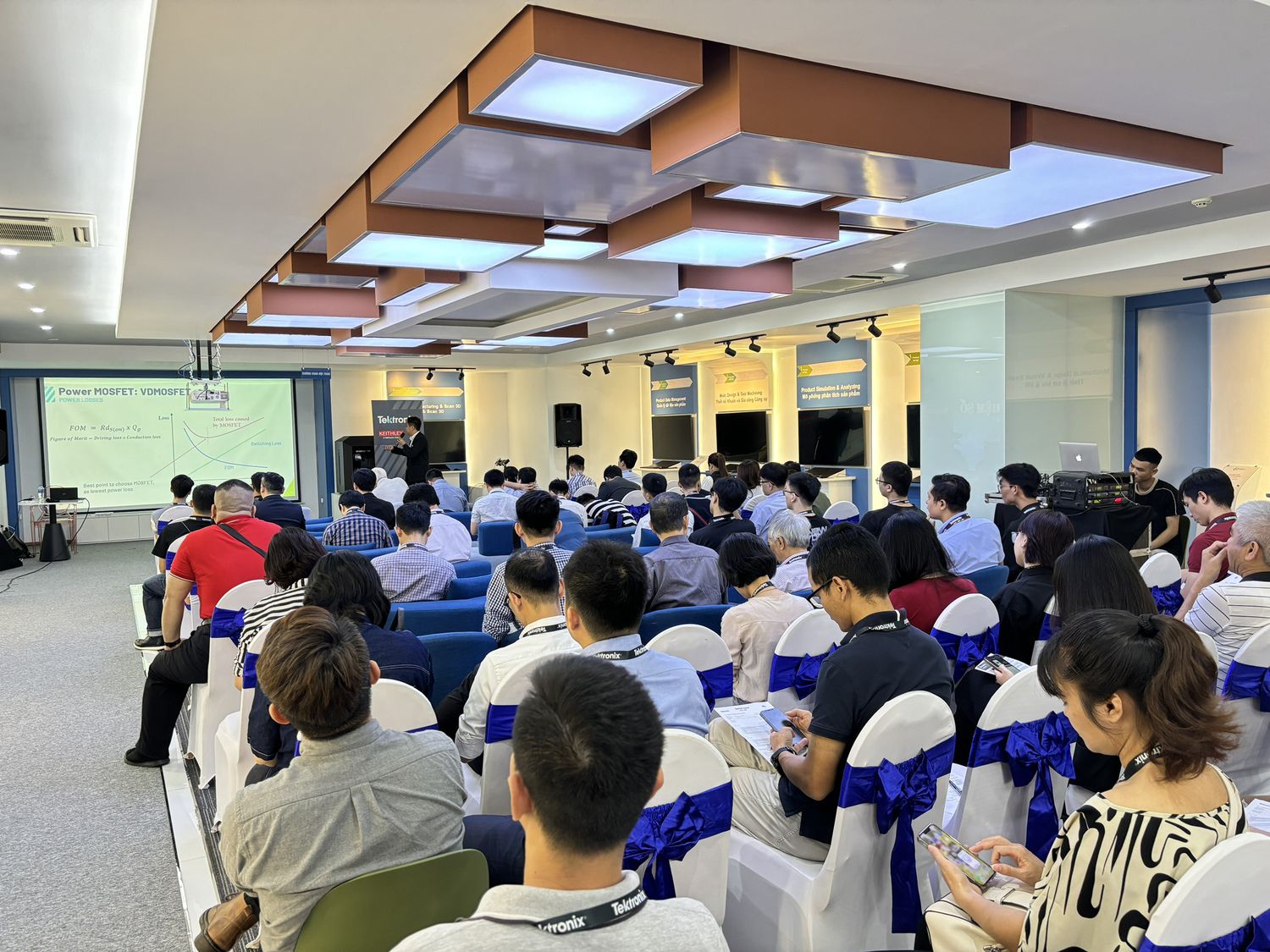
The TEKDAY 2024 HANOI event by TEKTRONIX will take place on April 23, 2024, at the 6th Floor, NIC Building Hanoi.

At this event, you will have the opportunity to meet and directly engage with top experts from TEKTRONIX, providing you/your partners with the chance to experience and gain a deeper understanding of TEKTRONIX's advanced technology products and solutions.

Unlock the potential of next-generation semiconductor technology.

The electronics and semiconductor market is witnessing a transformative shift driven by innovations in Artificial Intelligence, mobile technology, and Green Energy. Artificial Intelligence has emerged as a dominant trend, with AI integration into devices such as laptops and smartphones becoming commonplace. This has opened up new opportunities in developing smart applications, high-speed data communication, and enhancing energy efficiency.

In the semiconductor industry, power electronics is becoming the fastest-growing and most robust sector. This new technology is being widely applied in areas such as electric vehicles, energy storage applications, and flying taxi projects. The electronics industry focuses on efficiently generating, transmitting, and consuming energy, with particular emphasis on developing new semiconductor materials such as Silicon Carbide and Gallium Nitride.

Tektronix is a leading innovator in the Electronic Measurement & Testing industry, boasting over 80 years of experience and close collaboration with top partners and research institutions. We are committed to fostering innovative advancements by providing essential technologies to serve the industry.

EMIN is honored to be invited to TekDay, a workshop dedicated to researchers, technology experts, and anyone interested in the semiconductor and power electronics industry. Join TEKTRONIX to explore the potential of next-generation semiconductor technology at this event.

Time:

23-04-2024 | Tuesday 9:00 am – 4:30 pm

Location:

6th Floor, NIC Building Hanoi

Alley 7 Ton That Thuyet, Cau Giay District, Hanoi

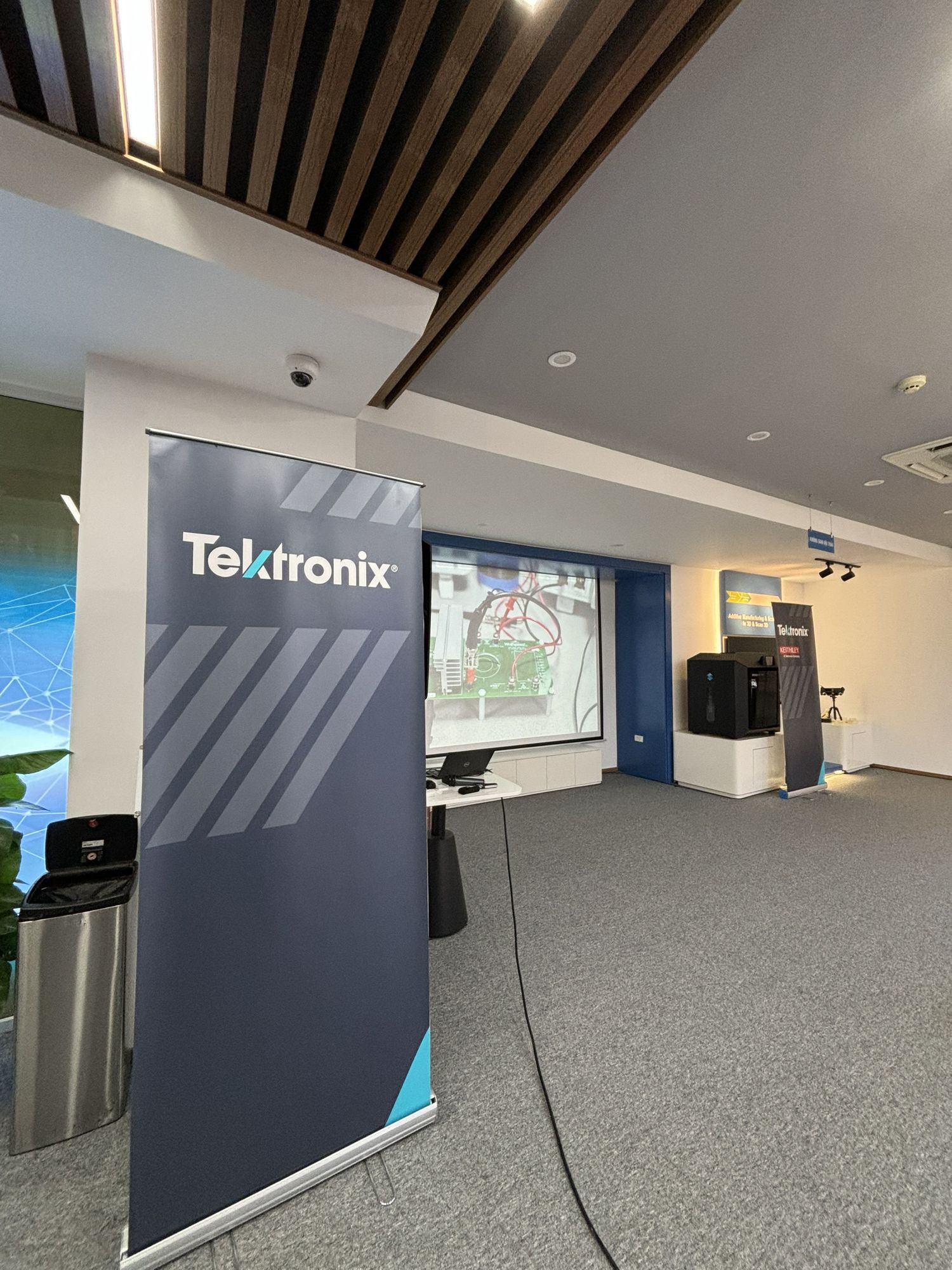
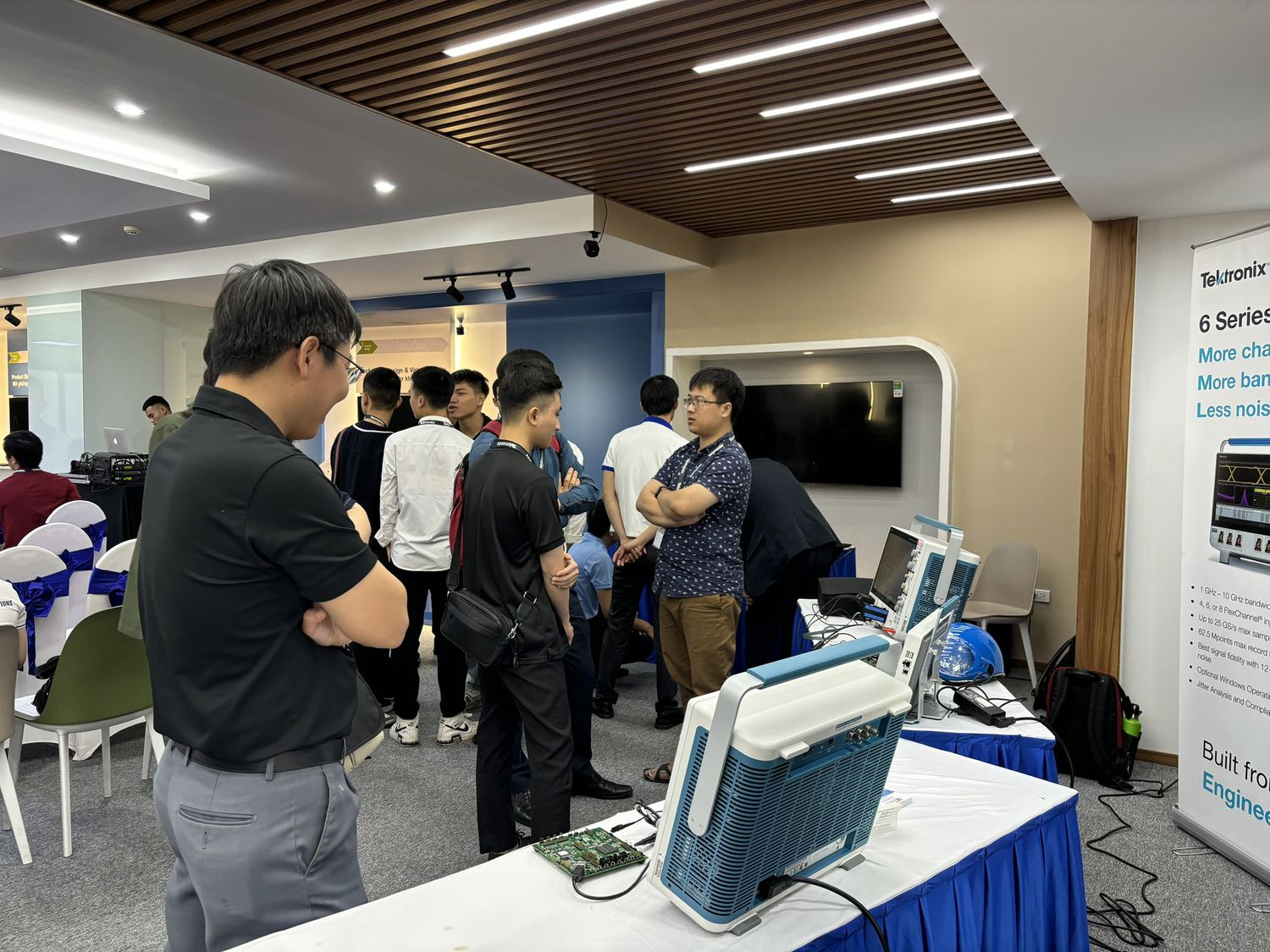
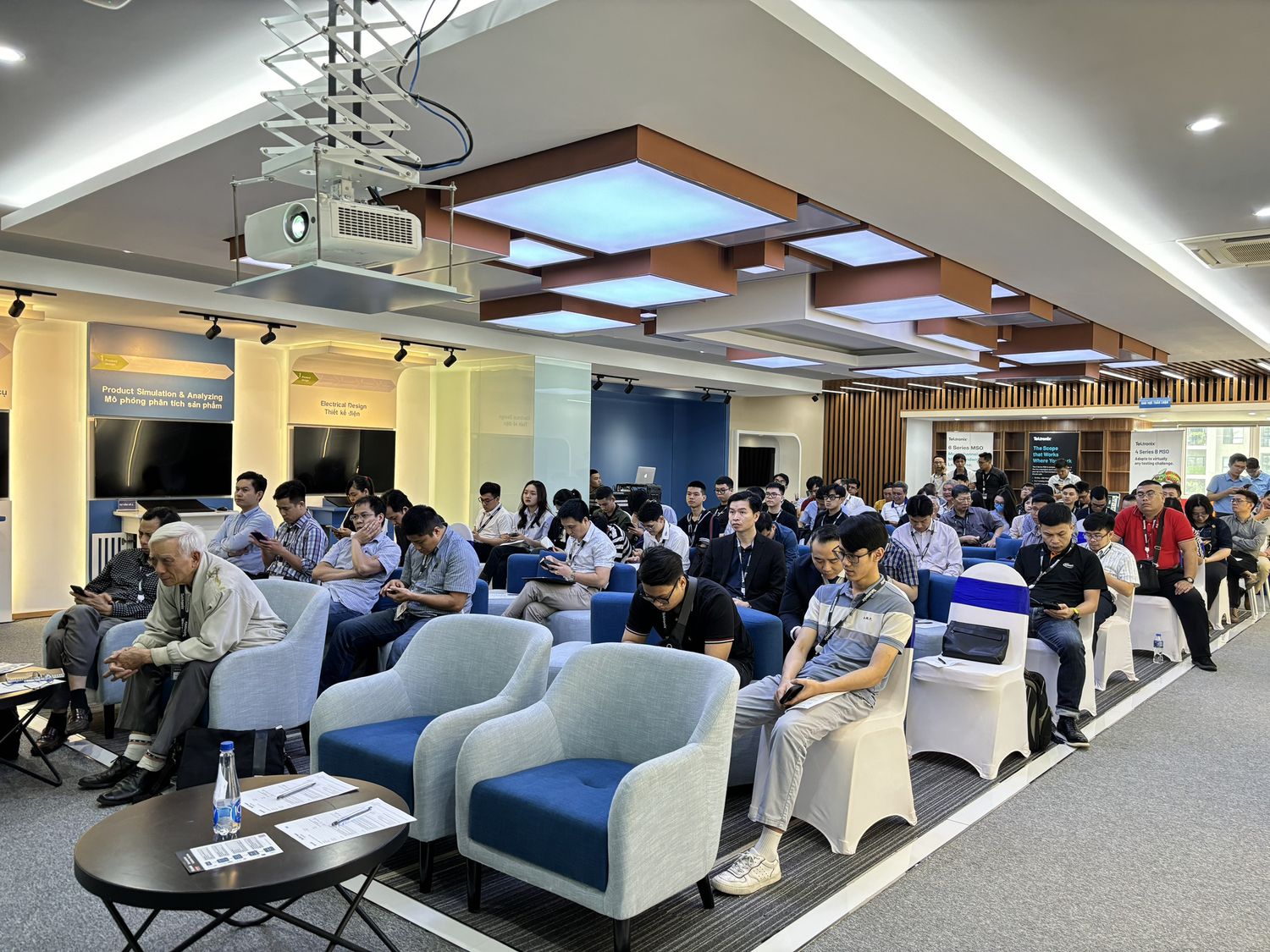
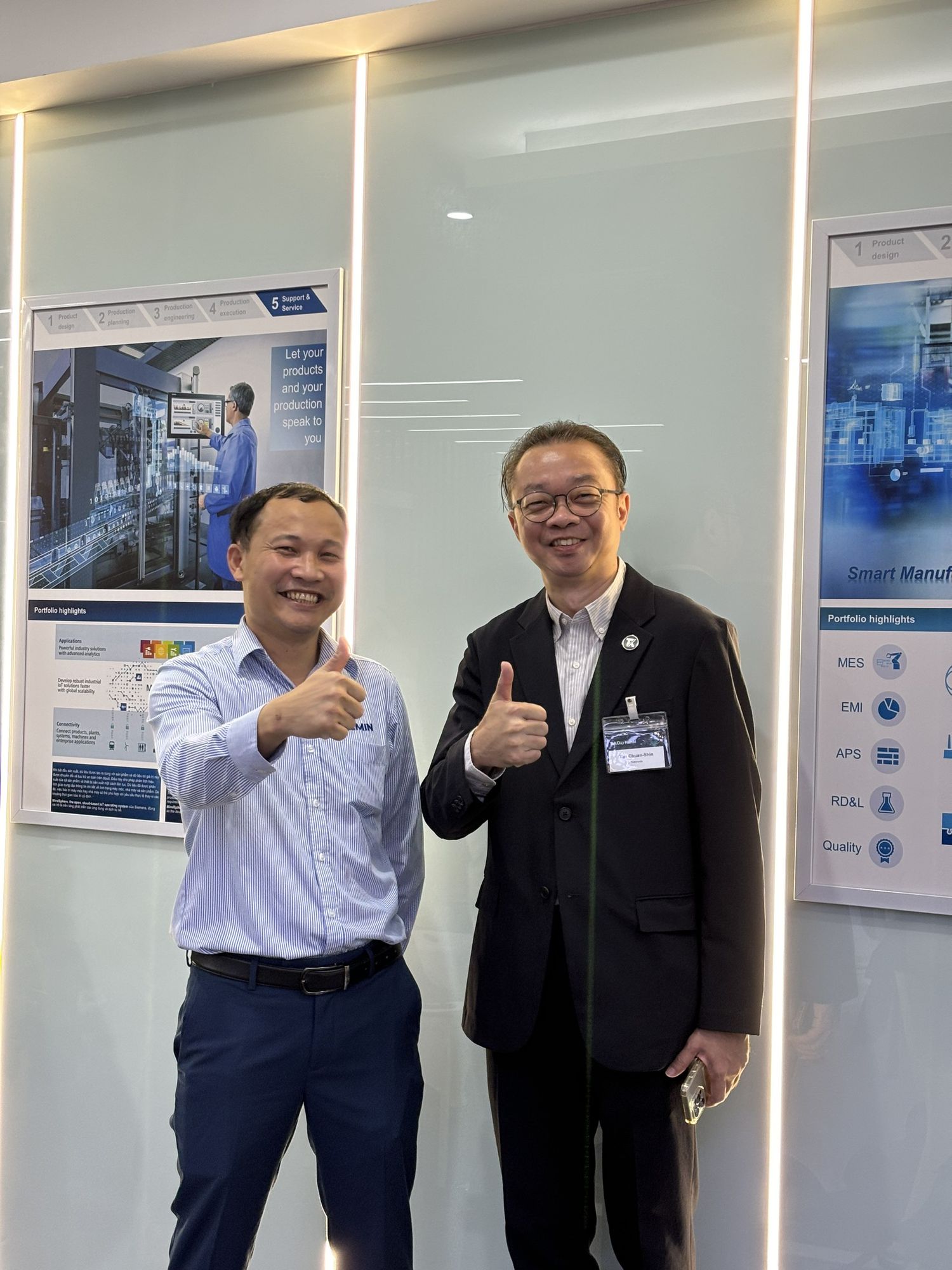
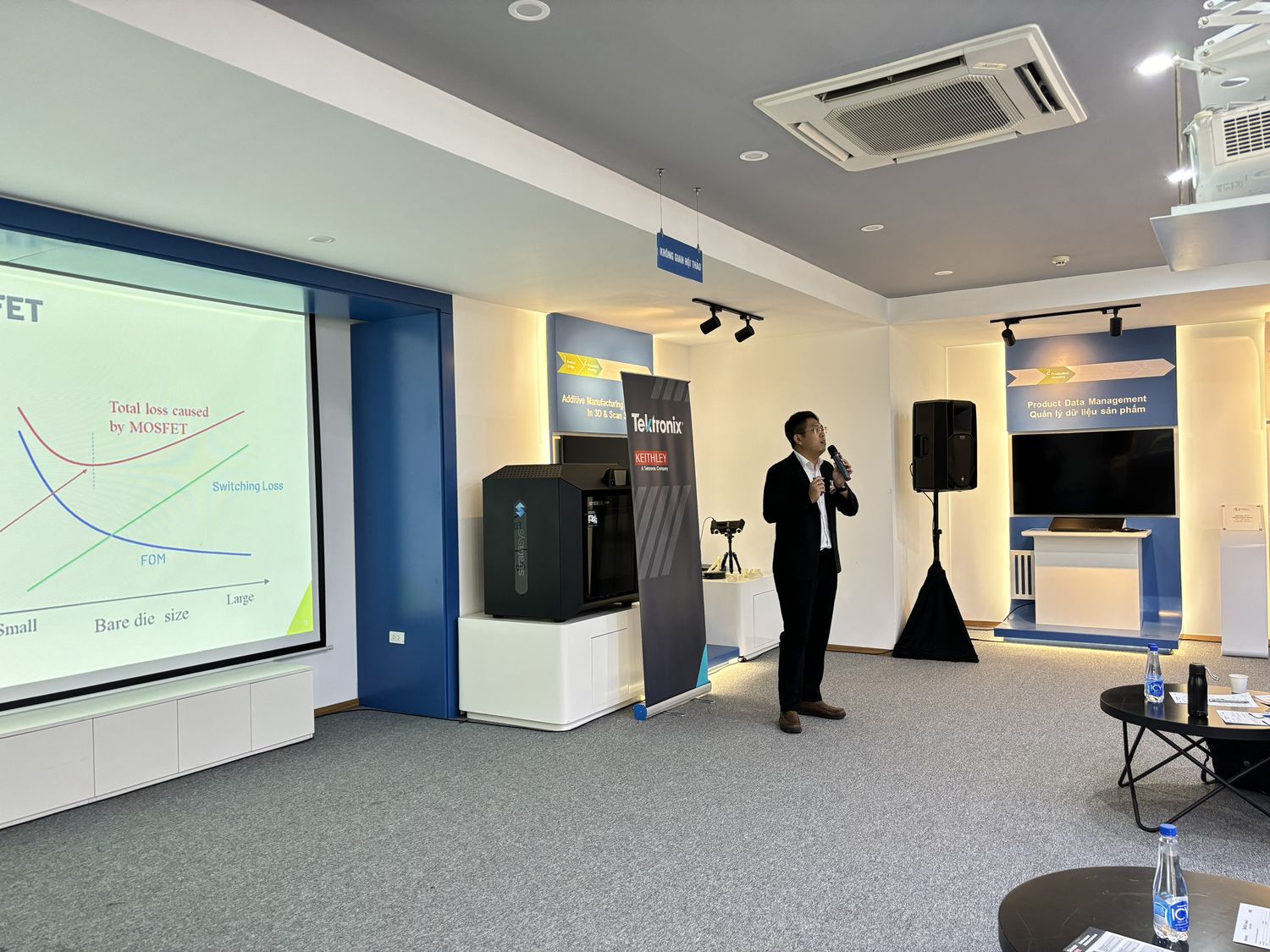
Some pictures taken at the event:
Related News

Which products are tested using a -40°C to +150°C thermal shock chamber?
07/22/2026 14:45:25

Automotive circuit boards, sensors, modules, and plastic components can all experience issues after repeated transitions between cold and hot environments. A thermal shock chamber operating from -40°C to +150°C enables the replication of these temperature fluctuations under controlled testing conditions.

Does thermal shock cause damage to electronic components?
07/22/2026 10:40:49

An electronic component may operate stably under constant temperature conditions yet fail after repeated rapid transitions between hot and cold. The issue typically stems not from a specific temperature level, but rather from the rate of temperature change and the number of hot-cold cycles

The rigorous standards behind a multi-million-dollar MRI suite
07/21/2026 14:54:01

An MRI system may be correctly installed and fully connected to the power supply, yet still encounter issues if the surrounding environment fails to meet technical specifications. Electromagnetic interference, RF shielding, power quality, grounding, temperature, humidity, and particulate levels are all factors that may require assessment, depending on the facility's design and the manufacturer's requirements.

Sinusoidal and Random Vibration: A Test Setup Guide for Industrial Engineers
07/21/2026 10:30:38

During the operation of industrial machinery or the transportation of goods, persistent mechanical vibrations inevitably occur; these are a primary cause of material fatigue, loosened connections, and cracking in printed circuit boards (PCBs). To ensure product integrity before delivery to customers, R&D and QA/QC engineers must simulate these dynamic forces using vibration test systems.

Capacities of laboratory centrifuge tubes
07/20/2026 13:55:40

Tubes with capacities of 0.2 ml, 1.5 ml, 15 ml, or 50 ml are commonly found in laboratories, yet each type is associated with specific sample categories and equipment configurations. DNA and RNA samples typically require small-volume microtubes; blood and cell samples often utilize 5 ml or 15 ml tubes; while large-volume processing workflows may require tubes of 50 ml, 100 ml, or greater capacity

Stay Updated with Offers

Get exclusive volume discounts, bulk pricing updates, and new product alerts delivered directly to your inbox.

By subscribing, you agree to our Terms of Service and Privacy Policy.

Quick Support

Direct access to our certified experts