
Air Particle Counter Calibration Service
In cleanrooms, HVAC validation, pharmaceutical production, and indoor air quality programs, measurement accuracy directly affects both compliance and decision-making. When an instrument begins to drift, particle data can become difficult to trust, especially in environments where airborne contamination must be controlled and documented. That is why Air Particle Counter Calibration Service plays an important role in maintaining reliable monitoring performance over time.
This category is intended for organizations that use portable or benchtop particle counters as part of routine inspection, environmental monitoring, maintenance, or quality assurance. Whether the equipment is used in manufacturing, laboratories, hospitals, or technical service operations, regular calibration helps confirm that the device continues to measure airborne particles consistently and within expected performance conditions.
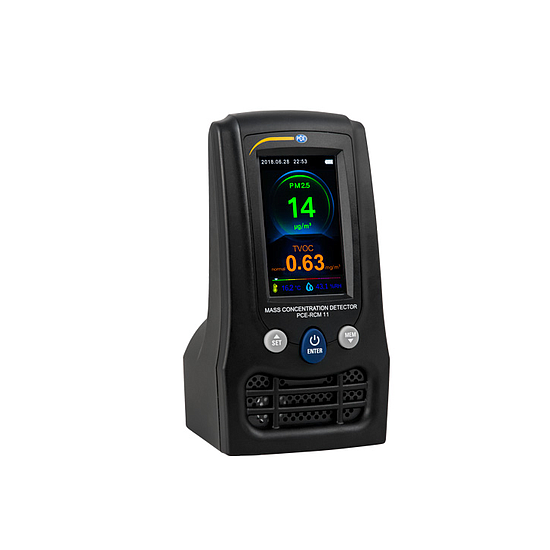
Why calibration matters for air particle counters
Air particle counters are used to detect and quantify suspended particles in the air, supporting contamination control and air quality assessment. Over time, normal use, transport, sensor aging, and environmental exposure can influence instrument response. A proper calibration service helps verify that readings remain dependable for testing, reporting, and process control.
For many users, calibration is not only a maintenance task but also part of a broader quality system. In controlled environments, traceable and periodic verification can help reduce the risk of inaccurate pass/fail judgments, unnecessary troubleshooting, or inconsistent trend data between inspection intervals.
Typical applications and user needs
This service category is relevant for teams working in clean manufacturing, electronics assembly, pharmaceutical facilities, healthcare spaces, research laboratories, and HVAC performance assessment. In these settings, particle counters are often used to check room conditions, evaluate filtration performance, investigate contamination events, or support routine environmental monitoring programs.
Search intent in this category is usually practical: users want to maintain uptime, plan periodic service, and ensure their instruments remain suitable for audit-ready measurement work. If your requirement is broader and also includes dust-specific instruments, you may also review the related dust monitor calibration service category for complementary support.
Supported brands and example services
This category includes calibration options for a wide range of commonly used instruments from established manufacturers. Examples include services for TSI, Beckman, FLUKE, TESTO, Aeroqual, EXTECH, KANOMAX, PCE, HT, and METONE equipment, depending on the device in use and the service requirement.
Representative listings in this category include the TSI Particle Counter Calibration Service, Beckman Particle Counter Calibration Service, TESTO Particle Counter Calibration Service, FLUKE Particle Counter Calibration Service, and METONE Particle Counter Calibration Service. For organizations operating mixed fleets, having access to calibration support across multiple brands can simplify service planning and help standardize maintenance practices across sites.
How to choose the right service for your instrument
The most effective way to select a service is to match the calibration request to the actual instrument type and application. Some users are working specifically with airborne particle counting devices, while others may use dust meters or ambient particulate monitoring equipment. Choosing the correct service category helps avoid delays and ensures the instrument is evaluated in the right technical context.
It is also useful to check the manufacturer and product family before booking service. For example, facilities using Aeroqual instruments for particulate monitoring may need a different service path than users operating handheld particle counters from EXTECH or KANOMAX. If your equipment falls specifically within this product group, you are already in the right place to explore relevant air particle counter calibration options.
Examples of instruments covered in this category
The product range here includes service listings such as Aeroqual Dust Monitoring Device Calibration Service, Kanomax Particle Counter Calibration Service, EXTECH Particle Counter Calibration Service, PCE Particle Counter Calibration Service, and HT Instruments Dust Meter Calibration Service. These examples show that calibration demand often spans both particle counting and closely related particulate measurement devices used in field and facility environments.
Not every instrument serves the same purpose, so the service context matters. A portable particle counter used for cleanroom checks may have different operational priorities than a dust-focused instrument used for environmental assessment. Where needed, users can compare this page with the dedicated air particle counter calibration service listings shown in this category to identify the most suitable option by brand and device type.
Benefits of regular calibration in B2B operations
For industrial and institutional users, regular calibration supports more than measurement accuracy alone. It can improve confidence in environmental reports, support preventive maintenance schedules, and reduce uncertainty when results are used for quality decisions or compliance documentation. In multi-site operations, scheduled service also helps maintain a more consistent measurement baseline across different teams and locations.
Calibration is especially valuable where particle data is used to verify room conditions, validate filtration efficiency, or investigate process deviations. In these cases, dependable readings support faster diagnosis and more efficient corrective action. This makes traceability and recurring service intervals important parts of a wider equipment management strategy.
When to schedule service
Service timing often depends on internal quality procedures, usage frequency, environmental conditions, and any relevant regulatory or customer requirements. Instruments used in controlled production areas or frequent audit environments may require stricter calibration intervals than devices used occasionally for troubleshooting or periodic surveys.
Common reasons to arrange service include annual maintenance cycles, results that appear inconsistent with historical trends, post-repair verification, or preparation for qualification work. If your organization manages several types of particulate instruments, the broader particle counter and dust monitor calibration service context can also help when planning service across multiple device categories.
Choosing a suitable calibration path
Before proceeding, it is helpful to confirm the instrument brand, model family, and measurement purpose so the service request aligns with the equipment in use. This category is especially relevant for users seeking support for air particle counting devices from brands such as TESTO, FLUKE, TSI, Beckman, EXTECH, and KANOMAX, as well as related particulate monitoring equipment from Aeroqual, HT, PCE, and METONE.
A well-matched calibration service helps preserve measurement reliability, supports quality documentation, and keeps critical monitoring tools ready for routine operation. If you are comparing options for a specific instrument, use the product listings in this category to identify the most appropriate service by manufacturer and application.
Get exclusive volume discounts, bulk pricing updates, and new product alerts delivered directly to your inbox.
By subscribing, you agree to our Terms of Service and Privacy Policy.
Direct access to our certified experts
