For full functionality of this site it is necessary to enable JavaScript.
EMINKH.COM
0

Fluke GFL-1500 shortens the time it takes to find ground faults in solar power systems

04/13/2026 11:18:45

Fluke's GFL-1500 helps visually locate ground faults in solar power systems, reducing inspection work and shortening on-site maintenance time

What problems can the GFL-1500 solve?

With conventional testing methods, when a ground fault is suspected, technicians typically have to separate each battery string, measure them sequentially, and eliminate possibilities gradually. This process isn't wrong, but it's time-consuming and prone to interruptions in large systems.

The GFL-1500 is a completely different solution. Instead of splitting the system for testing, the device allows tracing the signal path to directly identify the problem area. This significantly shortens the fault localization time, especially in multi-string systems.
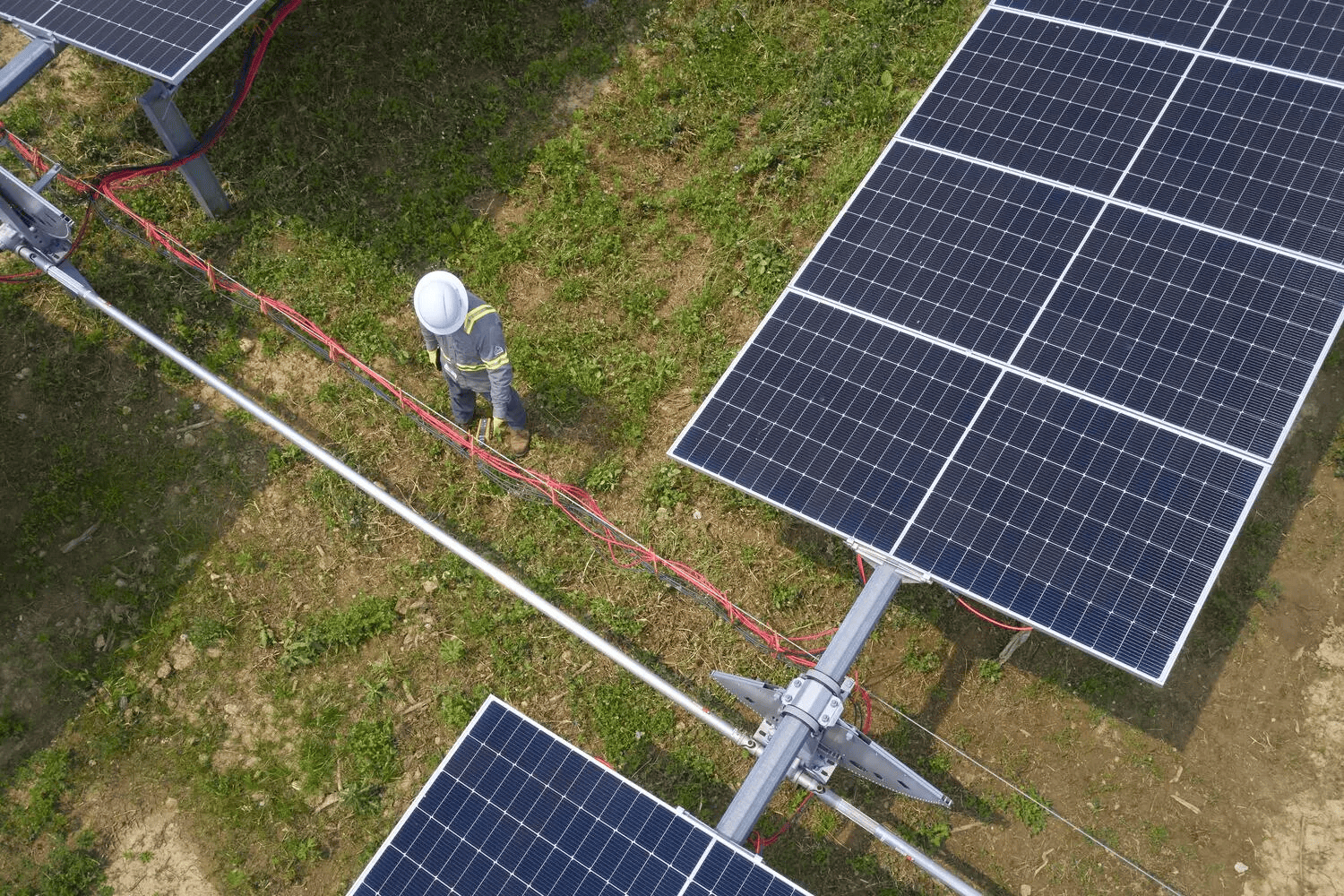
Learn how the device works

The device generates a traceable signal within the system. When a ground fault occurs, the signal changes along its path and is recorded by the receiving device. Users can then monitor this signal to pinpoint the area and location of the fault.

Notably, this process does not require frequent disassembly or disconnection. For systems already in operation, this reduces the impact on overall performance and limits direct contact with live components.

Actual value when implemented in a PV system

When put into use, the GFL-1500 clearly demonstrates its capabilities in three areas:

Reduced fault finding time: no need to check each individual circuit.

Reduced operations: minimizes disassembly and repeated measurements.

Increased safety: less direct contact with high-voltage systems.

For maintenance teams working on multiple sites, shortening each inspection by just a few tens of minutes makes a significant difference over time.

What does the kit include?

At EMIN, a standard GFL-1500 kit from the manufacturer includes:

- Signal transmitter

- Signal receiver

- Tracking pliers

- MC4 test cables and high-rated test cables

The included accessories facilitate connection and operation in the field. This configuration is sufficient for direct testing on most current solar power systems without the need for additional equipment.

When should you use the GFL-1500?

This device is suitable for the following situations:

- System performance degradation with no clear cause

- Suspected electrical leakage or ground fault

- Need for quick testing without prolonged system downtime

- Performing routine maintenance on large-scale systems

Related News

Which products are tested using a -40°C to +150°C thermal shock chamber?
07/22/2026 14:45:25

Automotive circuit boards, sensors, modules, and plastic components can all experience issues after repeated transitions between cold and hot environments. A thermal shock chamber operating from -40°C to +150°C enables the replication of these temperature fluctuations under controlled testing conditions.

Does thermal shock cause damage to electronic components?
07/22/2026 10:40:49

An electronic component may operate stably under constant temperature conditions yet fail after repeated rapid transitions between hot and cold. The issue typically stems not from a specific temperature level, but rather from the rate of temperature change and the number of hot-cold cycles

The rigorous standards behind a multi-million-dollar MRI suite
07/21/2026 14:54:01

An MRI system may be correctly installed and fully connected to the power supply, yet still encounter issues if the surrounding environment fails to meet technical specifications. Electromagnetic interference, RF shielding, power quality, grounding, temperature, humidity, and particulate levels are all factors that may require assessment, depending on the facility's design and the manufacturer's requirements.

Sinusoidal and Random Vibration: A Test Setup Guide for Industrial Engineers
07/21/2026 10:30:38

During the operation of industrial machinery or the transportation of goods, persistent mechanical vibrations inevitably occur; these are a primary cause of material fatigue, loosened connections, and cracking in printed circuit boards (PCBs). To ensure product integrity before delivery to customers, R&D and QA/QC engineers must simulate these dynamic forces using vibration test systems.

Capacities of laboratory centrifuge tubes
07/20/2026 13:55:40

Tubes with capacities of 0.2 ml, 1.5 ml, 15 ml, or 50 ml are commonly found in laboratories, yet each type is associated with specific sample categories and equipment configurations. DNA and RNA samples typically require small-volume microtubes; blood and cell samples often utilize 5 ml or 15 ml tubes; while large-volume processing workflows may require tubes of 50 ml, 100 ml, or greater capacity

Stay Updated with Offers

Get exclusive volume discounts, bulk pricing updates, and new product alerts delivered directly to your inbox.

By subscribing, you agree to our Terms of Service and Privacy Policy.

Quick Support

Direct access to our certified experts