What is inventory and why is it necessary?
Inventory is the process of comparing the actual quantity of goods with the quantity recorded in the system. This is an important step to help stores and businesses grasp the correct inventory status and limit data errors.
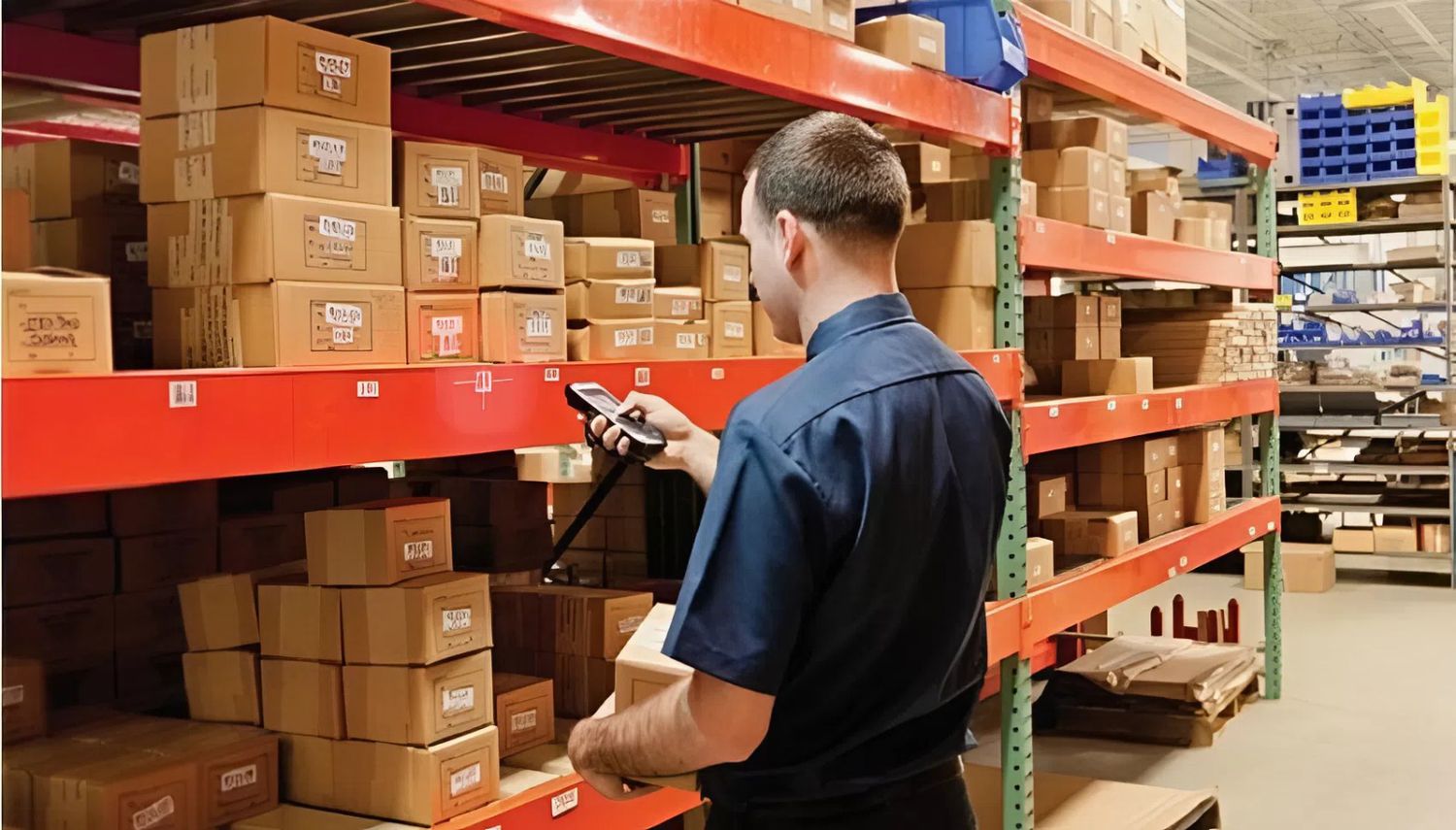
Inventory control brings many practical benefits:
- Error detection: Timely recognition of losses, discrepancies or mistakes in the import - export - sales process.
- More effective inventory management: Providing accurate data for businesses to be proactive in planning import and allocation of goods.
- Ensuring accurate financial reports: When inventory data is correct, financial reports will accurately reflect the operating situation.
Why handheld inventory machines are becoming more and more popular?
Previously, warehouse staff had to rely on manual books or data entry software to track inventory. This method was error-prone and time-consuming. The advent of handheld inventory machines helped automate almost everything, from scanning codes, comparing data to updating real-time data.
Handheld inventory devices are often equipped with barcode and QR code scanning capabilities, touch screens and mobile operating systems. Thanks to that, inventory, import and export, and product information queries are carried out right at the work area. When used properly, businesses can reduce labor, limit losses and shorten processing time.
Increased demand comes from the expansion of retail, logistics, e-commerce, manufacturing and distribution. Larger volumes of goods, faster circulation, forcing businesses to upgrade management technology.
The emergence of big brands in the field of inventory equipment
In the current market, many manufacturers focus on developing inventory control equipment lines that are durable, easy to use and suitable for industrial environments. Among them, Zebra is one of the most mentioned brands thanks to its long-standing experience and rich supporting software ecosystem.
The company's inventory control devices are often durable, resistant to dust, water and breakage in warehouse conditions. Long battery life is also a strong point that helps the device operate continuously during the working shift. New scanning technology helps read dirty, blurred codes or codes displayed on phone screens faster and more accurately.
The accompanying software toolkit makes it easy for businesses to deploy and manage the device, while providing stable connectivity via Wi-Fi, Bluetooth and mobile networks. The friendly Android operating system also facilitates integration with existing inventory and warehouse management systems.
Some new device lines on the market
New models of inventory machines often improve in design and performance. For example, the TC22 and TC27 series are compact in size, feel like smartphones but more durable and equipped with modern connectivity standards. These models are suitable for retail stores or small-scale warehouses.
See the full range of Zebra Inventory Machines in our catalog: https://emin.vn/linh-kien-vat-tu-thiet-bi-van-phong-thiet-bi-in-quet-ma-vach-may-kiem-kho-1016/zebra-731/pc.html
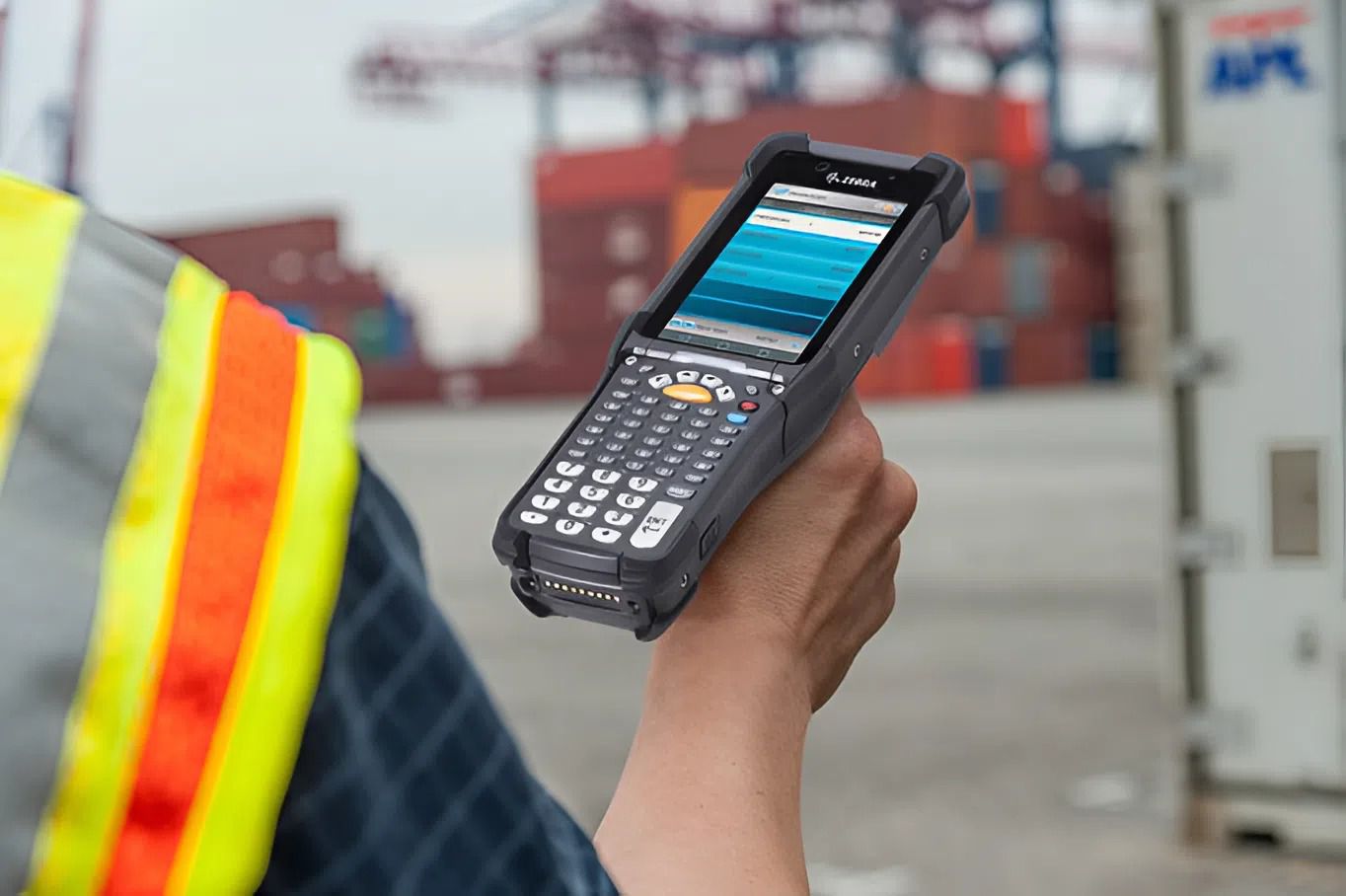
Inventory machines in the digital logistics picture
Nowadays, handheld inventory machines are no longer optional equipment but have become important tools in modern warehouse operations. Investing in the right equipment from the beginning helps businesses better control data, reduce operating costs, increase processing speed and build sustainable competitive advantages.