That is why our specially designed thermostatic baths provide gentle, uniform heating and maintain a stable target temperature over a long period of time. This ensures the safety of the sample and helps users control the process more effectively, especially suitable for applications requiring high precision such as titration, extraction, or enzyme analysis. Let's find out more about how to choose the right equipment for your solution heating needs below.
Here is a more concise, shortened version, focusing on the 3 main risks when heating solutions safely using traditional methods, while still maintaining a professional style and adhering to technical reality:
Risks of heating solutions using traditional methods
In the laboratory environment, safe heating of solutions is a key factor to ensure accurate results and protect the sample. However, when using traditional heating methods such as alcohol stoves, electric stoves or separate heating elements, users are likely to encounter three major problems:

Uneven heating: Traditional methods often heat from the bottom, causing uneven heat distribution in the solution. This is especially dangerous for sensitive samples, which can easily change the structure or cause false precipitation.
Difficult to control stable temperature: Without an automatic adjustment system, the temperature often fluctuates out of control. The sample is susceptible to overheating or thermal shock, affecting the results and taking a long time to retest.
High safety risk: Heating samples containing volatile solvents with direct heat can cause explosions or leaks. In addition, the device does not have an automatic thermal cut-off feature in case of a problem, which also poses many potential risks in operation.
Important criteria for safe heating of solutions in the laboratory
When heating a solution safely in the laboratory, using the right equipment is not simply a matter of high or low temperature, but also how that temperature is controlled in a stable manner. If the temperature fluctuates, even by a small amount, it can cause changes in the structure or composition of the sample, directly affecting the experimental results. Therefore, the equipment must be able to maintain the appropriate temperature for each type of solution and specific testing procedure..
In addition, safety during the heating process is also very important. Protective features such as automatic heat cut-off when the temperature exceeds the safe level, or warnings when there are signs of abnormality will help avoid unwanted incidents such as explosions or damage to the test sample. This is especially necessary for sensitive solutions that are easily changed by heat. When these criteria are ensured, users will have absolute peace of mind, without having to worry about affecting the quality of the sample or safety in the laboratory.
When do you need specialized heating equipment?
Heating a solution is not always possible with simple methods such as an electric stove or alcohol lamp. For sensitive samples or procedures that require high temperature accuracy, these devices are often not enough. This is when you should consider using a specialized heating device.
The heating device is specially designed to maintain a stable temperature for a long time, helping to preserve the properties of the solution you are processing. In addition, safety features such as automatic heat cut-off or warning when the temperature exceeds the threshold also contribute to protecting the user and the test sample from unwanted incidents.
Heat the solution safely without destroying the sample properties using a thermostatic bath
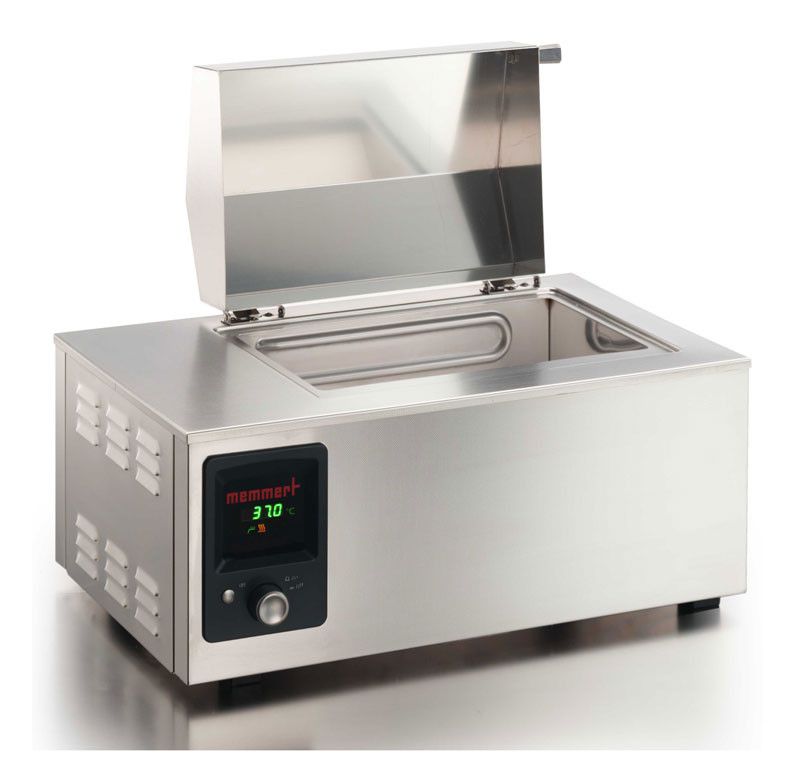
When performing experiments that require high temperature accuracy, choosing the right equipment is very important. One effective solution is to use a thermostatic bath, such as the MEMMERT WNE7 model. This device allows to maintain a stable temperature from 50°C to 95°C, with a variation of only ±0.1°C, helping to protect the properties of the sample from changing during the heating process.
In addition, the thermostatic bath is also equipped with safety features such as automatic heat cut-off when overheating, helping to minimize the risk of fire or damage to the sample. With a sturdy and easy-to-use design, the thermostatic bath is the ideal choice for laboratories that require precision and safety in heating solutions.
Should you invest in a Memmert water bath in your laboratory?
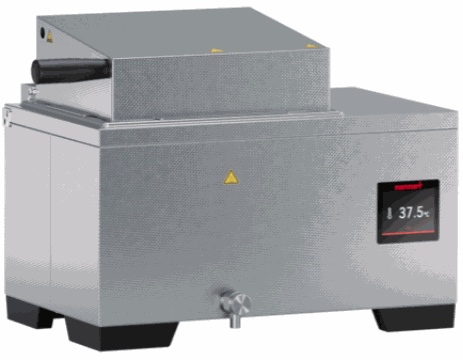
Absolutely. Memmert water baths should be invested in for laboratories when they need to heat solutions safely, operate stably without changing the properties of the sample. Memmert is capable of maintaining a uniform temperature thanks to its air circulation system and intelligent temperature control, helping to protect the sample during the heating process. The device is also equipped with safety features such as over-temperature warning, very suitable for experiments that require high precision and optimal safety.