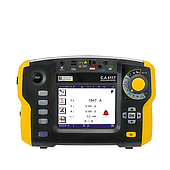
Among the popular earth resistance meters currently available, the Kyoritsu 4105A is a popular choice due to its simple operation, portability, and a measurement range suitable for most subsequent testing needs. This article will help you understand how this model is used in various situations and how to perform practical measurements.
What applications are Kyoritsu 4105A used for?
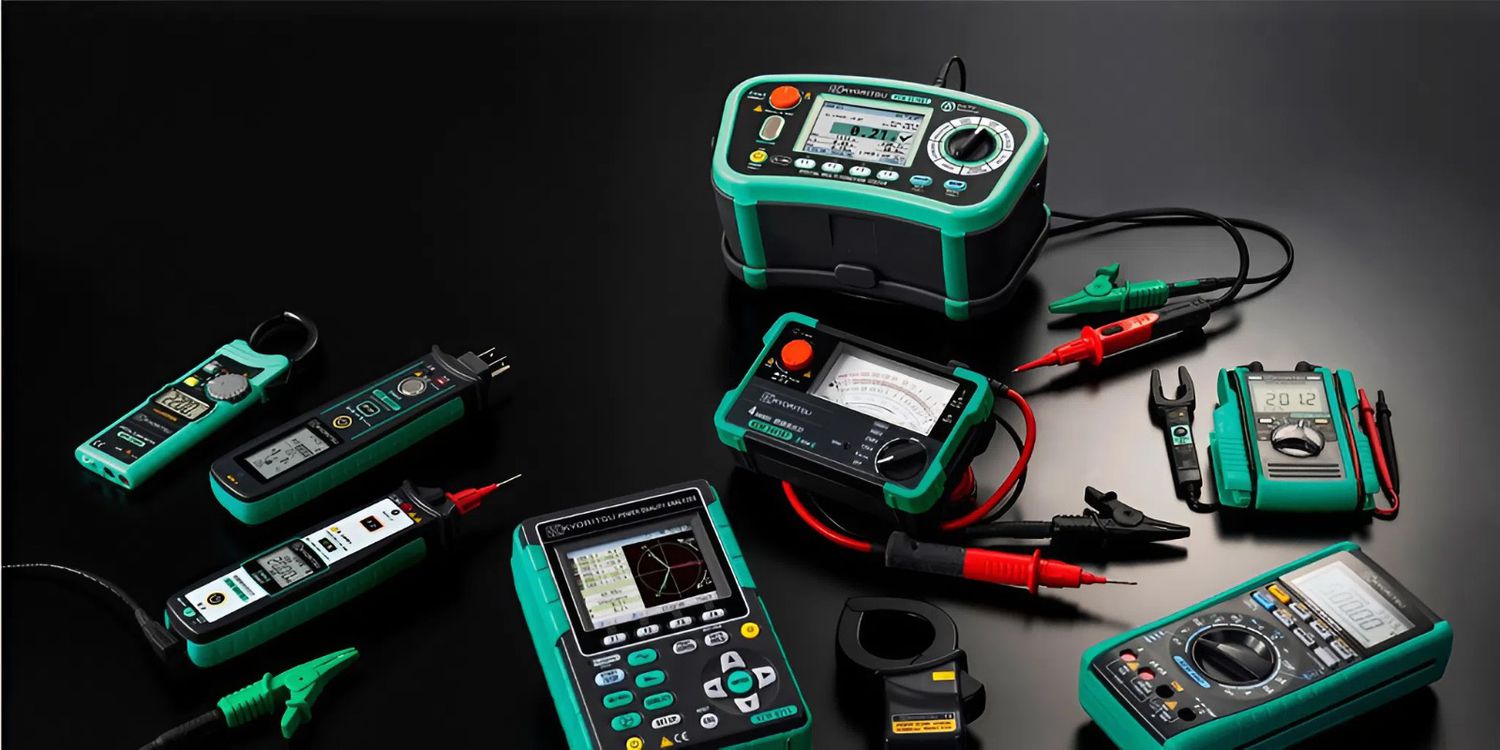
In practice, earth resistance meters are commonly used when testing grounding systems in:
- Electrical cabinets in factories
- Building lightning protection systems
- Small substations or residential electrical systems
- Grounding systems for machinery
During the measurement, we check the resistance value between the grounding system and the ground. If the resistance is too high, leakage current or lightning current will have difficulty dissipating into the ground, reducing the effectiveness of the system's protection.
For such routine inspections, the Kyoritsu 4105A is often carried by many technical teams due to its compact size and familiar measurement method.
Key points to note when using Kyoritsu 4105A
Upon holding the device, the most noticeable features are its compact size and clearly arranged control buttons. The device uses a rotary knob to select the measurement range, an LCD screen to display results, and a "PRESS TO TEST" button to begin measurements.
Key features include:
- Display screen showing measured values
- Rotary knob for selecting the measurement range
- Indicator light during measurement
- Test lead connector
- Included grounding rods
The device also has a sturdy protective casing, making it suitable for outdoor use without significant risk of minor impacts during operation.
Measurement range of Kyoritsu 4105A
The Kyoritsu 4105A is designed for common grounding measurements in electrical systems.
Key specifications include:
- Ground resistance measurement range: 0 - 2000 Ω
- Accuracy: approximately ±2%
- Ground voltage measurement range: 0 - 200 V AC
- Current measurement range: approximately 2 mA
This range is sufficient for testing many grounding systems in factories, buildings, or construction sites.
How to measure earth resistance using Kyoritsu 4105A
Measuring grounding with this device isn't too complicated if you're familiar with the 3-stake measurement method.
Step 1: Check the battery before measuring
Turn on the device and observe the battery icon on the screen. If the battery is low, replace it before measuring to avoid errors.
Step 2: Connect the test leads and ground stakes
The device's accessories include:
- Test leads
- Auxiliary stakes driven into the ground
- Alligator clips
The auxiliary stakes need to be driven into the ground at appropriate distances from the main ground stake.
Step 3: Check Earth Voltage
Before measuring resistance, switch the device to the Earth Voltage range to check the earth voltage. If the value is lower than approximately 10V, you can proceed with measuring resistance.
Step 4: Proceed with measuring earth resistance
Turn the rotary knob to the resistance measurement range, then press PRESS TO TEST to begin the measurement. The resistance value will be displayed directly on the screen.
If the needle or screen fluctuates abnormally, check the test leads or the location of the grounding rod.
What is the acceptable earth resistance value?
The required grounding resistance varies depending on the electrical system. Some common values include:
- Building lightning protection systems: approximately ≤ 10 Ω
- Industrial electrical cabinet grounding: approximately ≤ 4 Ω
Some substations or special systems may require lower values.
Regular measurements help detect poor grounding early, especially after prolonged use or after electrical system changes.
Besides Kyoritsu, what other reputable brands are there?
In the field of electrical measurement, many technicians are familiar with using long-established brands such as:
These brands all offer a wide range of earth resistance meters for testing both residential and industrial electrical systems, and are all officially distributed in Vietnam by EMIN.
Who is suitable for Kyoritsu 4105A?
If your work frequently requires checking grounding at construction sites or factories, the Kyoritsu 4105A is a fairly easy-to-use model. It doesn't have too many complex functions, but its measuring range is sufficient for common grounding inspection tasks.
For many electrical maintenance teams, this is still the model they carry when they need to quickly check grounding systems on-site.