Understanding safe sound intensity thresholds not only helps you choose suitable equipment and improve your living and working environment, but also ensures compliance with regulations and protects your health. This article will help you clearly visualize this noise level and how to measure it accurately with the right equipment.
What Does 50dB Sound Like in Reality?
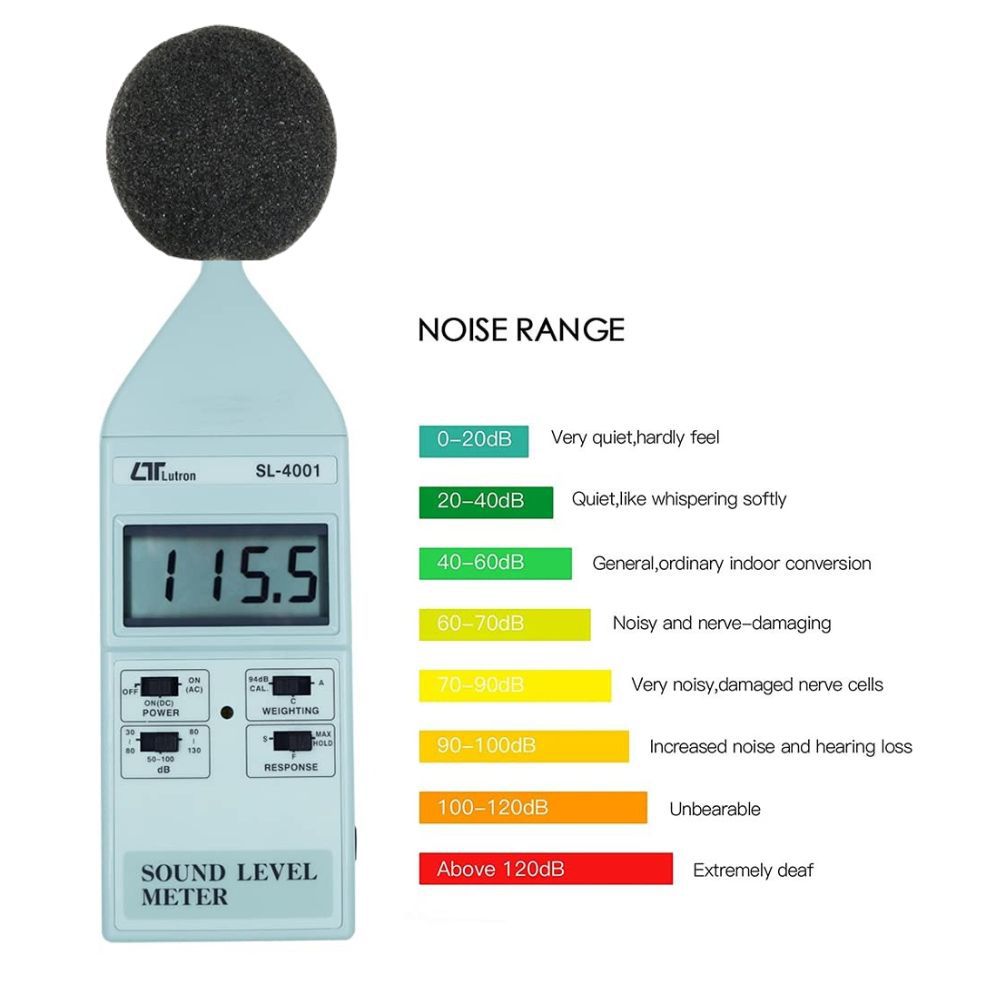
Sound intensity is measured in decibels (dB). A 50dB noise level is classified by acoustic experts as “moderate – quiet.” To better understand, you can compare it with familiar sounds:
Below 30dB: Falling leaves, very soft whispers (very quiet).
40–50dB: Light rain, a distant transformer, or a quiet library.
50dB: Equivalent to a normal conversation between two people at a distance of 1 meter, or background noise in a modern office.
Above 70dB: Vacuum cleaner, car horns (starts to become uncomfortable).
Thus, 50dB is an ideal sound level for concentration, reading, or resting without distraction.
Noise Standards at 50dB in Vietnam
In Vietnam, the Ministry of Natural Resources and Environment has issued strict noise regulations to protect public health. According to QCVN 26:2010/BTNMT, 50dB serves as a limit threshold for many areas:
Special zones (hospitals, nurseries, schools): This is the maximum allowable level at night (from 9 PM to 6 AM) to ensure rest and recovery.
Residential areas, hotels: 50dB is considered an ideal environmental condition. If your living environment frequently exceeds this level at night, it may indicate noise pollution.
To accurately determine whether your environment exceeds these standards, using professional sound level meters is the only way to obtain objective data instead of relying on subjective hearing.
See more: Learn about noise measurement devices and effective noise reduction solutions
Why Should Offices Maintain Noise Levels at 50dB?
Studies show that when background noise exceeds 60dB, office productivity can drop by 20–30% due to loss of concentration. In contrast, maintaining a 50dB environment helps people achieve optimal mental stability.
Businesses today often use measurement devices to evaluate noise sources such as:
Central air conditioning systems
Sound insulation of meeting rooms
Noise from printers, photocopiers, and vacuum cleaners
Regular monitoring allows companies to optimize workspace conditions. You can explore and compare Class 2 [sound level meters] on the EMIN website, as they are the most suitable for office and residential noise measurement.
How to Measure and Read dB Accurately with Professional Equipment
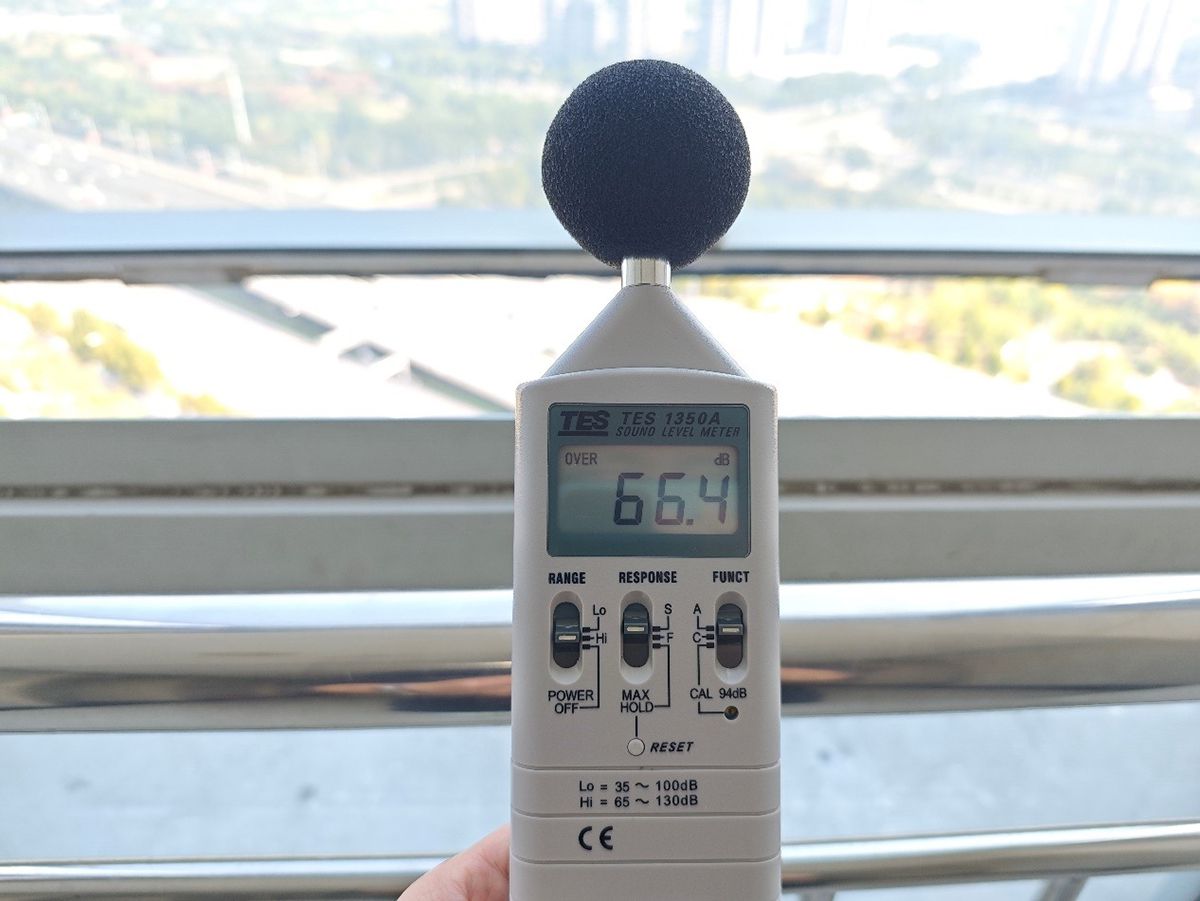
To determine whether your environment meets the 50dB threshold, technicians should follow standard procedures:
Measurement position: Place the device at least 1–1.5 meters away from the noise source and 1.2 meters above the ground.
Measurement mode: Use A-weighting (closest to human hearing response).
Measurement time: Measure at different times (morning, noon, evening) to obtain an average value (Leq).
At EMIN Vietnam, we provide a full range of solutions from handheld devices to 24/7 noise monitoring systems. You can confidently Order a sound level meter at EMIN to receive calibrated and certified equipment with minimal measurement error.
Understanding the 50dB noise level is not just technical knowledge—it’s a way to protect your quality of life and that of your community. A properly controlled sound environment is the foundation for health, productivity, and creativity.
Start managing your sound environment today!