Water Bath and Oil Bath
What is the difference between water and oil thermostats?
Water baths are the most common type of water bath in laboratories. They use water as the heat transfer medium and can maintain temperatures from room temperature to approximately 100°C, making them suitable for a wide range of applications such as cell culture, enzyme reactions, or moderately high temperature testing. For example, water baths are often used to warm bacterial cultures or perform heat-shock procedures in molecular biology.
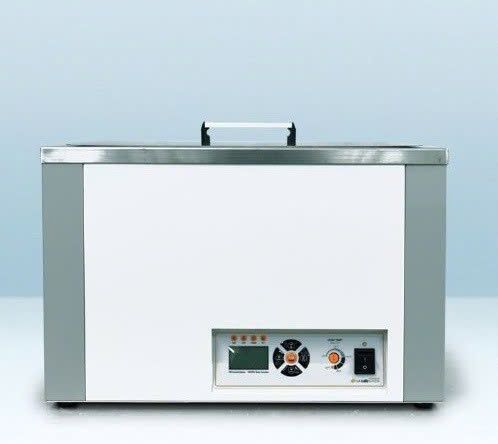
In contrast, oil baths use oil as a heat transfer medium, allowing them to maintain temperatures higher than water, typically from 100°C up to 300°C or more. Oil baths are suitable for experiments that require high temperatures that water cannot provide, such as chemical reactions that require high temperatures or heating samples that cannot be in direct contact with water.
Laboratory thermostatic bath with temperature control technology
Modern thermostatic baths are often equipped with digital temperature control systems with precise sensors, helping to maintain a stable and safe temperature for the test sample.
PID and microprocessor control: Helps maintain a stable temperature with small errors, automatically adjusts the temperature according to the setting, minimizing temperature fluctuations. For example, the MEMMERT WNE14 thermostatic bath uses a PID controller and a Pt100 Class A sensor, ensuring high accuracy and safety during operation.
Alarm and protection systems: Laboratory water baths often have protection mechanisms such as over-temperature alarms, automatic shut-off when the temperature exceeds safe limits, and water-dry protection. This helps protect equipment and samples from damage due to uncontrolled temperatures.
Display and programming: Many water baths have LED or touch screens that display actual temperature, set temperature, and running time. Users can program temperature cycles according to experimental requirements.
What is a laboratory water bath used for?
In molecular biology laboratories, water baths are used to incubate DNA samples in PCR reactions or to culture bacteria at a constant temperature of 37°C, allowing the reaction to take place efficiently and accurately.
In chemical research, oil baths are used to perform reactions that require high temperatures such as organic synthesis or catalytic reactions that water baths cannot meet.
MEMMERT WNE14 thermostatic bath with modern design, high precision and multi-layer safety system is chosen by many laboratories to ensure safe and accurate experimental procedures, especially in biological and chemical applications that require strict temperature control.
Optimize your laboratory with the MEMMERT WNE14 Thermostatic Bath
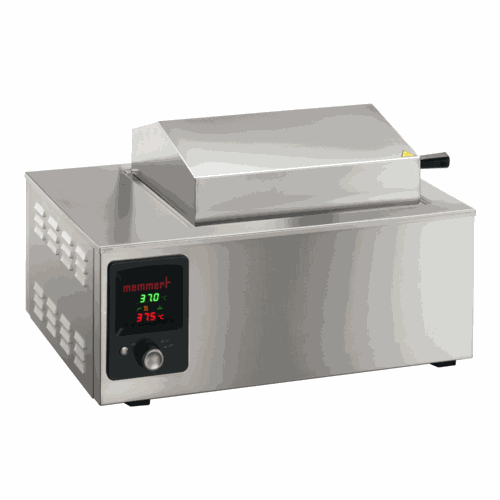
The MEMMERT WNE14 laboratory water bath is an advanced instrument, specially designed to meet the demanding requirements of modern laboratories. With a capacity of 14 liters, a temperature range from +10 to +95°C and a boiling mode, this instrument is suitable for a wide range of applications.
Highlights of the MEMMERT WNE14 include:
High Accuracy: Pt100 Class A temperature sensor and microprocessor PID controller maintain stable temperature with an error of only 0.1°C.
Maximum safety: Multi-layer protection system with dual sensors, over-temperature protection and audible and visual warnings protect samples and equipment.
Convenient design: Stainless steel material is easy to clean, convenient drainage system and LED screen clearly displays temperature and time parameters.
Energy saving: Large area heating system helps heat quickly and evenly, reducing power consumption.
Laboratory water bath is essential equipment, and choosing the right type suitable for experimental needs will help improve work efficiency, ensure accurate and safe results.