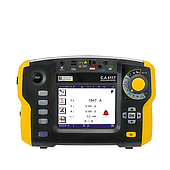
How to handle when the multimeter has problems while measuring ACV
Above all, ensure the safety of the operator, especially when working with AC power. If you want to directly check the equipment, make sure you have enough professional knowledge to recognize and assess the damage. Only then can the handling be done safely.
In case you are not confident in your skills, it is best not to experiment with electrical circuits that are directly connected to 220VAC power, reducing the risk of injury and avoiding unexpected incidents.
Related articles: Tips for measuring 220V current with a multimeter that not everyone knows
Causes and solutions for multimeter explosion when measuring ACV
There are many reasons why a multimeter explodes during voltage measurement, from user error to technical problems within the device.
1. Choosing the wrong scale
This is the most common cause. When measuring AC voltage, many people often accidentally put the wrong measuring range or insert the wrong test probe. For AC measurement, the red probe tip needs to be inserted into the port marked VΩ, and the black probe must be in the COM port. Then, turn the adjustment knob to the appropriate ACV scale. If you accidentally leave the measuring scale in the current measuring position (such as 250mA) and then directly connect it to a 220V source, the current will pass through the shunt resistor and cause the meter to explode immediately.
2. Internal circuit failure
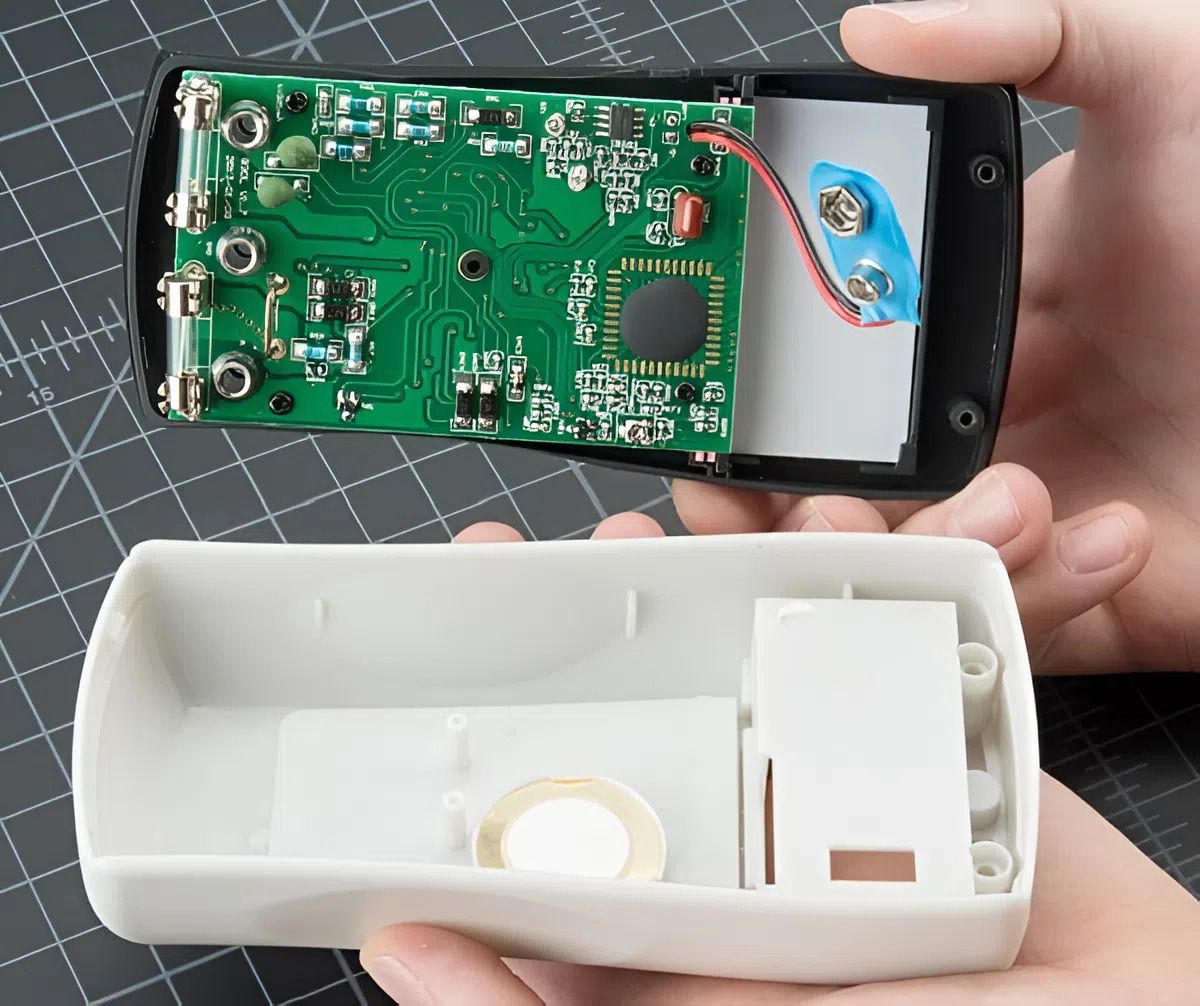
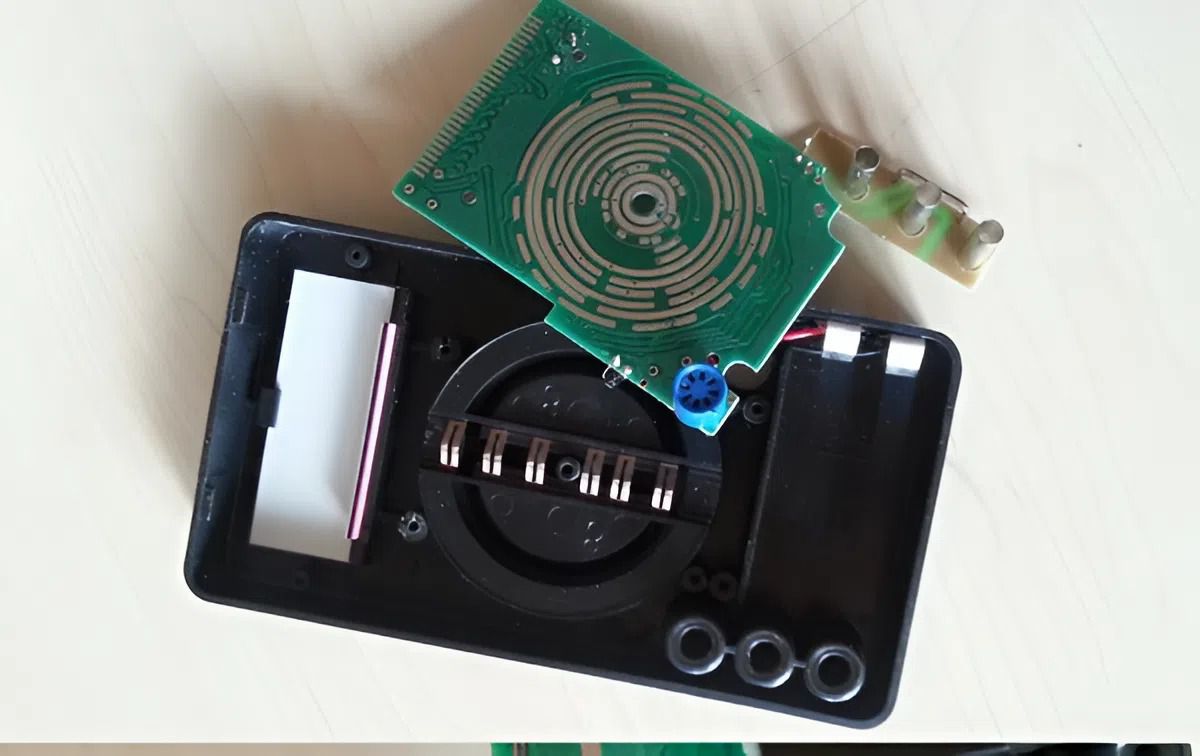
Some explosions are not caused by manipulation but by damage to components or circuits in the device. When detecting abnormal signs such as burning smell, circuit burn or continuous incorrect measurements, it is necessary to open the device to check the circuit board. If you see poor solder joints, broken wires or burned components, you can replace or re-solder them. However, if you are not familiar with electronics, take the watch to a repair shop to avoid further damage.
3. Errors due to product quality
If both the operation and the circuit are normal but the watch still has problems, there is a high possibility that the device is defective right from the manufacturing stage. Floating products of unknown origin often do not meet safety standards and are prone to short-circuiting and exploding when exposed to high voltage. In this case, the only solution is to stop using and choose to buy it again at a reputable distribution address to ensure the safety and durability of the device.
How to safely measure alternating current (AC) voltage
To avoid unwanted incidents such as the meter exploding when measuring ACV, you should understand the correct measurement process. Specifically as follows:
Step 1: Before proceeding, turn the knob to the AC voltage scale.
Step 2: Insert the black probe into the “COM” port and the red probe into the “V/Ω” port.
Step 3: Make sure the two probes are firmly attached before contacting the measuring point.
Step 4: Select a scale level one level higher than the expected voltage. For example, if you need to measure 220V AC, you should choose the 250V scale.
Step 5: Place the two measuring probes at the two points to be measured, do not pay attention to the polarity because AC voltage is not polarized.
Step 6: Observe and read the value displayed on the multimeter screen.
Important notes when using a multimeter
- When working with electrical measuring equipment, it is imperative to follow the safety rules to protect both the user and the equipment:
- Only measure AC voltage when the meter is correctly switched to ACV mode.
- Check the battery and internal fuse before use, ensuring they are properly seated and not exposed.
- Make sure the test leads and probes are not broken or have exposed cores, and that they are securely inserted into the port before touching the circuit.
- With analog meters, adjust the needle to the “0” position before measuring to avoid errors.
- Do not measure in potentially explosive environments or with wet hands.
- Avoid applying voltage to the current or resistance scale as this may blow out the fuse or damage the internal circuit.
- After completing the measurement, always turn the switch to the OFF position to protect the meter and save battery.
To reduce the risk of multimeter problems when measuring AC voltage, you should choose high-quality devices that operate stably and are trusted by many technicians. Here are some suggestions that are suitable in terms of both performance and cost:
- Hioki 3490: Insulation Meter (Megohmmeter)
- Sanwa YX-360TRF Analog Multimeter
If you want to learn more about each model, you can visit the website EMIN.vn or contact the hotline directly for specific advice from the technical team, helping you choose the most suitable device for your measurement needs.
Thank you for watching. Hopefully the above information will help you use the multimeter more safely and effectively in all measurements.