These challenges not only affect production performance but also cause significant economic and brand reputation losses. So what is the solution to optimize the IC programming process, improve productivity while still ensuring product quality?
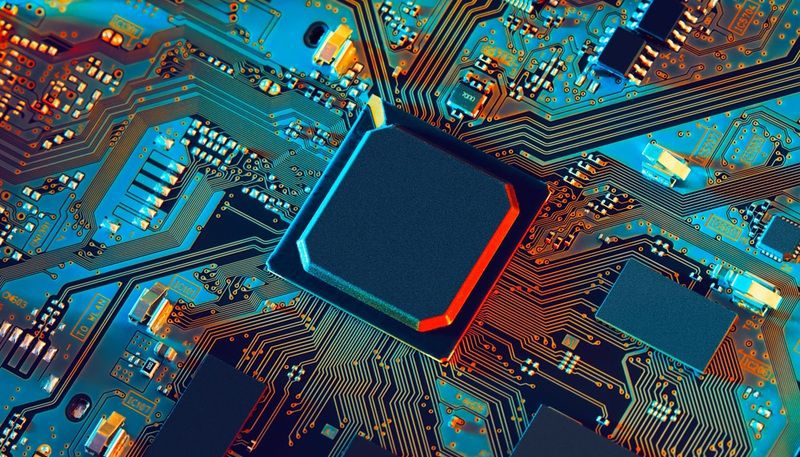
Current status of manual IC programming - Potential risks in production
Manual IC programming has been around for a long time, but with rapid technological advancements, this method is increasingly revealing its limitations:
Time-consuming, reduced productivity: Manually programming each IC takes a significant amount of time, especially in large-scale production. This can severely impact delivery schedules and a company's competitiveness.
Errors in the programming process: Even a minor mistake during programming can ruin an entire batch of products, causing substantial financial losses and damaging brand reputation.
High operational costs: Businesses must bear high expenses for labor, equipment maintenance, and error correction, significantly increasing production costs.
Scaling difficulties: As production demands rise, manual programming cannot keep up, leaving businesses struggling to compete in the market.
Faced with these challenges, many companies are seeking more efficient solutions to enhance productivity and minimize programming errors. Xeltek SuperBOT has emerged as a top choice for factories and enterprises.
Xeltek SuperBOT – Advanced automatic IC programming solution
Xeltek is a long-standing brand with extensive experience in the field of automatic IC programming, developed at Silicon Valley technology center, USA. Xeltek's SuperBOT product line provides a complete automation solution in IC programming, helping businesses improve production speed, reduce errors and optimize operating costs.
So how does Xeltek SuperBOT help businesses change?
1. Increase programming speed, optimize production time
SuperBOT is capable of programming thousands of ICs per hour, helping to significantly shorten production time. Businesses no longer have to worry about overload or delays, but can easily expand their scale when needed.
2. Strict quality control, minimizing errors
Xeltek's advanced control system ensures each IC is programmed exactly to specifications, helping to minimize manufacturing errors. This not only protects brand reputation but also helps businesses save on error correction and maintenance costs.
3. Flexible integration with production lines
Xeltek SuperBOT is designed to easily connect to modern pick-and-place systems, supporting a variety of components such as MCU, NAND, eMMC, NOR Flash... helping businesses optimize production processes without needing to change much infrastructure.
4. Save labor and maintenance costs
Thanks to high automation capabilities, SuperBOT helps businesses minimize dependence on workers, cutting operating and maintenance costs of production lines. This is an important factor to help optimize production costs while still ensuring high performance.
Solutions for the future of IC manufacturing industry
Automation is becoming an inevitable trend in the electronics industry. With Xeltek SuperBOT, businesses can upgrade production lines, ensure optimal speed, quality and cost, and be ready to receive future growth opportunities.
Reference:
Xeltek SuperBOT 5A automatic IC loader
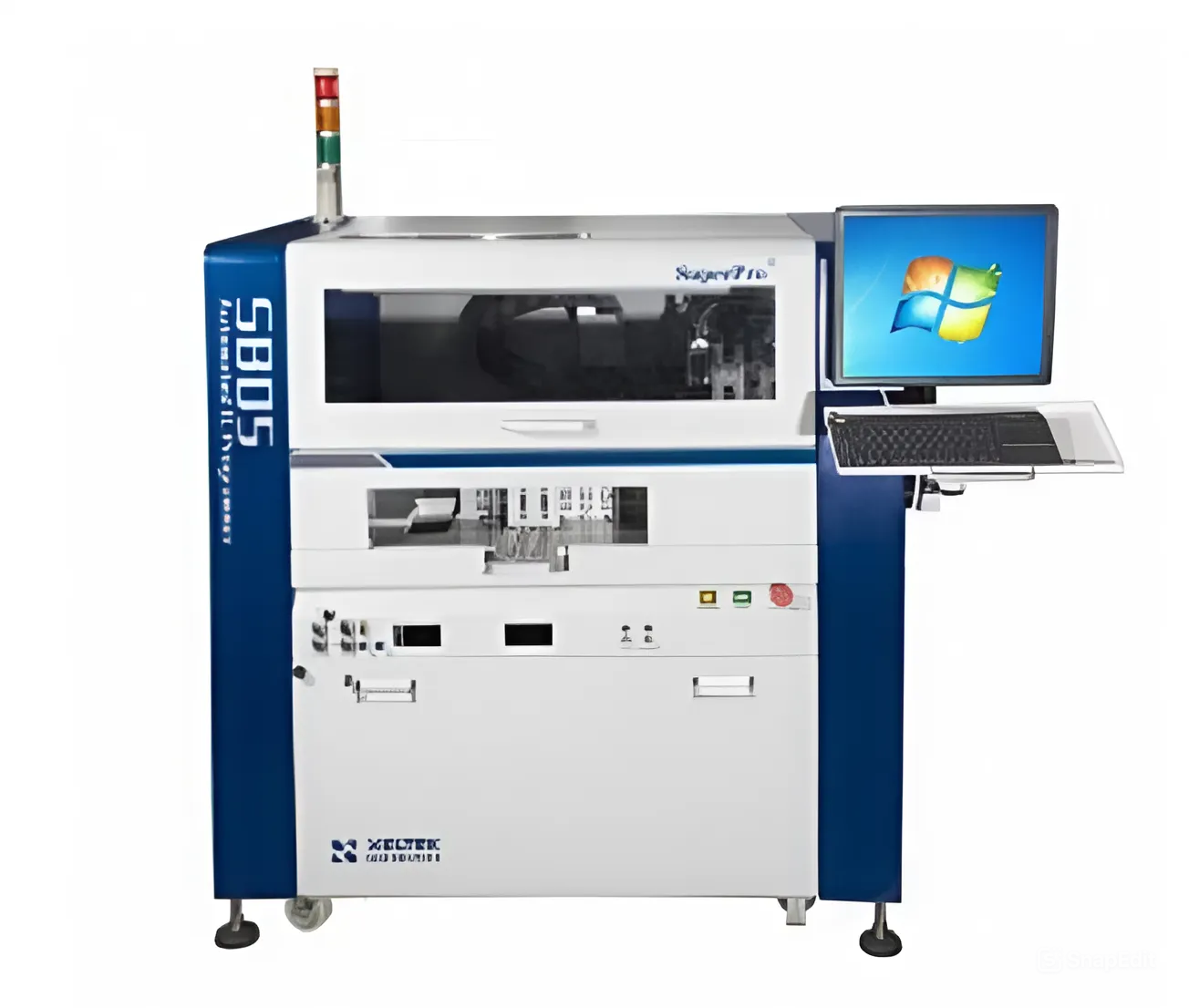
The Xeltek SuperBOT 5A Automatic IC Programmer is an advanced solution in microchip programming, designed to meet high-performance production demands with absolute precision. With the capability to program up to 2,100 units per hour, the SuperBOT 5A optimizes production workflows, minimizes downtime, and enhances operational efficiency.
Equipped with 32 sockets, this device enables simultaneous programming of multiple chips, making it highly adaptable for both small-scale and large-scale projects. The SuperBOT 5A supports a wide range of IC types, including eMMC, NAND/NOR Flash, SPI Flash, and MCU, ensuring broad compatibility across various applications.
One of the standout features of the SuperBOT 5A is its modular design with 8 adapters, allowing users to easily swap and upgrade components based on specific production needs. This not only provides flexibility in manufacturing but also helps businesses reduce investment costs while maintaining a highly efficient programming process.