The versatile “workers” known as standard drill bits
Standard drill bits are accessories that every household should have in their toolbox. If the drill is considered a sword, then the standard drill bit is the sharpest blade, capable of creating clean and precise cuts in wood, plastic, or thin metal.
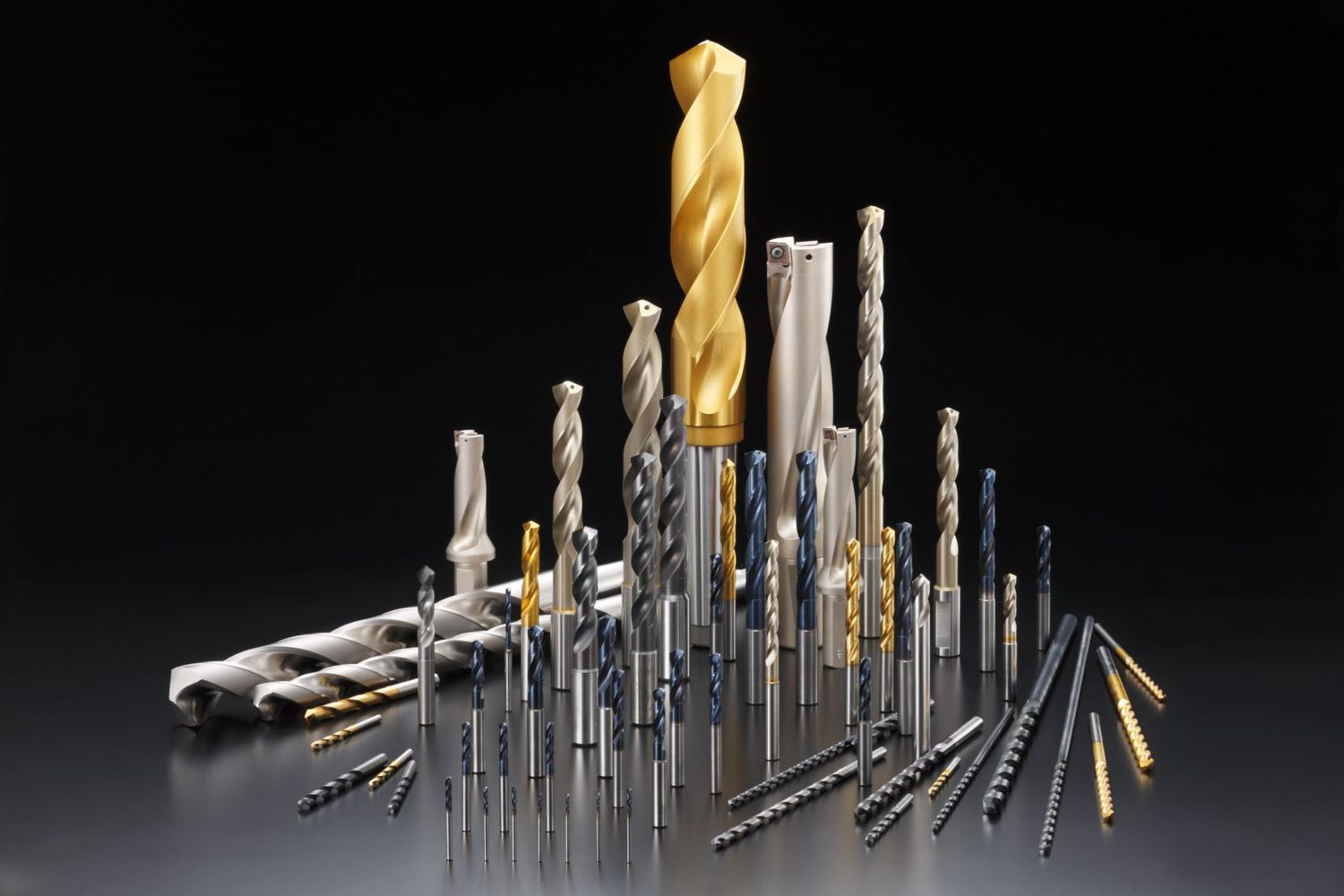
The most recognizable feature of this type is its consistent spiral structure from tip to shank. Skilled technicians often refer to this as a twist drill. Primarily made from High-Speed Steel (HSS) or high-quality carbon steel, they operate based on high-speed rotational motion to cut materials. When you need to hang a picture on plywood or install a thin metal shelf in the kitchen, a standard drill bit is the top choice. It does not damage the surrounding structure but instead creates a clean, aesthetic hole—something masonry drill bits cannot achieve.
Masonry drill bits offer superior strength for hard materials
In complete contrast to standard drill bits, masonry drill bits are designed to conquer tough materials. These may include reinforced concrete, solid brick walls, or natural stone used in infrastructure projects. The biggest difference between masonry drill bits and standard drill bits lies in the tip. While standard drill bits rely on sharp steel edges, masonry drill bits are equipped with an ultra-hard tungsten carbide “crown.”
The working mechanism of masonry drill bits is not based solely on rotational force but also incorporates hammering force from impact drills or rotary hammer drills. When used with dedicated hammer drills, masonry drill bits function like miniature chisels, repeatedly striking to fracture hard surfaces before the spiral flutes remove debris. The body of the bit is also thicker, with wider flutes designed to handle the large amount of cement dust generated during drilling.
When should you use masonry drill bits and when should you use standard drill bits?
In real-world construction, users sometimes do not fully understand the structure and application of these two types of drill bits, leading to unnecessary damage. A standard HSS drill bit, no matter how good, will quickly overheat and become dull if forced through concrete. Conversely, using a masonry drill bit with strong hammering force on wood will result in a damaged surface, poor aesthetics, and reduced precision.
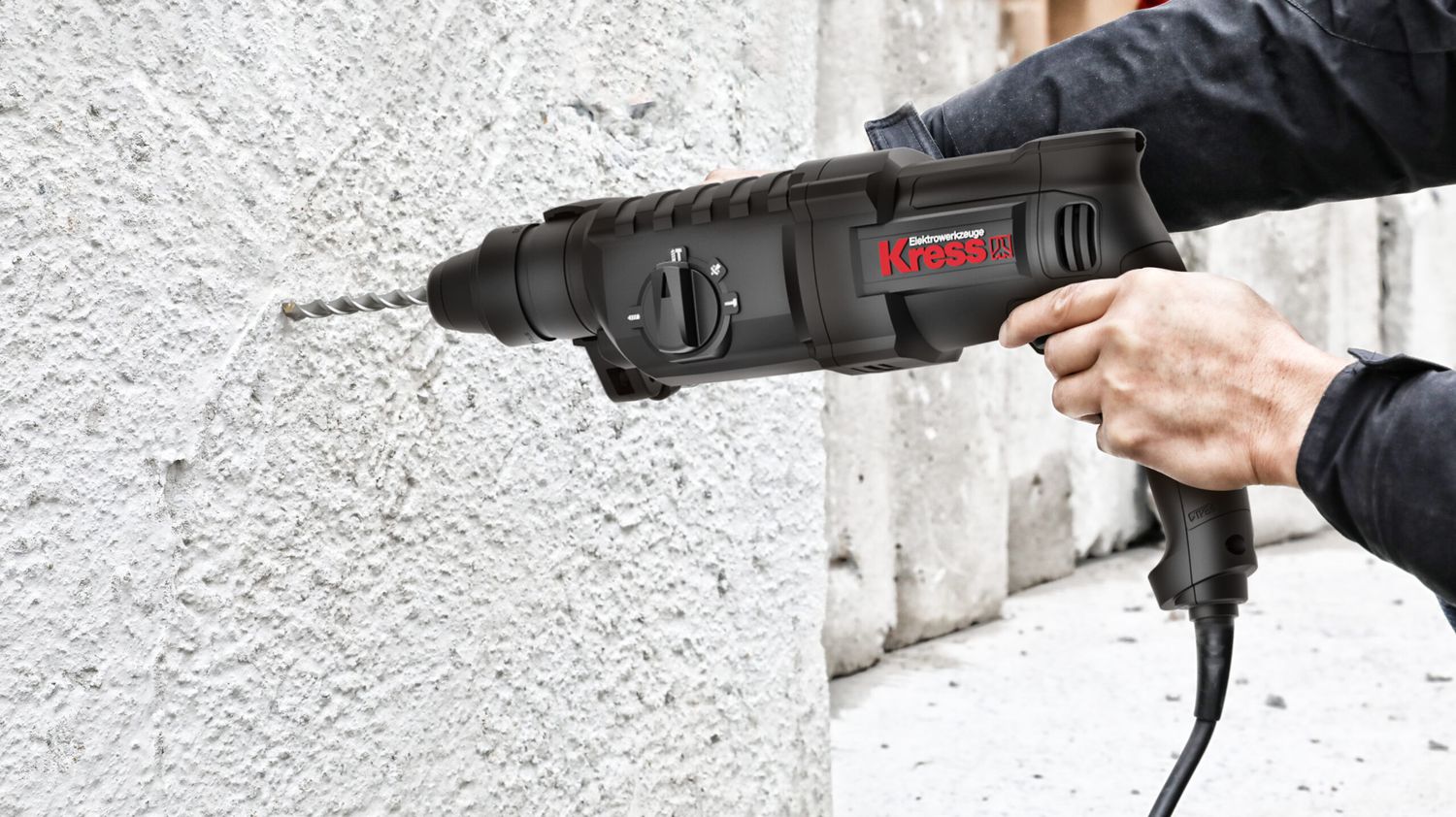
Furthermore, the shank system is also an important consideration. Modern masonry drill bits typically use SDS Plus or SDS Max standards—designs that allow the bit to move slightly back and forth to absorb hammer impact from the drill piston without slipping or breaking. Attempting to modify or force a standard drill bit into a heavy-duty concrete breaker not only damages the chuck but also poses serious safety risks.
Some important notes when using drill bits
To extend the lifespan of drill bits, always install the bit correctly according to the chuck standard and use the proper drilling mode. For masonry drill bits, hammer mode should be enabled, and excessive force should be avoided. During concrete drilling, using water or allowing proper cooling intervals helps reduce heat and minimize wear. After use, clean off drilling dust and store the bit in a dry place.
Advancements in material technology have made drill bits more durable, but the fundamental principles of use remain unchanged. If you are a DIY enthusiast or perform minor home repairs, a multi-purpose HSS-Co (cobalt-alloyed) drill bit set is a smart investment for handling both wood and metal effectively. However, if your purpose is home renovation, wall drilling, or installing electrical and plumbing systems, choosing masonry drill bits from reputable brands will ensure progress and safety.
Finally, regardless of the type of drill bit, understanding its structure, application, and proper maintenance is essential. Each drill bit has its own strengths, suitable for specific materials and job requirements. Investing correctly from the beginning is the best way to save costs while ensuring safety and efficiency during drilling operations.