For full functionality of this site it is necessary to enable JavaScript.
EMINKH.COM
0

TEKTRONIX INNOVATION FORUM: Engineering the Future

06/17/2021 09:07:55

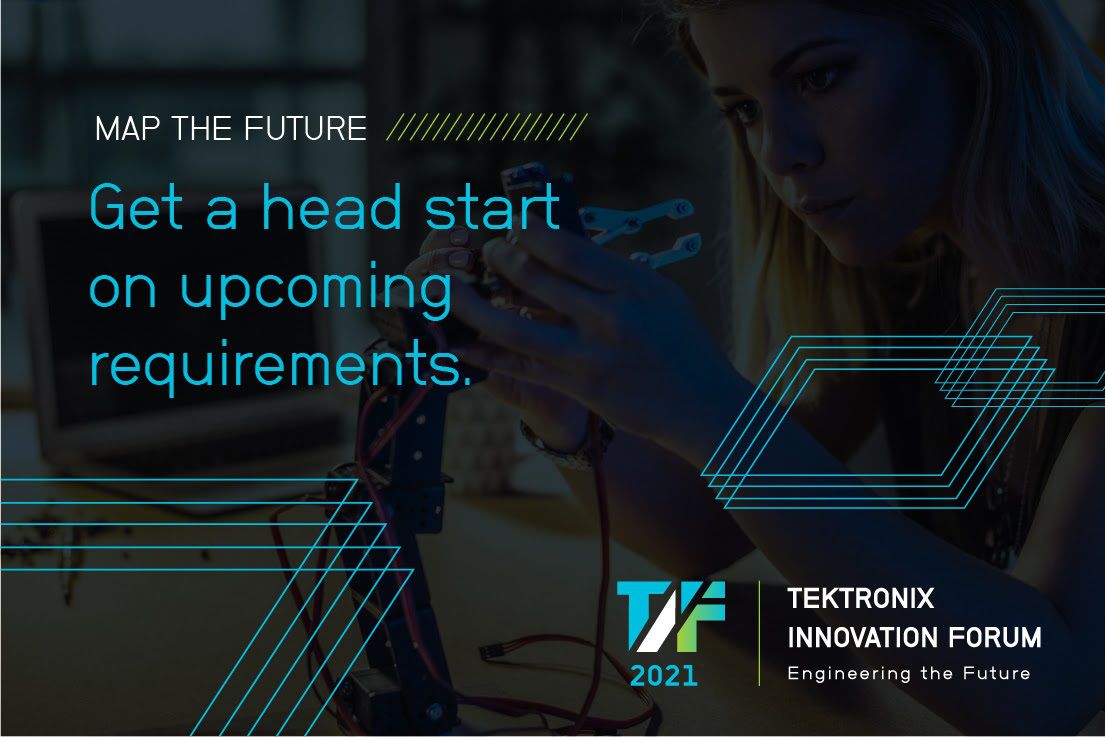
We are excited to invite you to our event of the year, 2021 Tektronix Innovation Forum

Dear Customers

We are excited to invite you to our event of the year, 2021 Tektronix Innovation Forum

There are over 40 virtual sessions on the latest technology trends. Engage with Tektronix and Industry’s leading Experts in multiple virtual format, including presentations, panel discussions and technical demonstrations.  

Here are some of the exciting highlights. 
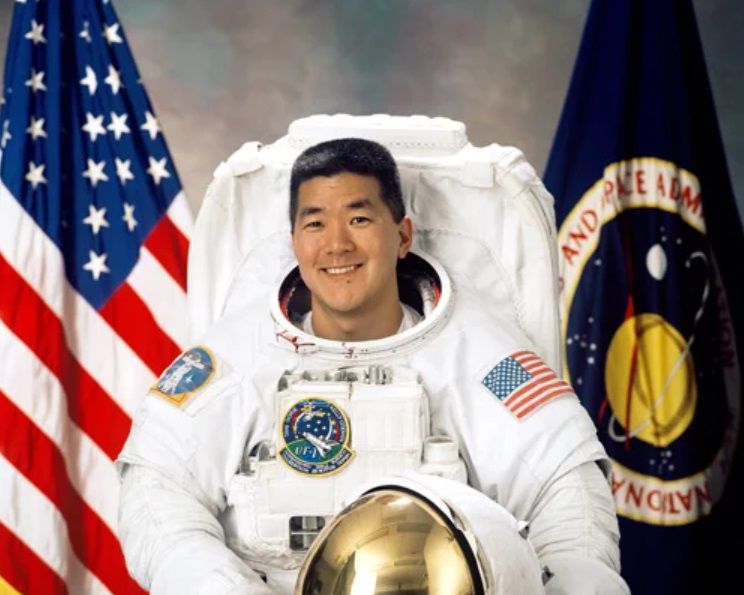
From Engineer to Astronaut:

An Inspiring Journey 

Daniel Tani, a former NASA Astronaut and Engineer, will kickstart the event as our Keynote Speaker.

His lessons of global teamwork and overcoming surprise challenges while traveling 17,500 miles per hour will definitely inspire you, as a problem-solving engineer. Strengthening your work and teams for many years to come.


To the Future, From the Inside

Engineering is a story of solutions generated, and problems solved.

Moderated by Evaluation Engineering Editor, Alix Paultre, join this group of brilliant minds in a conversation that will cover the future of engineering, and where their curiosity is leading them right now. 

Discover the endless possibilities in engineering today!


Stay Abreast of Key Trends in Technology

Keeping up with the technology trends is crucial and we are sure you will find these topics interesting: 

>> Wide Bandgap Semiconductor Applications and Validation

>> Beamformer Frontends and Up-Down Converter ICs for mmWave 5G Infrastructure

>> PAM4 Optical Transceiver Characterization

>> Diagnosing Jitter Caused by Power Integrity Problems

>> Next-Gen Serial Bus Testing for Computing and Automotive Applications

>> And more... 

This virtual event will bring ideas together, across different countries and culture,  Engineering the Future together. Register  FREE Now!


Related News

Which products are tested using a -40°C to +150°C thermal shock chamber?
07/22/2026 14:45:25

Automotive circuit boards, sensors, modules, and plastic components can all experience issues after repeated transitions between cold and hot environments. A thermal shock chamber operating from -40°C to +150°C enables the replication of these temperature fluctuations under controlled testing conditions.

Does thermal shock cause damage to electronic components?
07/22/2026 10:40:49

An electronic component may operate stably under constant temperature conditions yet fail after repeated rapid transitions between hot and cold. The issue typically stems not from a specific temperature level, but rather from the rate of temperature change and the number of hot-cold cycles

The rigorous standards behind a multi-million-dollar MRI suite
07/21/2026 14:54:01

An MRI system may be correctly installed and fully connected to the power supply, yet still encounter issues if the surrounding environment fails to meet technical specifications. Electromagnetic interference, RF shielding, power quality, grounding, temperature, humidity, and particulate levels are all factors that may require assessment, depending on the facility's design and the manufacturer's requirements.

Sinusoidal and Random Vibration: A Test Setup Guide for Industrial Engineers
07/21/2026 10:30:38

During the operation of industrial machinery or the transportation of goods, persistent mechanical vibrations inevitably occur; these are a primary cause of material fatigue, loosened connections, and cracking in printed circuit boards (PCBs). To ensure product integrity before delivery to customers, R&D and QA/QC engineers must simulate these dynamic forces using vibration test systems.

Capacities of laboratory centrifuge tubes
07/20/2026 13:55:40

Tubes with capacities of 0.2 ml, 1.5 ml, 15 ml, or 50 ml are commonly found in laboratories, yet each type is associated with specific sample categories and equipment configurations. DNA and RNA samples typically require small-volume microtubes; blood and cell samples often utilize 5 ml or 15 ml tubes; while large-volume processing workflows may require tubes of 50 ml, 100 ml, or greater capacity

Stay Updated with Offers

Get exclusive volume discounts, bulk pricing updates, and new product alerts delivered directly to your inbox.

By subscribing, you agree to our Terms of Service and Privacy Policy.

Quick Support

Direct access to our certified experts