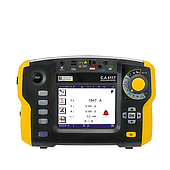
With the advancement of Industry 4.0, digital levels have gradually replaced traditional spirit levels thanks to their superior accuracy, intuitive digital displays, and smart data connectivity features. This article explores the structure, technical applications, and key considerations when using these modern leveling tools in industrial environments.
What Is a Digital Level? Advantages Over Traditional Spirit Levels
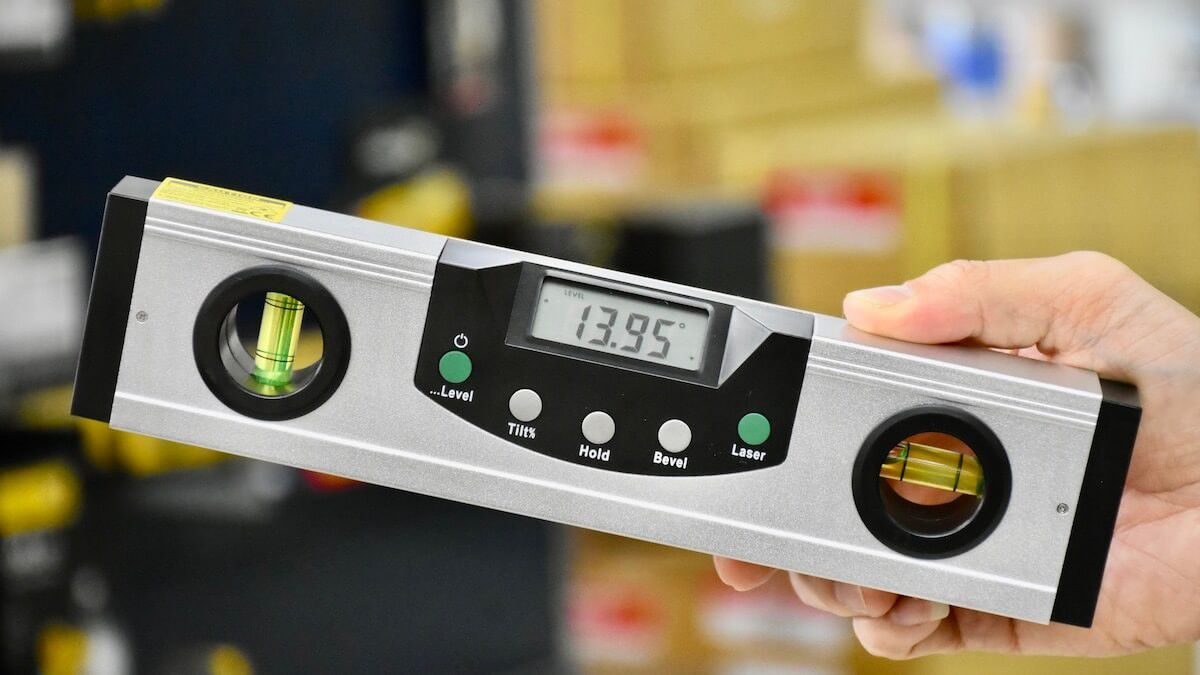
A digital level is a device used to measure tilt and levelness based on electronic sensors rather than the movement of an air bubble in a vial.
While traditional spirit levels heavily depend on the user’s viewing angle often leading to parallax errors digital levels provide precise numerical readings on an LCD screen. As a result, they can achieve extremely tight tolerances, typically 0.01 mm/m or even 0.001 mm/m.
Another major advantage is the ability to switch measurement units easily between degrees (°), mm/m, and inch/foot directly on the device. This allows engineers to match technical drawings without performing manual conversions.
Today, many leading manufacturers offer a wide range of digital levels suitable for different needs and budgets. You can refer to EMIN’s digital level product catalog to explore brands, pricing, and key features.
Key Technical Specifications to Consider
To determine whether a digital level meets industrial requirements, engineers should pay close attention to the following:
Sensitivity and accuracy: The most critical parameter. For machine tool installation, sensitivity typically needs to be 0.02 mm/m or 0.01 mm/m, while calibration-grade devices may offer even higher precision.
Stability and repeatability: A reliable device must provide consistent results across repeated measurements at the same position. This largely depends on sensor quality.
Temperature compensation: Industrial environments often experience temperature fluctuations. High-end digital levels with built-in temperature sensors can automatically compensate for thermal expansion, minimizing measurement errors.
Set Zero & Relative Zero functions: These features allow users to define a reference plane at any point, which is especially useful for measuring relative angles between machine components instead of absolute horizontal alignment.
Practical Applications in CNC Machine Installation and Maintenance
During the installation of CNC milling and lathe machines, proper leveling is the first and most critical step. If the machine frame is tilted or twisted, the X, Y, and Z axes will no longer be perpendicular, leading to geometric errors in machining.
Digital levels play a crucial role in this process:
Straightness inspection: Place the digital level on the machine table and move it along the axes. Variations in readings indicate deflection or unevenness of the guideways.
Squareness checking: Use a digital frame level to verify the perpendicularity between the spindle and the machine table.
Software connectivity: Some manufacturers have developed proprietary systems that allow digital levels to connect wirelessly to computers via Bluetooth. The measured data is automatically processed by software to generate 3D flatness graphs, enabling engineers to quickly identify uneven areas on large machine surfaces.
Maintenance and Calibration Guidelines for Digital Levels
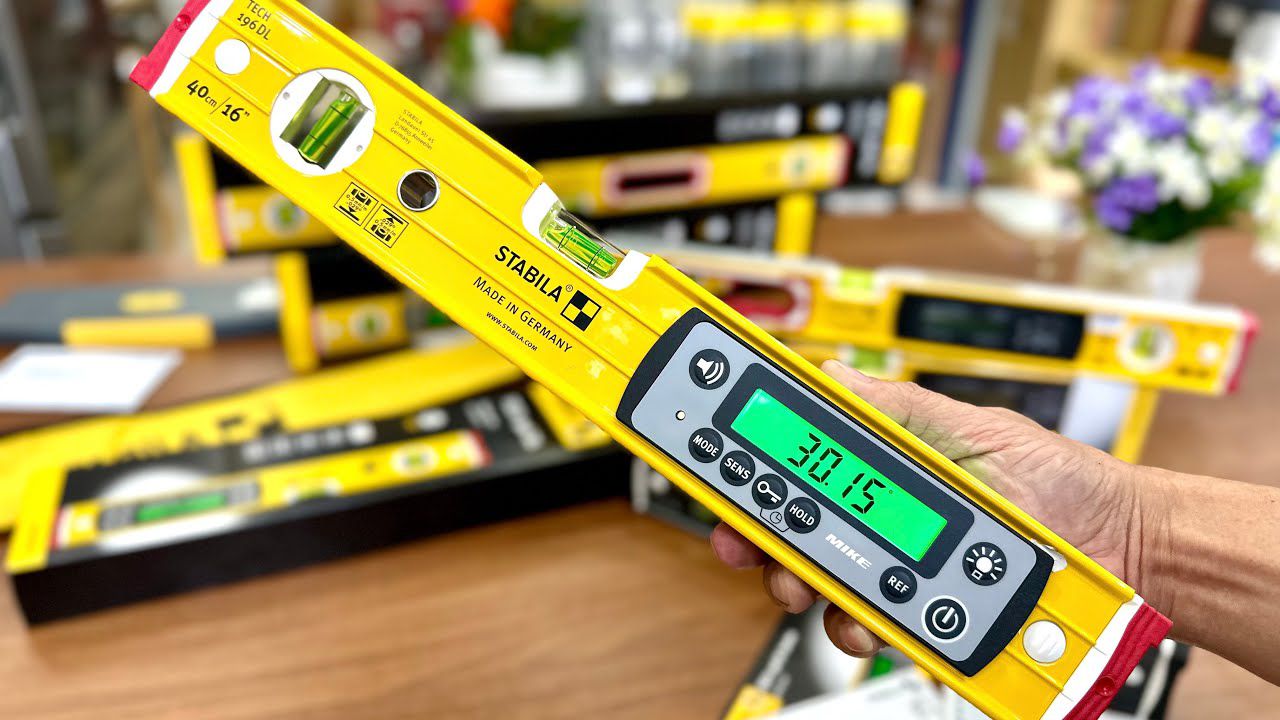
As precision electronic instruments, digital levels require more careful handling than conventional mechanical tools.
Always clean the measuring surface with a soft cloth and light protective oil before and after use. Even a small dust particle can cause measurement deviations of several microns.
Avoid mechanical shocks, as internal sensors are highly sensitive. Store the device in a protective case after use.
Perform periodic calibration. According to ISO standards, measuring instruments should be calibrated every 6–12 months in certified laboratories.
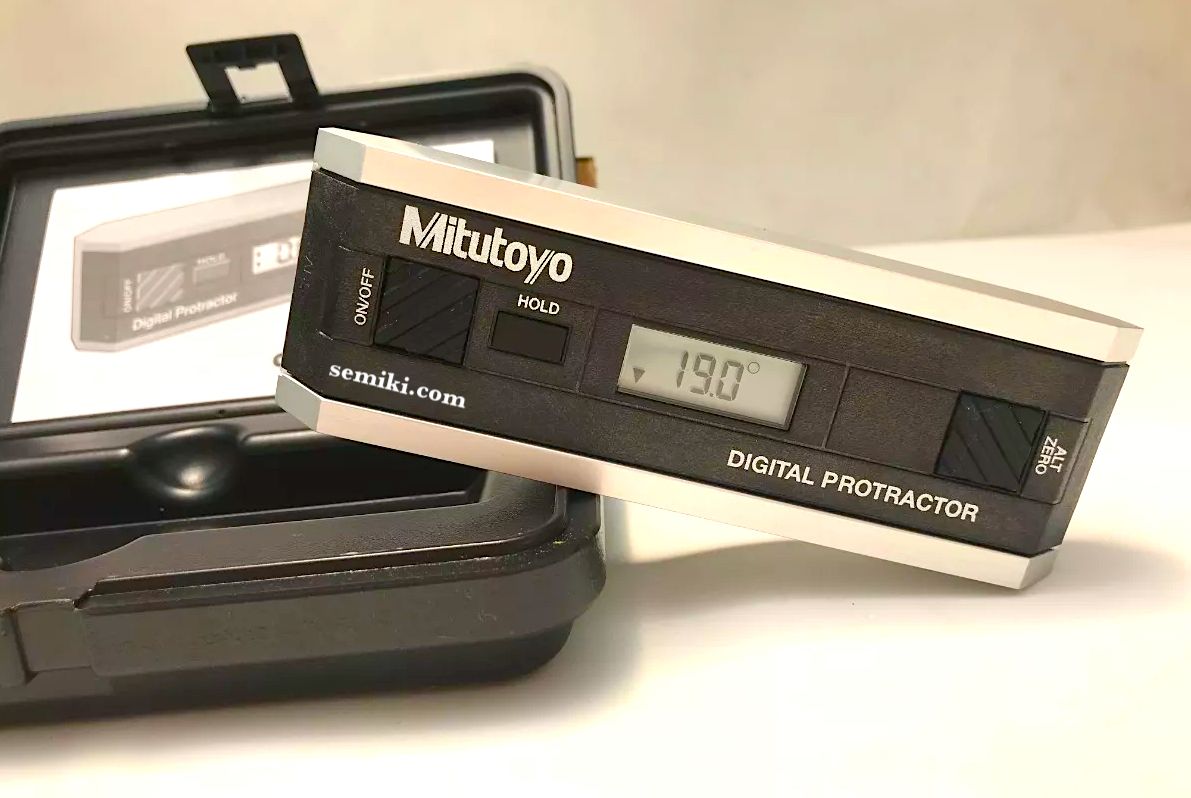
Digital levels are a worthwhile investment for any mechanical enterprise aiming for high precision in machine installation. When purchasing devices from reputable brands such as Mitutoyo, RSK, Stanley, INSIZE,... it is important to choose a distributor that offers strong technical support and after-sales service.
EMIN Vietnam is proud to provide comprehensive measurement solutions with a team of experienced engineers specializing in precision engineering applications. In addition to supplying equipment, EMIN also supports customers in adopting the latest measurement technologies.
You can explore detailed specifications and purchase digital levels at EMIN to receive genuine warranty policies and competitive pricing.