So how to ensure safety when using an autoclave in daily work? The answer will be in the article below, let's refer to it.
Overview of applications of autoclaves
Autoclave sterilizers are widely used across many different fields, especially in medical environments, personal care, and manufacturing. Depending on how they are utilized, these devices can handle a variety of items and daily tasks.
In hospitals or clinics, autoclaves are typically used to sterilize surgical instruments, dental tools, syringes, IV bottles, gauze, and many other types of medical equipment. This is an essential step to ensure that these items can be safely reused in environments requiring strict hygiene standards.
In the field of healthcare, many individuals choose to use autoclaves to sterilize baby bottles, injection pens, razors, toothbrushes, or beauty devices, helping to minimize the risk of infection and providing peace of mind when using these items for themselves or their family members.
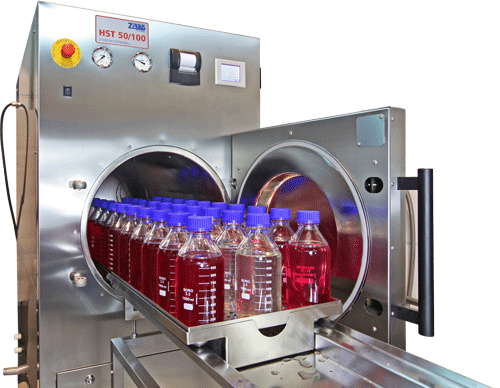
In manufacturing environments such as pharmaceuticals, food, or cosmetics, autoclaves are often used to sterilize containers like glass jars, bottle caps, and tubing.
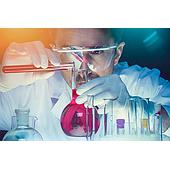
Additionally, in laboratories, these devices also play an important role when it is necessary to process samples, materials, or culture media before research is conducted.
How does an autoclave work and is it safe?
Understanding how an autoclave sterilizer works will definitely give you more confidence when using it. Essentially, an autoclave operates based on the principle of using high temperature and pressure to eliminate harmful microorganisms on the surface of items.
The required temperature and pressure must be maintained for a sufficient period to ensure complete sterilization, followed by a steam release and pressure reduction phase. This process significantly reduces the risk of contamination, allowing users to safely reuse their equipment.
Autoclaves are common in hospitals but are also found in many other environments due to their deep-cleaning effectiveness. With a device like this, users do not need to spend time soaking or using additional chemical disinfectants. The operation is straightforward—prepare the items, place them into the chamber, add water, and select the working mode. It is easy to use without requiring specialized knowledge, yet delivers highly effective results. From medical tools like scalpels and syringes to personal care items like baby bottles or pacifiers, all can be sterilized quickly in a short time.
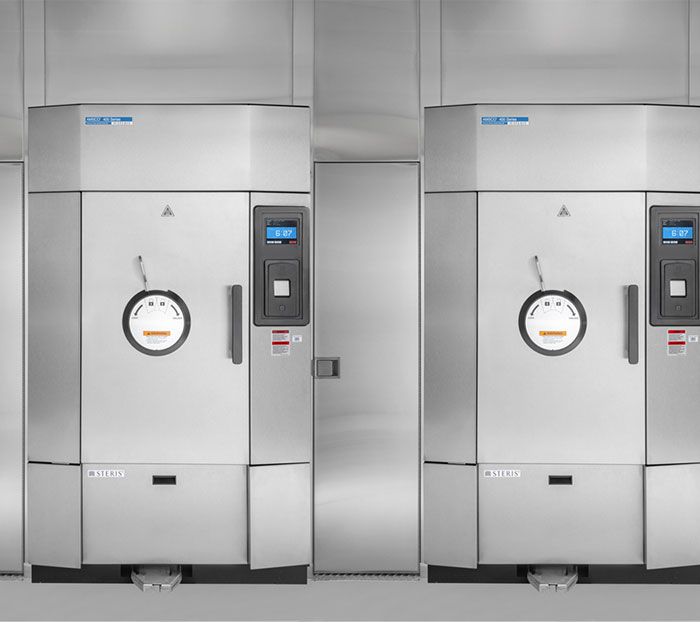
Using an autoclave provides users with greater control over infection prevention, especially in high-risk environments, offering peace of mind while saving considerable time and effort compared to traditional cleaning methods. Automation, a closed system, and no chemical odors are key reasons autoclaves continue to gain trust.
Depending on the field of application, autoclaves are selected based on design, capacity, and suitable features. In the medical field, they help process devices related to patient treatment and care. In the food industry, they maintain the cleanliness of tools that come into direct contact with ingredients, ensuring hygienic products reach consumers. For families with young children, sterilizing bottles or feeding utensils is crucial to protect infants from early exposure to bacteria.
Today’s market offers a wide variety of autoclave models, each designed to meet different needs. A personal recommendation is to carefully consider your purpose before purchasing, rather than buying impulsively or based on low price. A good device is one that meets your exact needs, ensures long-term use, and provides safety and cost-efficiency over time.