For full functionality of this site it is necessary to enable JavaScript.
EMINKH.COM
0

What is a climate cabinet? Application of the device in life, industrial production, and laboratories

01/03/2025 09:28:56

Microclimate chambers are popular in research, medicine, and environmental simulation tests. Used to test how prototypes perform under specific climatic conditions, thereby evaluating their adaptability and effectiveness.

So what role does a microclimate cabinet play? Below is my perspective on the applications and benefits that this device brings in the pharmaceutical, medical and industrial fields.

What is a microclimate cabinet?

The experimental climate chamber simulates the environment and is designed to be airtight and isolated. Inside the cabinet, climatic conditions such as temperature, air pressure and humidity are artificially created, allowing different environments to be recreated for testing purposes.
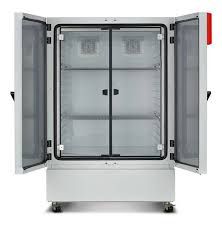
Microclimate chambers are used to test the stability of materials. If ICH Q1A guidelines are followed, the cabinet only needs to be capable of controlling temperature and humidity. However, according to ICH Q1B R1 guidance, additional lighting features are required. Common applications include shelf life testing, stability testing, and product expiration date assessment.

How many types of climate cabinets are there? 

Microclimate cabinets are divided into two main types: 

1. Stable microclimate cabinet: This type of cabinet is often used to test long-term stability, maintaining temperature and humidity at a constant level. Common applications include aging testing, materials testing, stress testing, long-term stability testing, and as storage tools. 

2. Dynamic climate chamber: Designed to carry out testing programs with temperature and humidity changing automatically over a set time, suitable for tests that require changing conditions environment.

Application of climate chamber 
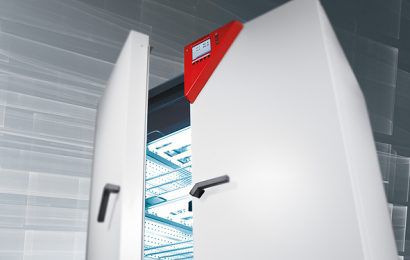
1. Pharmaceutical industry  

Microclimate cabinets are used to test drug stability before approval. This test helps determine shelf-life by storing samples in simulated temperature and humidity conditions corresponding to the actual environment from 8°C to 25°C. 

2. Food and beverage industry  

In this field, climate chambers support product testing at different temperatures and humidity levels, and even perform optical durability testing to evaluate the effects of light on food. Thereby, product stability, color, and shelf life are monitored under the prevailing climatic conditions in each country.  

3. Cosmetic industry  

The climate chamber helps evaluate the stability of cosmetics under fixed parameters such as temperature, relative humidity and light. Test results assist in determining shelf life and recommending appropriate storage methods. Standards such as ICH Q1A-Q1F are applied to ensure the reliability of cosmetic products under different climatic conditions.  

4. Packaging industry  

In the packaging sector, climate chambers test the quality and durability of materials such as paper and packaging. Aging resistance testing, such as T544, helps manufacturers choose the right materials, ensuring the product is sustainable against environmental impacts.

Microclimate cabinets also play an important role in other industries such as textile dyeing, automobiles, and additives,...
Related News

Which products are tested using a -40°C to +150°C thermal shock chamber?
07/22/2026 14:45:25

Automotive circuit boards, sensors, modules, and plastic components can all experience issues after repeated transitions between cold and hot environments. A thermal shock chamber operating from -40°C to +150°C enables the replication of these temperature fluctuations under controlled testing conditions.

Does thermal shock cause damage to electronic components?
07/22/2026 10:40:49

An electronic component may operate stably under constant temperature conditions yet fail after repeated rapid transitions between hot and cold. The issue typically stems not from a specific temperature level, but rather from the rate of temperature change and the number of hot-cold cycles

The rigorous standards behind a multi-million-dollar MRI suite
07/21/2026 14:54:01

An MRI system may be correctly installed and fully connected to the power supply, yet still encounter issues if the surrounding environment fails to meet technical specifications. Electromagnetic interference, RF shielding, power quality, grounding, temperature, humidity, and particulate levels are all factors that may require assessment, depending on the facility's design and the manufacturer's requirements.

Sinusoidal and Random Vibration: A Test Setup Guide for Industrial Engineers
07/21/2026 10:30:38

During the operation of industrial machinery or the transportation of goods, persistent mechanical vibrations inevitably occur; these are a primary cause of material fatigue, loosened connections, and cracking in printed circuit boards (PCBs). To ensure product integrity before delivery to customers, R&D and QA/QC engineers must simulate these dynamic forces using vibration test systems.

Capacities of laboratory centrifuge tubes
07/20/2026 13:55:40

Tubes with capacities of 0.2 ml, 1.5 ml, 15 ml, or 50 ml are commonly found in laboratories, yet each type is associated with specific sample categories and equipment configurations. DNA and RNA samples typically require small-volume microtubes; blood and cell samples often utilize 5 ml or 15 ml tubes; while large-volume processing workflows may require tubes of 50 ml, 100 ml, or greater capacity

Stay Updated with Offers

Get exclusive volume discounts, bulk pricing updates, and new product alerts delivered directly to your inbox.

By subscribing, you agree to our Terms of Service and Privacy Policy.

Quick Support

Direct access to our certified experts