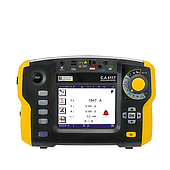
What is a potentiometer and why is it important?
Since school days, many people have likely heard about potentiometers. Simply put, a potentiometer is a type of resistor whose resistance value can be adjusted. This resistance can be varied within a specific range. Thanks to this adjustability, potentiometers allow precise control of current or voltage flowing through a circuit as required..
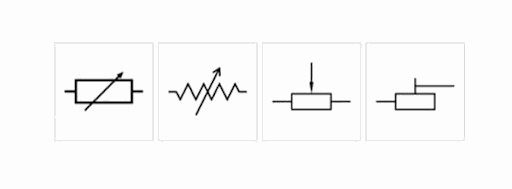
In circuit diagrams, potentiometers are usually represented by a zigzag line or rectangle with an arrow pointing toward it, symbolizing the adjustable value. Due to their flexibility and importance, electrical technicians, engineering students, and industrial maintenance personnel must clearly understand and answer the question “what is a potentiometer” before working with electrical systems.
Basic structure of a potentiometer
To fully understand what a potentiometer is, we need to look at its internal structure. A typical potentiometer consists of three main components:
Resistive element: Made from high-resistivity materials such as nickel-chromium alloy or carbon.
Wiper: A movable contact that slides along the resistive element.
Terminals: Usually three terminals, with the middle terminal connected to the wiper.
The operating principle of a potentiometer is directly related to the relationship between resistance and conductor length. When the wiper moves, the length of resistive material included in the circuit changes, thereby altering the total resistance value.
This allows users to adjust circuits smoothly and continuously, rather than simply turning them on or off like a conventional switch. This is the fundamental principle behind how potentiometers function in real-world applications.
Common types of potentiometers available today
When learning what a potentiometer is, you will find that there are several types depending on the intended application.
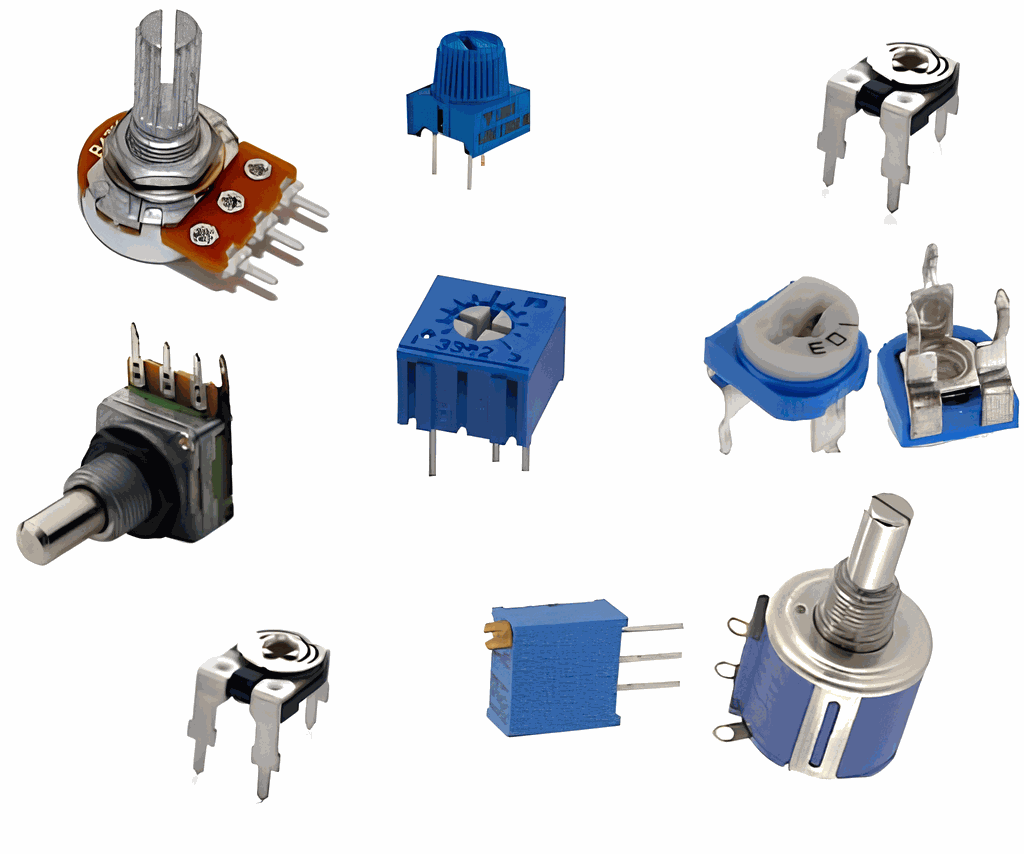
Rotary potentiometers are the most familiar type, commonly found in volume knobs on speakers, amplifiers, or radios. Slide potentiometers are often used in laboratory equipment or industrial control panels. Meanwhile, trimmer potentiometers are smaller and designed for precise calibration on circuit boards, and they are rarely adjusted after installation.
Practical applications of potentiometers in daily life and industry
Practical applications of potentiometers in daily life and industry
If you are still wondering what a potentiometer is and whether it is truly necessary, simply observe devices around you. Volume controls, light dimmers, fan speed controllers, and motor control systems in factories all use potentiometers to varying degrees.
In industrial environments, potentiometers are also integrated into control circuits, sensors, and automation systems where high precision and stability are required.
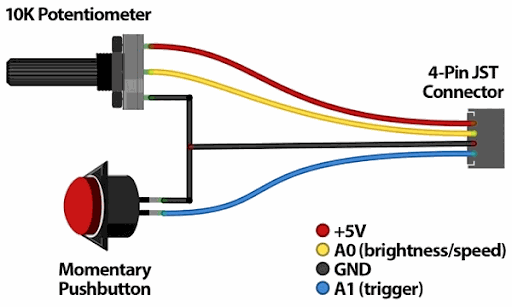
How to accurately measure and test a potentiometer
After understanding what a potentiometer is, determining whether it is functioning properly is extremely important. To perform this task, users need specialized resistance measurement instruments.
For quick repair needs, handheld digital multimeters are the most common choice. Simply switch the meter to the Ohm measurement mode, place the probes on the middle terminal and one outer terminal of the potentiometer, and rotate the adjustment shaft. If the resistance value changes smoothly and consistently, the potentiometer is functioning correctly.
In laboratories or production lines where precise component analysis is required, benchtop multimeters are preferred. Their high resolution and measurement stability help detect early signs of poor contact or minor deviations when evaluating potentiometer performance.
Why choose measurement equipment from reputable manufacturers?
Accurately determining component parameters—especially when testing potentiometers in critical systems—requires highly reliable measurement equipment. Reputation brands in electrical measurement such as Fluke, Kyoritsu, and Keysight are among the top choices in today’s market.
In particular, Keysight has set a completely different standard in measurement technology. If you need deeper analysis of potentiometers in laboratory environments, Keysight benchtop multimeters with proprietary Truevolt technology can eliminate noise and significantly reduce measurement errors. One of Keysight’s greatest strengths is its ability to perform 4-wire (Kelvin) measurements, eliminating lead resistance and ensuring absolute accuracy even at extremely low resistance levels. Furthermore, with ultra-fast sampling rates and graphical trend display features, Keysight instruments can instantly detect mechanical wear inside potentiometers through even the smallest signal fluctuations.
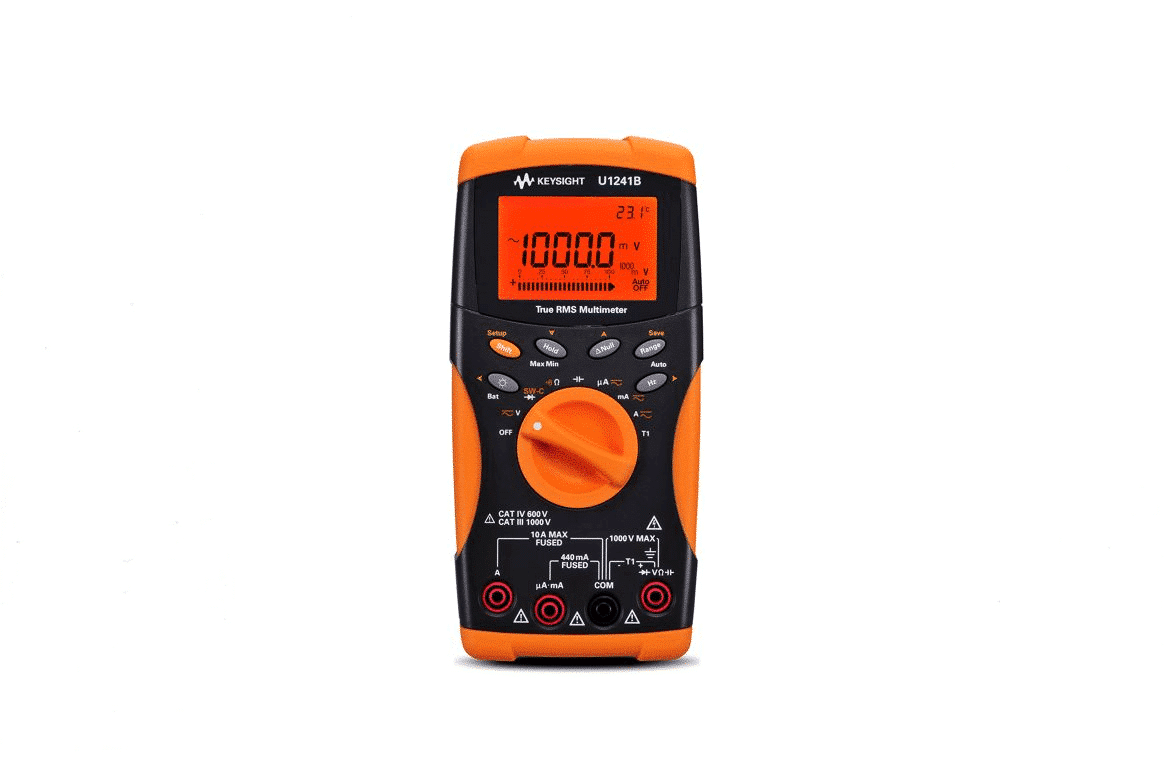
In Vietnam, EMIN is a key distributor providing Keysight solutions, ensuring customers have access to genuine equipment of the highest quality. Accurately determining potentiometer parameters using reliable equipment not only protects circuits but also saves time in maintenance and repair.
Through this article, you now have a clear understanding of what a potentiometer is, including its structure, operating principle, applications, and accurate testing methods. Whether for education, repair work, or industrial production, mastering potentiometer knowledge and using the right measurement tools will help ensure system stability and safety.