
For full functionality of this site it is necessary to enable JavaScript.
EMINKH.COM
0

What is a water dissolved oxygen meter? Application, operating principle and structure of the machine

06/18/2024 10:12:44

A water dissolved oxygen meter is a device used to test water quality in hydroponics, aquaculture, and water production. So what principle does this device operate on and what is its structure? Below EMIN will answer this question!

What is dissolved oxygen DO

Oxygen is life on earth. Humans need oxygen to breathe, and aquatic creatures such as shrimp and fish also need oxygen to breathe. If the dissolved oxygen (DO) concentration in water is too low, it will affect the respiratory process of these organisms.

 DO levels naturally change based on factors such as temperature, turbidity, and breakdown of substances in the water. DO is usually measured in mg/L or ppm units.

Concept of dissolved oxygen meter

DO meter (water quality meter), is used to measure the amount of dissolved oxygen in water. This type of machine uses an advanced optical system or electrodes similar to pH, TDS, EC meters to perform DO measurements.

What is the structure of the meter?
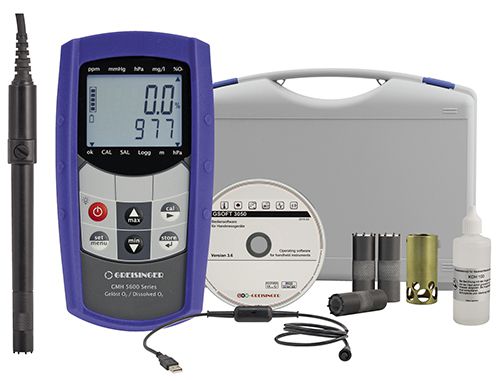
The DO dissolved oxygen meter has a basic structure including the following parts:

- Case: Protects the device and shapes its shape, helping users easily distinguish brands and models.

- DO measuring part: For optical measuring machines, this is the optical system, while conventional machines use a DO measuring probe.

- Electronic circuit: Processes information from the user through the function keys and from the sample through the measuring unit, then encodes and displays the results on the screen.

- Function keys: Receive information from the user and transmit it to the electronic circuit to set up and control the machine.

- Screen: Displays measurement results.

You can refer to some oxygen meters such as: Dissolved oxygen (DO) Hanna HI9142, DO dissolved oxygen mete Milwaukee MW600,...

What is the operating principle of the machine?
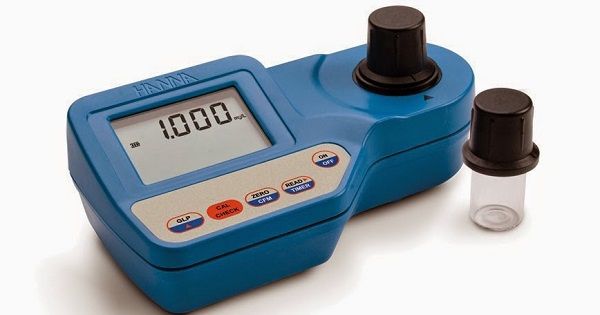
Optical measuring machine:

Photometers use an optical system to measure dissolved oxygen. The machine works on the principle that light is absorbed by a complementary color and the emitted radiation depends on the concentration. When a reagent is added to a water sample, it reacts with the water sample. The optical system then measures the reaction level and converts it to DO concentration.

The machine uses probes:

The device uses a DO measuring probe that operates based on electrochemical principles. The probe uses an electrode where dissolved oxygen (DO) reacts with the cathode to produce an electric current. The higher the partial pressure of oxygen in the water, the more oxygen diffuses through the membrane of the electrode. This current and pressure meter converts and measures the DO concentration of a solution

With the above information, we hope you have a better understanding of the structure and operating principles of the water dissolved oxygen meter. If you have any questions or concerns, please contact us for support via EMIN fanpage or chat with sales at emin.vn website.

Related News

Which products are tested using a -40°C to +150°C thermal shock chamber?
07/22/2026 14:45:25

Automotive circuit boards, sensors, modules, and plastic components can all experience issues after repeated transitions between cold and hot environments. A thermal shock chamber operating from -40°C to +150°C enables the replication of these temperature fluctuations under controlled testing conditions.

Does thermal shock cause damage to electronic components?
07/22/2026 10:40:49

An electronic component may operate stably under constant temperature conditions yet fail after repeated rapid transitions between hot and cold. The issue typically stems not from a specific temperature level, but rather from the rate of temperature change and the number of hot-cold cycles

The rigorous standards behind a multi-million-dollar MRI suite
07/21/2026 14:54:01

An MRI system may be correctly installed and fully connected to the power supply, yet still encounter issues if the surrounding environment fails to meet technical specifications. Electromagnetic interference, RF shielding, power quality, grounding, temperature, humidity, and particulate levels are all factors that may require assessment, depending on the facility's design and the manufacturer's requirements.

Sinusoidal and Random Vibration: A Test Setup Guide for Industrial Engineers
07/21/2026 10:30:38

During the operation of industrial machinery or the transportation of goods, persistent mechanical vibrations inevitably occur; these are a primary cause of material fatigue, loosened connections, and cracking in printed circuit boards (PCBs). To ensure product integrity before delivery to customers, R&D and QA/QC engineers must simulate these dynamic forces using vibration test systems.

Capacities of laboratory centrifuge tubes
07/20/2026 13:55:40

Tubes with capacities of 0.2 ml, 1.5 ml, 15 ml, or 50 ml are commonly found in laboratories, yet each type is associated with specific sample categories and equipment configurations. DNA and RNA samples typically require small-volume microtubes; blood and cell samples often utilize 5 ml or 15 ml tubes; while large-volume processing workflows may require tubes of 50 ml, 100 ml, or greater capacity

Stay Updated with Offers

Get exclusive volume discounts, bulk pricing updates, and new product alerts delivered directly to your inbox.

By subscribing, you agree to our Terms of Service and Privacy Policy.

Quick Support

Direct access to our certified experts