Thermal cameras see through walls as rumored?
The correct answer is "No", thermal cameras cannot see through walls or any solid objects. Many people misunderstand that thermal cameras can see temperature through walls, but in reality, it can only record thermal images on the surface of objects.
Thermal cameras operate on the principle of thermal sensing, capturing infrared radiation and creating thermal images. However, heat radiation cannot penetrate walls or solid objects, so camera sensors cannot receive it. So, thermal cameras help you see thermal images on surfaces, just like how X-ray machines work with external images.
Even though it cannot see through walls, thermal cameras are still used in many fields such as checking electrical and mechanical systems, detecting heat leaks and many other applications, helping users quickly check and repair. , effective.
What is a thermal camera?
Thermal imaging camera (TIC/Thermal Imaging Camera), also known as infrared camera, thermal imaging camera, infrared temperature meter, is a device that uses infrared radiation to create thermal images. Unlike conventional cameras that operate at wavelengths of 400-700 nm, thermal cameras operate at wavelengths as long as 14,000 nm.
To better understand the concept of what a thermal camera is, please take a look at: What is a thermal camera? What thermal cameras can do
Thermal camera's ability to see through darkness
Although it cannot see through walls or any solid objects, here are the super special features that I want to share, first of all the thermal camera's ability to see through the dark. In low light or dark environments, thermal cameras still work effectively and display clear thermal images. This is because it captures infrared rays instead of regular light. That's why thermal cameras are trusted by security forces and police around the world. While conventional surveillance cameras cannot work well in the dark, thermal cameras can easily detect and display images of people if not obscured by solid objects. This helps detect criminals lurking in the dark, improving security and surveillance effectiveness.
Ability to see through smoke and dense fog
Especially in smoky and foggy environments, thermal cameras can still record thermal images and measure temperature accurately. To do so is thanks to the ability to operate in two infrared wavelength bands: long wavelength (LWIR) and medium wavelength (MWIR). With short wavelengths from 1.4 to 3 µm, long wavelengths from 3 to 8 µm and medium wavelengths from 8 to 15 µm, thermal cameras can detect infrared rays from most objects on earth. This is why thermal cameras can see through smoke and fog, providing effective temperature monitoring and measurement in harsh conditions.
The hotter objects are, the more electromagnetic radiation they emit. Smoke and fog have wavelengths much smaller than the wavelength of infrared rays, so infrared radiation from hot objects cannot be blocked. This helps the thermal camera see through smoke and fog, allowing you to accurately observe and measure temperature even in the most difficult weather conditions.
Wide application of thermal cameras
ĐOverview of thermal camera applications. Nowadays, thermal cameras have become much more modern with advanced technology and wireless connection features via Wifi and Bluetooth. In particular, the integration of thermal cameras into drones has expanded their applicability.
Here are some common applications of thermal cameras:
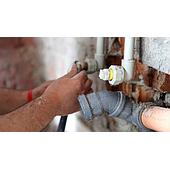
- House inspection: HVAC system, water leak detection.
- Electrical check: Locate errors, overheating or check before repair to avoid affecting the electrical system.
- Police force: Detected the suspect hiding in the dark.
- Security monitoring: Effective monitoring at night.
- Medical and veterinary: Measure human or animal body temperature.
Refer to products in the EMIN thermal camera category
Conclude:
We can see that Thermal Cameras cannot see through walls but instead can be used for many different purposes. For more information and advice on thermal imaging cameras, contact EMIN today.