Why Are Japanese Levels Considered the Gold Standard in Mechanical Engineering?
It is no coincidence that CNC workshops and calibration laboratories in Vietnam prioritize Japanese products. A key advantage lies in their rigorous metallurgical processes.
The body of these levels is typically made from specially cast iron, which undergoes stress-relief heat treatment to eliminate internal stresses. This ensures the tool maintains its shape over time without warping or distortion.
Today’s market features several prominent Japanese brands such as RSK, Mitutoyo, Niigata Seiki, and Obishi. These brands offer a wide range of products across different price segments. You can refer to various models to compare traditional spirit levels and digital levels with products from other countries.
Detailed Comparison of Japanese Nivo Brands
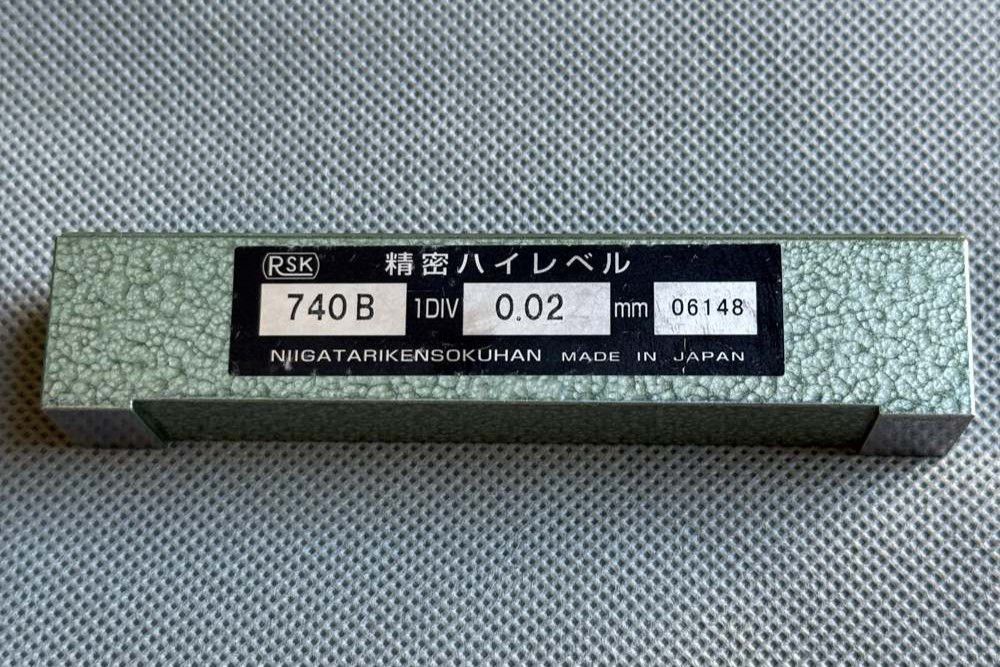
1. RSK – The “King” of Precision Spirit Levels
RSK specializes in square levels and bar levels with extremely high accuracy, ranging from 0.02 mm/m to 0.01 mm/m.
- Pros: Highly stable bubble sensitivity, thick cast iron body, excellent impact resistance for heavy industrial environments.
- Cons: Mainly mechanical models, requiring user experience to read results accurately.
2. Mitutoyo – The Pinnacle of Digital Measurement Technology
Mitutoyo is not only famous for micrometers and calipers but also highly successful with compact and digital levels.
- Pros: Sharp LCD display, data connectivity (SPC), modern ergonomic design.
- Cons: Higher price range, more suitable for QA/QC environments requiring digital data management.
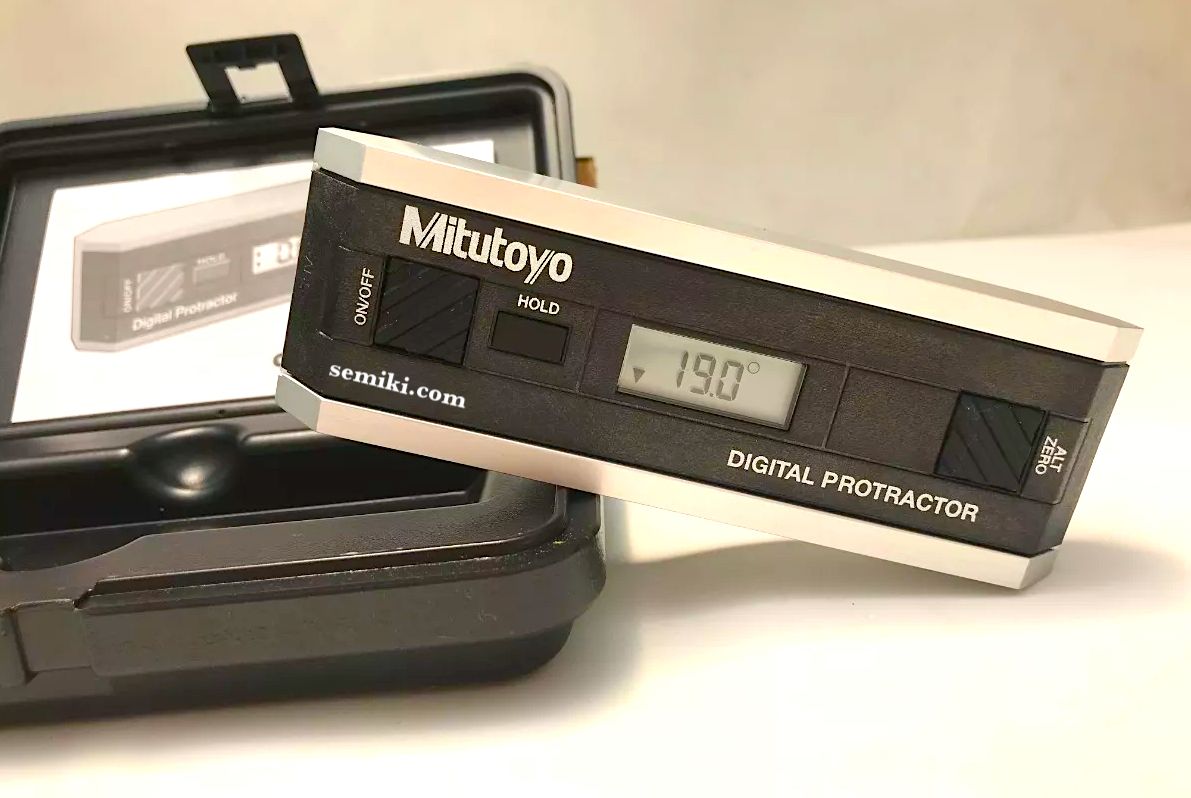
3. Niigata Seiki – The Perfect Balance of Quality and Price
If Mitutoyo represents advanced technology and RSK stands for long-standing heritage, Niigata Seiki (NS) is the “go-to” choice, especially for medium to large mechanical workshops.
- Pros: User-friendly design, stable cast iron construction, competitive pricing. Offers many compact models, making it easy for businesses to equip entire technical teams.
- Cons: Digital models may lack advanced software connectivity compared to Mitutoyo, but still fully meet industrial standards.
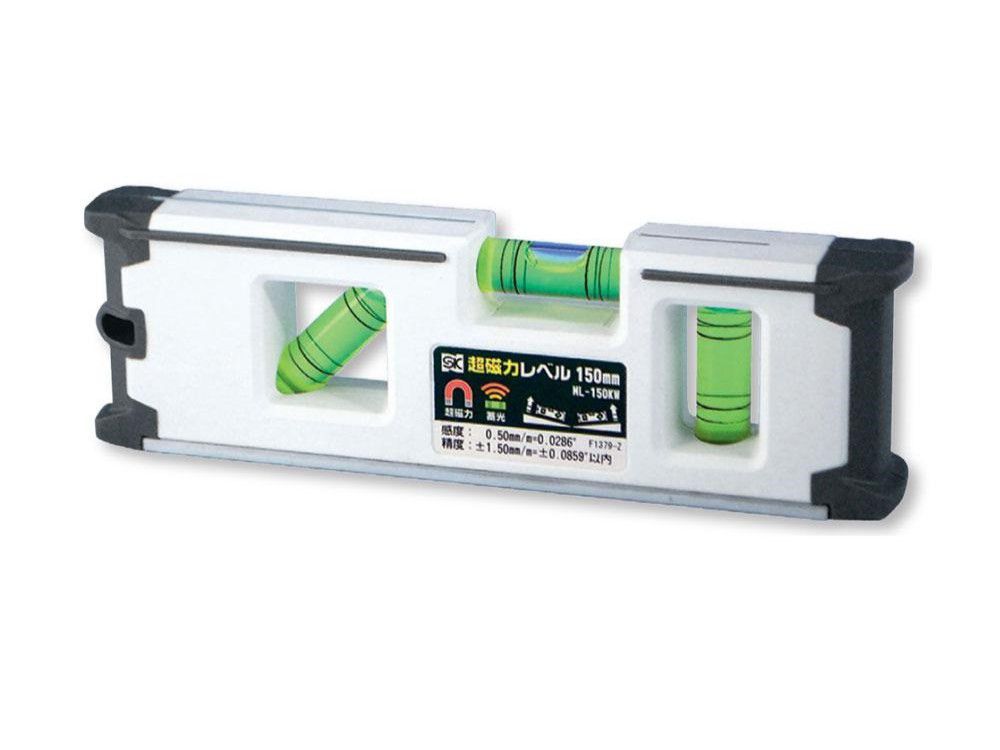
Buying Guide: Should You Choose RSK, Mitutoyo, or Niigata Seiki?
Your choice depends largely on budget and intended use:
If you need a durable, heavy-duty tool for rough workshop environments → RSK is the top choice.
If you require high-precision reporting and digital data integration → Mitutoyo is ideal.
If you want a cost-effective, reliable solution for general use → Niigata Seiki is the best fit.
To ensure you purchase genuine products with full calibration documentation, you can explore nivo (level) products and order directly from EMIN for professional technical consultation.
Mini Spirit Levels – A Practical Solution from Japanese Brands
In many situations, engineers cannot fit a 200mm frame level into tight machine spaces. This is where compact (mini) levels from Japan become extremely useful.
With sizes ranging from 100mm to 150mm, these small tools still maintain high accuracy levels of 0.02 mm/m—something low-cost products cannot achieve.
They are widely used for leveling roller shafts, conveyor systems, and components in printing or electronic manufacturing lines.
See more: Applications of digital levels in machine tool alignment and industrial flatness controlHow to Check Accuracy of a Japanese Level After Purchase
Even with a brand-new product, you should perform a 180-degree reversal test:
Place the level on a flat surface and record the reading (bubble position or digital value).
Rotate the level 180 degrees at the same position.
- If the readings match → the level is accurate.
- If there is deviation → adjust the zero point using the side calibration screw.
Frequently Asked Questions
Do Japanese levels lose their bubble quality over time?
No. The bubble liquid used by Japanese manufacturers is specially formulated to resist discoloration and separation, with durability lasting decades.
Why are cast iron levels more expensive than aluminum ones?
Cast iron offers far superior dimensional stability. It does not shrink or deform under sudden temperature changes, unlike aluminum.
Investing in a Japanese spirit level means investing in reliability and precision for your business.
Hopefully, this comparison has helped you identify the most suitable product for your needs. Don’t hesitate to contact EMIN for further consultation and support!