
08/12/2026 14:21:43
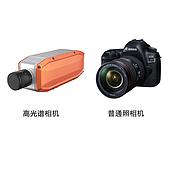
Multispectral cameras capture spectral data across multiple wavelengths, whereas standard cameras primarily serve to record visual images.
Multispectral cameras capture spectral data across multiple wavelengths, whereas standard cameras primarily serve to record visual images.
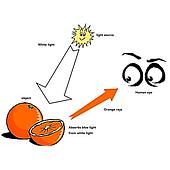
Color measurement can be performed through visual observation or with the use of measuring instruments. Regardless of the method, it is important to clearly define the sample being evaluated, the viewing or measurement conditions, the comparison criteria, and how the resulting data will be interpreted.
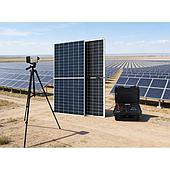
A practical guide to matching EL detector pixel count with photovoltaic module inspection needs, defect visibility requirements, and inspection workflows.
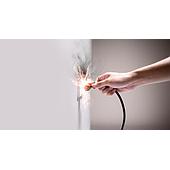
Multimeters can still measure small currents, but only up to a certain limit. When the current drops to the µA or nA range—or lower—the device's resolution, background noise, and stability begin to directly affect the results. This is when a picoammeter or a specialized current-measuring instrument is required
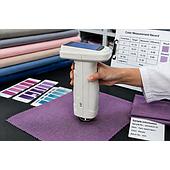
Metamerism can cause fabric samples to appear color-matched at the factory but show noticeable color differences in stores or under natural daylight. Evaluating colors under multiple light sources helps control this risk by providing objective color data standard.
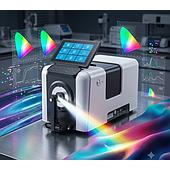
Colorimeters help convert subjective color assessments into measurable, comparable data, enabling early detection of color deviations and supporting consistent color control throughout multiple stages of production.
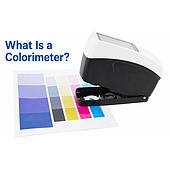
A practical overview of colorimeters, from tristimulus measurement and color difference data to routine quality-control applications.
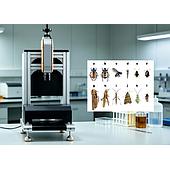
A reported wheat-field study illustrates how hyperspectral imaging can capture insect spectral differences and support machine-learning-based pest classification.
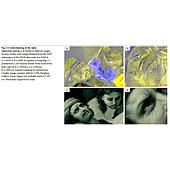
In quality inspection and material analysis, a multispectral camera captures surface images and records spectral information at each pixel. The acquired data can help identify material or structural differences that are difficult to detect with the naked eye, analyze subtle details, and store data for further research.
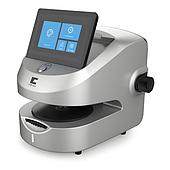
Fabric UPF is shaped by the combined effects of color, density, weave or knit construction, and fiber material. Understanding these variables helps textile teams make more informed development and quality-control decisions.
Get exclusive volume discounts, bulk pricing updates, and new product alerts delivered directly to your inbox.
By subscribing, you agree to our Terms of Service and Privacy Policy.
Direct access to our certified experts