
10/03/2026 09:42:11
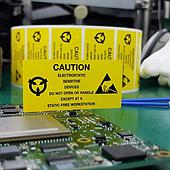
ESD-safe torque tools address static-charge risks that can affect sensitive electronic assemblies. Grounded, conductive tool designs support ESD control while applying the required fastening torque.
ESD-safe torque tools address static-charge risks that can affect sensitive electronic assemblies. Grounded, conductive tool designs support ESD control while applying the required fastening torque.
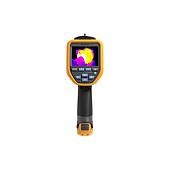
In industrial plant operations and energy infrastructure, issues such as overload, short circuits, or performance degradation frequently stem from increased contact resistance, material wear, or electromechanical anomalies. The application of thermal imaging cameras allows for non-contact infrared radiation measurement, converting thermal energy into an intuitive color map to detect anomalies early while the system is operating under load.
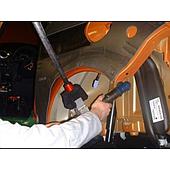
Assembly ergonomics starts with workstations that accommodate different operators. Torque arms can position compatible electric or pneumatic tools perpendicularly to help limit side loading and cross-threading.

Reliable torque control combines application-appropriate tools, scheduled calibration, preventive maintenance, and routine testing to manage fastening consistency.
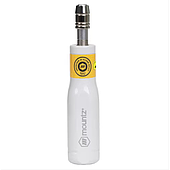
ESD-safe torque screwdrivers combine electrostatic-discharge control with controlled fastener tightening. They are useful when assembling circuit boards, microprocessors, sensors, and other static-sensitive electronic components.
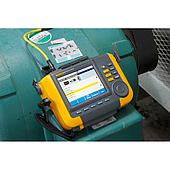
Loosening or wear never happens overnight; it always stems from minor degradations over time. If the maintenance team waits until mechanical noise is emitted or bearings overheat before intervening, the production line already faces the risk of unexpected downtime and massive repair costs.
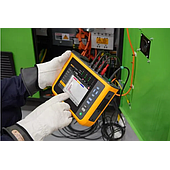
Power quality analysis is the process of measuring, monitoring, collecting, and evaluating electrical power parameters (such as voltage, frequency, and waveform) to determine whether they are stable and within acceptable limits
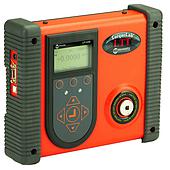
Precision torque control supports assembly quality by matching torque requirements to the joint, verifying tools regularly, and maintaining consistent work practices.
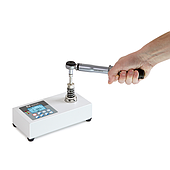
Effective bolted-joint tightening depends on calibrated torque control, torque values informed by joint testing, and a tightening sequence that distributes preload evenly. Washer fit, flange fasteners, gasket relaxation, and embedding also affect preload retention.
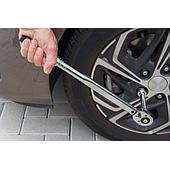
Automotive torque calibration tools help shops check torque-wrench performance where work is done. On-demand testing can support wheel-service process control, reduce reliance on periodic checks, and reinforce correct torque practices.
Get exclusive volume discounts, bulk pricing updates, and new product alerts delivered directly to your inbox.
By subscribing, you agree to our Terms of Service and Privacy Policy.
Direct access to our certified experts