For full functionality of this site it is necessary to enable JavaScript.
EMINKH.COM
0

Factors affecting the electrical conductivity (EC) in soil

04/11/2026 09:31:50

According to specialized literature, the electrical conductivity (EC) of soil is typically between 0.2 and 1.2 mS/cm. This is the range within which plants can absorb nutrients relatively stably. When it falls below this threshold, the amount of dissolved ions is insufficient, leading to nutrient deficiencies. When it exceeds this threshold, the salt content increases, affecting plant growth.

Electrical conductivity (EC) in soil is not constant but changes depending on the environmental conditions and characteristics of the soil. This article will clarify this.

Temperature and soil characteristics affect the electrical conductivity (EC) of the soil

The temperature of soil, water, and air directly affects the mobility of ions. As temperature increases, ions become more mobile, thus increasing the EC (Electrostatic Pressure) index. Conversely, as temperature decreases, ion movement slows down, and conductivity also decreases.
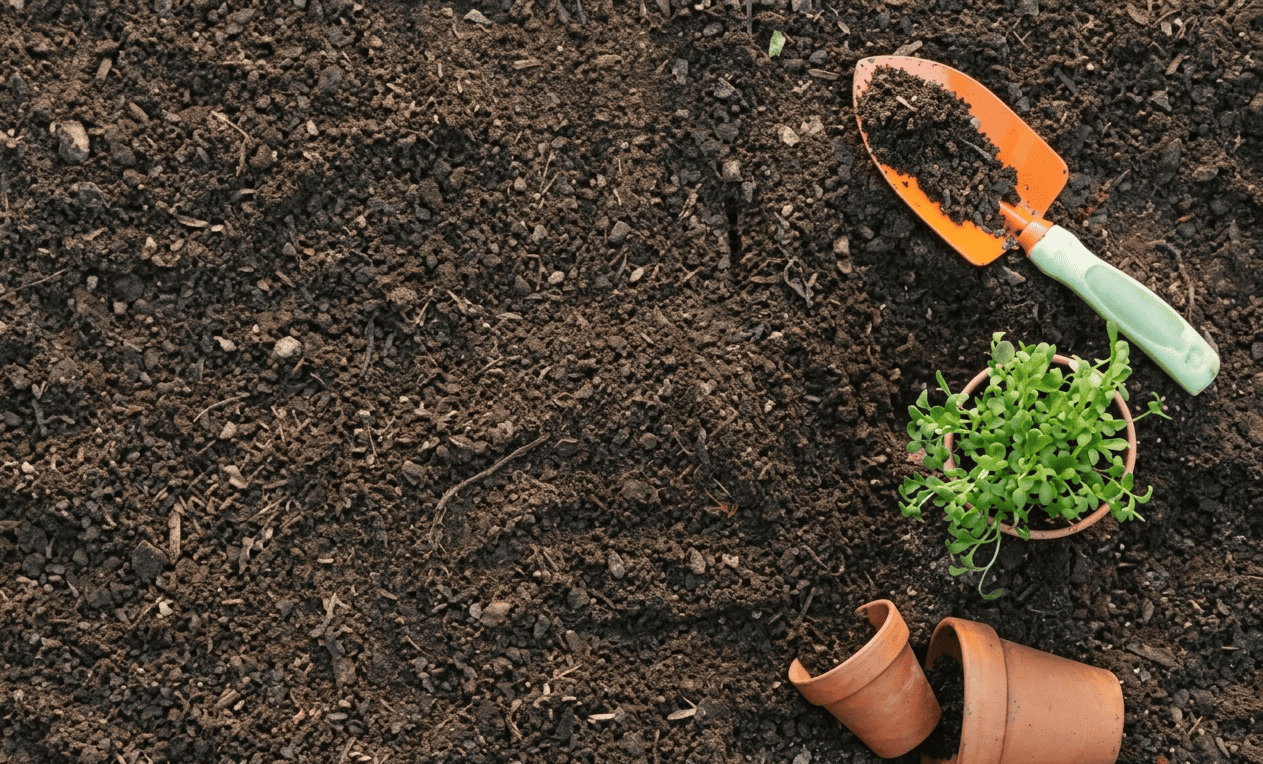
In addition, soil structure determines its water retention capacity and ion distribution. In dry conditions, ions are more tightly bound to soil particles, making movement difficult. With sufficient moisture, water helps dissolve and release ions, increasing conductivity.

Electrical conductivity depends on the type of substance and the degree of ion dissociation; this is analyzed in more detail in the article Ranking the Best Electrical Conductors Currently Available

Differences between soil types are also evident in the EC index. Sandy soils retain water poorly, so they usually have low EC. Clay or loamy soils retain moisture better, creating conditions for ions to exist and move, resulting in higher conductivity. Soils with balanced water retention and drainage capabilities tend to have more stable EC values.

Irrigation water, fertilizers, and soil depth alter electrical conductivity

Irrigation water carries dissolved substances that can alter the ion concentration in the soil. If the water contains a high salt content, conductivity will gradually increase over time. Conversely, rainwater or water sources with low mineral content can reduce salt concentration around the root zone.

Fertilizers directly supplement nutrient ions, thus significantly affecting EC. When used in high amounts, the accumulated salts in the soil will increase conductivity. If the threshold is exceeded, this excess can be detrimental to plants.

In addition, the depth of the soil layer also makes a difference in EC. The topsoil is usually rich in nutrients, suitable for root development. If the underlying soil contains a lot of clay or is near bedrock, the potential for ion accumulation may be higher, thereby altering conductivity.


Related News

Does thermal shock cause damage to electronic components?
07/22/2026 10:40:49

An electronic component may operate stably under constant temperature conditions yet fail after repeated rapid transitions between hot and cold. The issue typically stems not from a specific temperature level, but rather from the rate of temperature change and the number of hot-cold cycles

The rigorous standards behind a multi-million-dollar MRI suite
07/21/2026 14:54:01

An MRI system may be correctly installed and fully connected to the power supply, yet still encounter issues if the surrounding environment fails to meet technical specifications. Electromagnetic interference, RF shielding, power quality, grounding, temperature, humidity, and particulate levels are all factors that may require assessment, depending on the facility's design and the manufacturer's requirements.

Sinusoidal and Random Vibration: A Test Setup Guide for Industrial Engineers
07/21/2026 10:30:38

During the operation of industrial machinery or the transportation of goods, persistent mechanical vibrations inevitably occur; these are a primary cause of material fatigue, loosened connections, and cracking in printed circuit boards (PCBs). To ensure product integrity before delivery to customers, R&D and QA/QC engineers must simulate these dynamic forces using vibration test systems.

Capacities of laboratory centrifuge tubes
07/20/2026 13:55:40

Tubes with capacities of 0.2 ml, 1.5 ml, 15 ml, or 50 ml are commonly found in laboratories, yet each type is associated with specific sample categories and equipment configurations. DNA and RNA samples typically require small-volume microtubes; blood and cell samples often utilize 5 ml or 15 ml tubes; while large-volume processing workflows may require tubes of 50 ml, 100 ml, or greater capacity

How Much Does Atmospheric Pressure Need to Drop Before It Rains ?
07/20/2026 10:11:04

A barometric pressure meter (barometer) often detects changes in weather conditions before rainfall begins. As atmospheric pressure falls, the structure of the surrounding air mass is also changing. However, there is no fixed pressure threshold that guarantees rain will occur.

Stay Updated with Offers

Get exclusive volume discounts, bulk pricing updates, and new product alerts delivered directly to your inbox.

By subscribing, you agree to our Terms of Service and Privacy Policy.

Quick Support

Direct access to our certified experts