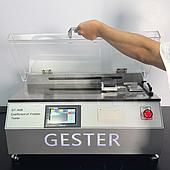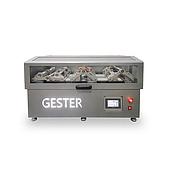
The GT-CN01 Nonwovens Strength Tester is designed for evaluating strength-related properties of flexible textile materials and bonded constructions. It supports tensile and peel testing for nonwovens, adhesive linings, hot melt adhesive linings, multilayer laminated fabrics, apparel lining-to-fabric bonds, and coating adhesion applications. For quality control, process development, and material research, these tests can help teams compare samples under consistently defined conditions.
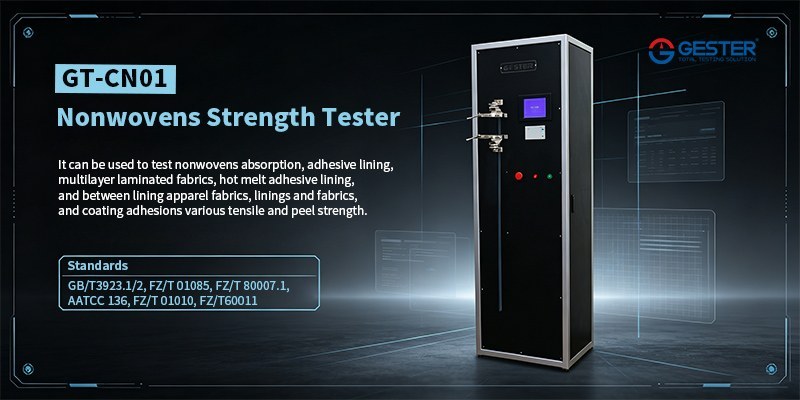
What the GT-CN01 Nonwovens Strength Tester Evaluates
Material performance is not defined by a single result. In bonded and laminated products, both the strength of the material and the integrity of the bond can affect product consistency. The GT-CN01 is intended for tensile strength and peel strength test work, allowing users to examine these properties across relevant nonwoven and composite-material samples.
Tensile testing can be used when assessing how a sample responds to a pulling force. Peel testing is relevant where two bonded layers need to be separated in a controlled manner, such as adhesive linings, laminated fabrics, or coated constructions. Using a defined procedure and comparable specimen preparation helps laboratories and production teams make more meaningful comparisons between batches, materials, or process settings.
Operating and Drive Features
Touchscreen operation
The tester is equipped with a touchscreen and an English human-machine interface. Operators can use the display for parameter setup, test mode selection, and real-time result viewing. This centralizes routine test controls and supports a more consistent workflow across operators.
Stepping servo drive system
The GT-CN01 uses a stepping servo drive system. Its reduction box is configured with synchronous belt deceleration, and the equipment has a vertical cabinet structure. These design elements are intended to support stable operation during testing.
Automatic clamping-distance positioning
After test parameters are set, the instrument can automatically position the clamping distance according to those settings. This function can reduce repeated manual adjustments and help maintain the selected test condition from one specimen to the next. It is particularly useful where multiple samples must be tested within the same evaluation plan.
Software and Test Data Workflow
The GT-CN01 is supplied with professional testing software and an online interface. The software is intended for viewing and analyzing test results, organizing material-performance data, and preparing standardized test conclusions based on the user’s work requirements.
Its sample-testing and data-processing workflow uses multi-thread processing technology so testing and data processing can proceed at the same time. For laboratories handling recurring sample sets, this can help shorten the overall workflow by reducing the wait between a completed test and the availability of its processed data.
Data should still be interpreted in the context of the selected method, sample condition, specimen dimensions, and test settings. A tester can provide structured results, but the quality team remains responsible for defining acceptance criteria and determining whether a result is suitable for the intended material application.
Typical Applications

Textile and apparel materials
In textile and apparel work, the instrument can be used to evaluate tensile and peel strength for adhesive linings and hot melt adhesive linings. It can also support assessment of bonding between apparel linings and fabrics, as well as coating adhesion.
Nonwoven and laminated material production
Manufacturers of nonwovens and multilayer laminated fabrics may use the GT-CN01 to compare strength performance among materials or production samples. The resulting data can support process review and material-development decisions when combined with a defined internal quality plan.
Inspection and research activities
Quality inspection departments, testing laboratories, and material research organizations may apply tensile and peel tests when verifying material behavior or conducting standards-related work. The source information lists GB/T 3923.1/2, FZ/T 01085, FZ/T 80007.1, AATCC 136, FZ/T 01010, and FZ/T 60011 in connection with the GT-CN01. Users should confirm the applicable method, configuration, and procedure for their specific testing requirement.
Choosing a Test Setup for Nonwoven Strength Work
Before establishing a test routine, identify whether the objective is tensile strength, peel strength, or evaluation of a specific bonded interface. Then define the material type, specimen preparation approach, clamping distance, and test parameters appropriate to the selected procedure. Consistent preparation and documented settings are essential when results will be compared over time.
The GT-CN01 Nonwovens Strength Tester combines touchscreen control, automatic clamping-distance positioning, a stepping servo drive system, and analysis software for organizations working with nonwovens and bonded textile materials. Its suitability should be assessed against the specific test method, sample format, and reporting needs of the laboratory or production operation.