For full functionality of this site it is necessary to enable JavaScript.
EMINKH.COM
0

How to maintain the ideal soil electrical conductivity (EC) index

04/11/2026 11:18:14

The EC index reflects the amount of dissolved salts present in the soil solution. When this level changes, the nutrient status and the root's absorption capacity also change. This is why EC is often monitored throughout the cultivation process.

High EC levels cause water loss, hinder absorption, and compact the soil

As EC increases, a pressure difference arises between the soil solution and plant roots, causing water to tend to move outwards. Plants struggle to retain water even when the soil remains moist, leading to reduced growth.

At high salt levels, nutrient absorption is also affected. Certain ions predominate in the soil solution, disrupting the balance and preventing plants from efficiently utilizing essential nutrients.

If this situation persists, soil particles tend to clump together. The soil becomes less porous, water penetration is difficult, root development is restricted, and nutrient access is reduced.

Irrigation and fertilization directly affect EC levels

Monitoring soil conditions at different stages helps identify changes in EC rather than relying solely on external indicators.

For soils prone to salt accumulation, increasing watering at certain times can reduce ion concentrations around the root zone. Conversely, if the soil is prone to leaching, watering should be divided into smaller amounts to maintain soil solution stability.

Fertilizer application should be adjusted according to the existing nutrient status. Instead of applying a large amount at once, it can be divided into several applications to limit sudden increases in EC.

Drainage, organic farming, and crop rotation help limit salt buildup

Poorly drained soils tend to retain more salt, causing EC (Electric Acid Level) to gradually increase over time. Improving aeration reduces the retention of excess ions.

Adding organic matter helps loosen the soil, maintain adequate water retention, and distribute ions more evenly. This leads to a more stable root zone environment with each irrigation and fertilization.

Crop rotation or the use of salt-tolerant plants also helps reduce salt buildup in the soil after several consecutive harvests.

EC levels to monitor during cultivation

Most crops thrive when the EC (Electricity Value) is between 0.5 and 3.0 dS per meter, depending on the crop type.

- Below 0.5 dS per meter, the soil is usually nutrient-deficient.

- Between 0.5 and 1.5 dS per meter is a suitable range for many common crops.

- Between 1.5 and 3.0 dS per meter, plant response needs to be monitored.

- Above 3.0 dS per meter, high salt levels can be detrimental to root growth.

Related article: Factors affecting the electrical conductivity (EC) of soil

Periodically measure EC using a handheld device

EC measurements are typically performed using specialized equipment, providing quick results and ease of operation. Models like the Hanna HI98331 are popular due to their ability to measure directly in the soil.
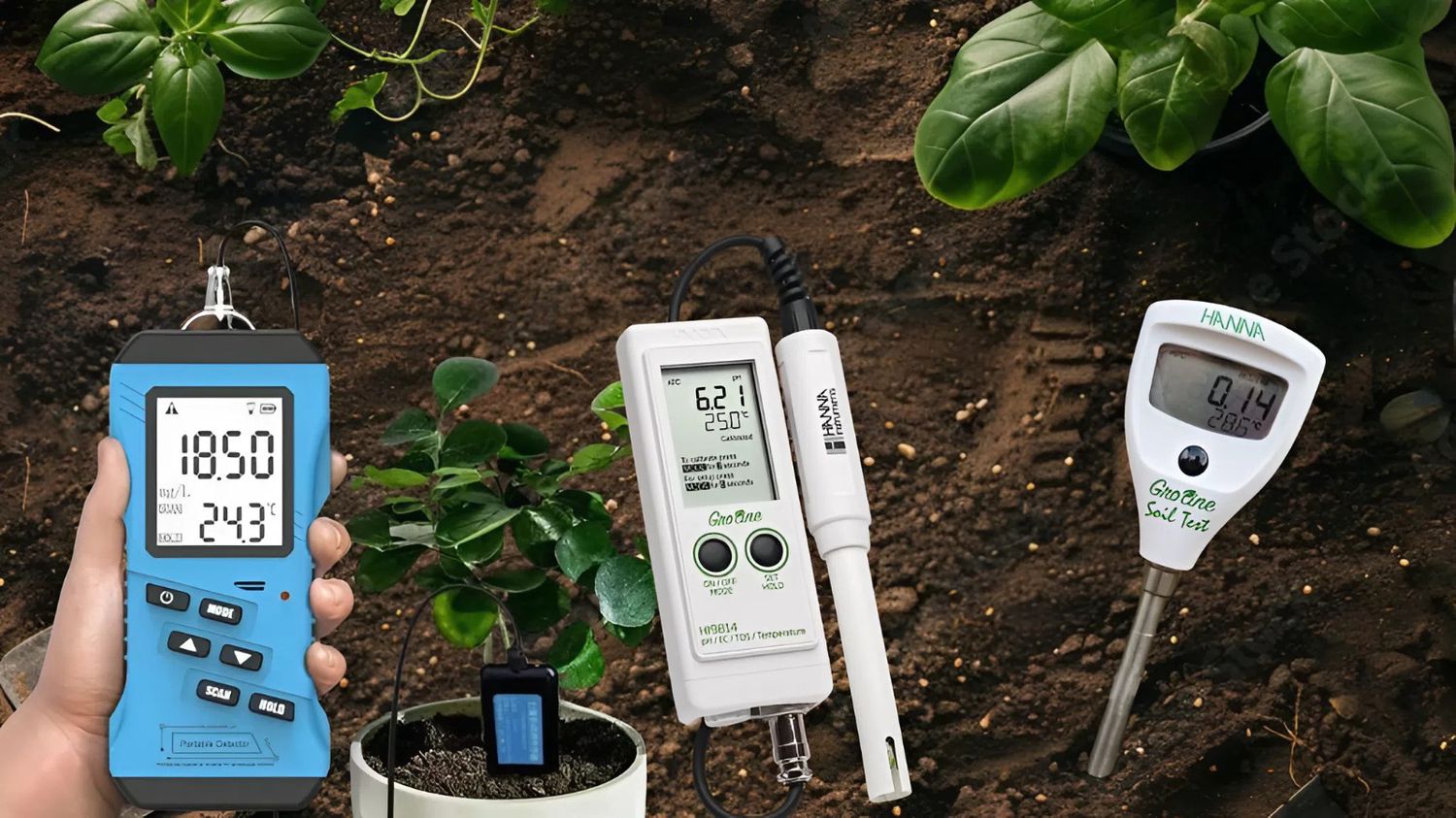
Monitoring periodically helps identify trends in soil changes, allowing for more appropriate adjustments to water and fertilizer levels at each stage.


Related News

Does thermal shock cause damage to electronic components?
07/22/2026 10:40:49

An electronic component may operate stably under constant temperature conditions yet fail after repeated rapid transitions between hot and cold. The issue typically stems not from a specific temperature level, but rather from the rate of temperature change and the number of hot-cold cycles

The rigorous standards behind a multi-million-dollar MRI suite
07/21/2026 14:54:01

An MRI system may be correctly installed and fully connected to the power supply, yet still encounter issues if the surrounding environment fails to meet technical specifications. Electromagnetic interference, RF shielding, power quality, grounding, temperature, humidity, and particulate levels are all factors that may require assessment, depending on the facility's design and the manufacturer's requirements.

Sinusoidal and Random Vibration: A Test Setup Guide for Industrial Engineers
07/21/2026 10:30:38

During the operation of industrial machinery or the transportation of goods, persistent mechanical vibrations inevitably occur; these are a primary cause of material fatigue, loosened connections, and cracking in printed circuit boards (PCBs). To ensure product integrity before delivery to customers, R&D and QA/QC engineers must simulate these dynamic forces using vibration test systems.

Capacities of laboratory centrifuge tubes
07/20/2026 13:55:40

Tubes with capacities of 0.2 ml, 1.5 ml, 15 ml, or 50 ml are commonly found in laboratories, yet each type is associated with specific sample categories and equipment configurations. DNA and RNA samples typically require small-volume microtubes; blood and cell samples often utilize 5 ml or 15 ml tubes; while large-volume processing workflows may require tubes of 50 ml, 100 ml, or greater capacity

How Much Does Atmospheric Pressure Need to Drop Before It Rains ?
07/20/2026 10:11:04

A barometric pressure meter (barometer) often detects changes in weather conditions before rainfall begins. As atmospheric pressure falls, the structure of the surrounding air mass is also changing. However, there is no fixed pressure threshold that guarantees rain will occur.

Stay Updated with Offers

Get exclusive volume discounts, bulk pricing updates, and new product alerts delivered directly to your inbox.

By subscribing, you agree to our Terms of Service and Privacy Policy.

Quick Support

Direct access to our certified experts