
Fabric cutting machine
Efficient material preparation has a direct impact on throughput, waste control, and downstream sewing or assembly quality. In textile production, accurate cutting is not just a standalone step; it influences how smoothly the rest of the workflow performs, from pattern consistency to final product appearance.
Fabric cutting machine solutions are used to improve repeatability, reduce manual effort, and support cleaner, more controlled cutting across different textile processes. Whether the goal is handling continuous production runs or improving precision for varied materials, choosing the right cutting equipment helps create a more stable and productive operation.
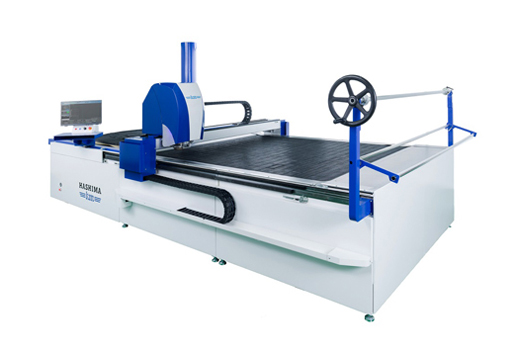
Why fabric cutting equipment matters in textile production
Cutting is one of the most sensitive stages in textile manufacturing because errors at this point are often carried forward into stitching, pressing, and finishing. A poorly matched machine can lead to uneven edges, material distortion, excessive scrap, or slower cycle times, especially when production includes different fabric weights or cutting patterns.
Using a dedicated machine for this stage helps standardize output and supports process consistency. For B2B buyers, this is especially important when evaluating equipment for production environments where repeatability, operator efficiency, and predictable material use are all part of daily cost control.
Typical applications and operating environments
Fabric cutting machines are used in a wide range of textile-related settings, including garment production, technical textile processing, upholstery work, and general material preparation lines. Depending on the workflow, they may serve as part of a batch process or be integrated into a more continuous production layout.
In many facilities, cutting equipment works alongside upstream and downstream auxiliary systems. For example, after cutting, materials may move to forming or finishing stages that rely on press machines to support shaping, bonding, or surface treatment steps. This broader view is useful when planning a balanced textile production line rather than selecting equipment in isolation.
How to evaluate a fabric cutting machine for your process
Selection should begin with the material itself. Fabric type, thickness variation, layer structure, and sensitivity to tension or fraying all affect the kind of cutting setup that is suitable. Buyers should also consider whether the operation focuses on straight cuts, repeated pattern work, or more variable job changes that require flexibility.
Another key factor is the expected production rhythm. A machine that performs well in low-volume or manually supervised work may not be the right fit for higher throughput environments. Reviewing working width, handling method, maintenance access, and operator interaction can help narrow down equipment that supports both cutting accuracy and practical day-to-day use.
Benefits of a well-matched cutting setup
When the machine aligns with the material and process, the benefits go beyond faster cutting. Many operations see improvements in edge quality, reduced operator fatigue, and more stable output across repeated production runs. These gains can help lower rework and simplify quality control further down the line.
A suitable setup also contributes to better material utilization. In textile manufacturing, even small reductions in waste can become significant over time, especially in large production volumes. This is why equipment choice should be assessed not only by immediate cutting speed, but also by its effect on material efficiency and line reliability.
Position of fabric cutting machines within auxiliary textile equipment
In practice, fabric cutting machines are part of a broader support ecosystem for textile production. They often connect operationally with handling, preparation, and finishing equipment that helps maintain smooth flow between stages. Understanding that context can make procurement decisions more effective, particularly for factories upgrading multiple process points at once.
Companies comparing related equipment may also review other textile industry auxiliary products to identify complementary solutions around the cutting stage. Looking at adjacent equipment categories can help reveal whether a bottleneck comes from the cutting step itself or from surrounding handling and support tasks.
What B2B buyers should consider before ordering
Beyond machine capability, purchasing teams should review installation space, operator skill requirements, service accessibility, and how the machine will fit into the current production sequence. These practical factors often determine whether a system performs well after delivery, not just during initial evaluation.
It is also useful to compare the cutting requirement with the broader mix of textile processing equipment already in use. In some facilities, a workflow may involve different preparation methods for different product lines, making it helpful to assess whether the cutting stage should be specialized, standardized, or supported by additional machinery such as a fabric cutting machine configured for specific production needs. Careful planning at this stage supports a more stable return on equipment investment.
Related equipment considerations for line planning
Textile manufacturers rarely optimize one process step in isolation. Cutting performance is closely tied to how materials are presented, transferred, and prepared before the next operation. If your production line includes multiple finishing or handling stages, it may be worth reviewing adjacent categories as part of a broader equipment strategy.
For instance, facilities handling a combination of cutting and forming tasks may compare solutions across pressing equipment and cutting systems to improve overall line balance. The right combination depends on production volume, textile type, and how tightly each stage must be synchronized.
Choosing with long-term performance in mind
Short-term output is important, but long-term usability is equally critical in industrial textile environments. A good selection process should account for operating stability, ease of routine maintenance, and the ability to support the actual mix of fabrics and production demands over time.
For businesses sourcing fabric cutting machine equipment, the most effective decision usually comes from matching the machine to real operating conditions rather than choosing on broad assumptions alone. With the right fit, cutting becomes a more reliable part of the production chain, helping improve consistency, reduce waste, and support smoother textile manufacturing overall.
Get exclusive volume discounts, bulk pricing updates, and new product alerts delivered directly to your inbox.
By subscribing, you agree to our Terms of Service and Privacy Policy.
Direct access to our certified experts