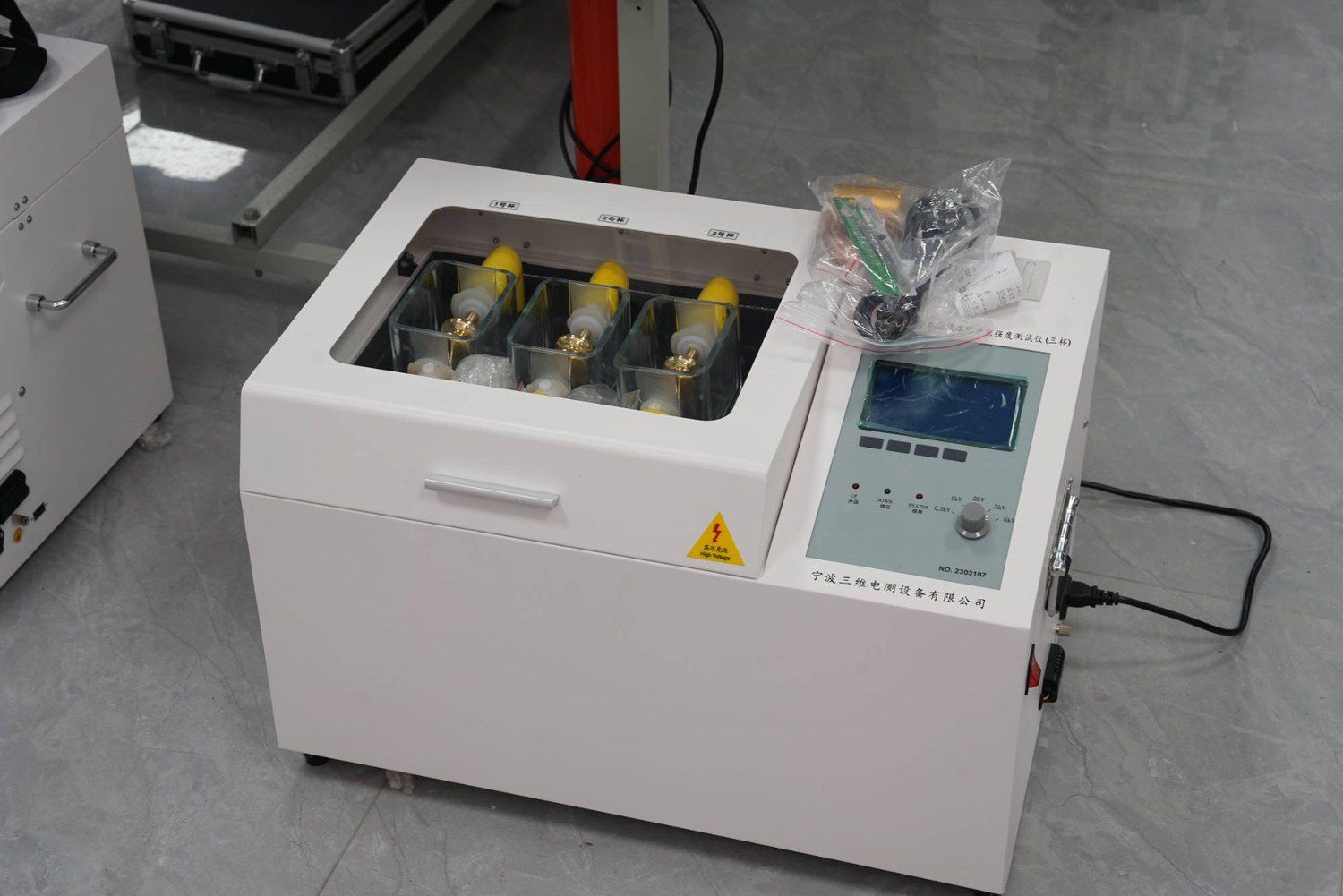
Insulation oil is an important insulating medium in equipment such as transformers and switchgear. The condition of the oil directly affects insulation performance, operational reliability, and equipment maintenance. Therefore, an insulation oil tester can help identify early signs of aging, quality deterioration, or contamination, supporting safer operation of electrical equipment.
Why Is Insulation Oil Testing Necessary ?
Insulation oil testing provides a more consistent approach to collecting condition data than visual inspection alone. Color, odor, or viscosity may indicate changes in the oil, but these observations cannot replace measurements of technical parameters.
When selecting a testing method, it is necessary to clearly define the parameters to be measured, the type of equipment in operation, and the actual operating conditions. An insulation oil tester with suitable functions can simplify the testing process while providing data for technical personnel to assess the oil condition.
During operation, insulation oil does not retain its original properties indefinitely. Exposure to temperature, moisture, electric fields, and conditions inside the equipment can cause oxidation or contamination. As insulation performance deteriorates, the risk of dielectric breakdown and equipment failure may increase.
Test results provide data for technical personnel to assess the oil based on individual parameters. This information supports evaluation of whether the oil remains suitable for current operating conditions, maintenance planning, and timely corrective action when abnormal changes are detected.
Common Parameters Evaluated
An insulation oil tester can be used to measure electrical properties and, depending on the equipment, certain physical and chemical characteristics of the oil. Commonly evaluated parameters include:
Breakdown voltage: Indicates the oil's ability to withstand an electric field. The value can be affected by the presence of water or contaminants.
Dielectric dissipation factor: Helps assess the dielectric properties of the oil and identify deterioration in oil quality.
Water content: Moisture is an important factor because it can reduce the dielectric strength of the oil.
Acid number: One of the parameters that can be used to monitor oxidation and aging trends.
Density and flash point: These parameters may be tested depending on the requirements of the oil sample assessment.
The condition of the oil should not be determined from a single parameter alone. Considering multiple test results together with the oil's service history and the operating conditions of the transformer oil testing equipment provides a more reliable basis for assessment.
Factors That Cause Insulation Oil Deterioration
Service Life
Insulation oil can oxidize and change its properties over time. As this process progresses, its dielectric performance may gradually decline. Regular monitoring is therefore important for tracking changes in oil condition.
Temperature, Moisture, and Electric Fields
High temperatures, high humidity, and strong electric fields can accelerate the aging process. These conditions should be considered when establishing an oil sampling and testing schedule.
Condition Inside the Electrical Equipment
Corrosion of metal components or aging of paper insulation materials inside the equipment can introduce substances that affect the oil. Oil test results can therefore also provide supporting information for monitoring the overall condition of the equipment.
Contaminants in the Oil
Water, dust, and material fibers can reduce the dielectric strength of insulation oil. Water is particularly significant because it may be present as droplets or a thin film, adversely affecting the oil's breakdown voltage.
Establishing an Appropriate Oil Testing Plan
A fixed testing interval should not be applied to every situation. The appropriate frequency depends on the type of equipment, the age of the oil, operating conditions, and previous test results. Equipment that has been in service for a long period or operates under harsh conditions may require a shorter monitoring interval.
To ensure that test data can be compared over time, the sampling procedure should minimize contamination and moisture ingress from external sources. Test results should also be recorded for each inspection so that changes and trends can be monitored rather than relying on a single measurement.
Frequently Asked Questions
How Does Moisture Affect Insulation Oil ?
Moisture can reduce insulation performance and affect breakdown voltage. Water may also contribute to deposit formation and accelerate the aging of paper insulation materials.
Does the Accuracy of an Insulation Oil Tester Matter ?
Yes. Measurement accuracy affects the reliability of test data. Consistent data provides an important basis for technical personnel to monitor oil condition and make appropriate assessments.
Can Insulation Oil Be Evaluated by Visual Inspection Alone ?
Observing color, odor, or viscosity can provide preliminary information but is not sufficient for a reliable assessment. More accurate evaluation requires a suitable insulation oil testing instrument and analysis of the measured parameters.