Available in mobile apps, YouTube videos, and specialized sound-generating devices, this unique type of noise is becoming increasingly popular. However, improper use—especially at the wrong volume—can backfire and even harm hearing. This article explains the nature of white noise and how to control it effectively using professional measurement devices.
The Nature of White Noise and Why It Helps Us Sleep Better
From a physical perspective, white noise is a type of sound created by combining all frequencies at equal intensity within the range of human hearing. It is similar in nature to white light, which is a combination of all colors in the visible spectrum.
White noise works based on the principle of sound masking. It creates a consistent background layer that helps the brain ignore sudden noises such as barking dogs, car horns, or doors slamming. This uniformity allows the nervous system to relax, making it easier to fall asleep or maintain deep focus while working.
Differentiating White Noise, Pink Noise, and Brown Noise
Beyond white noise, sound can also be categorized into other “colors” based on frequency distribution:
White noise: Brighter sound, similar to TV static or air conditioner noise.
Pink noise: Deeper and softer, like rainfall or rustling leaves.
Brown noise: Very deep and low-frequency, similar to waterfalls or distant thunder.
Regardless of the type, maintaining a safe volume level is crucial. Listening at high volumes for extended periods can turn any of these into harmful noise pollution rather than a helpful tool.
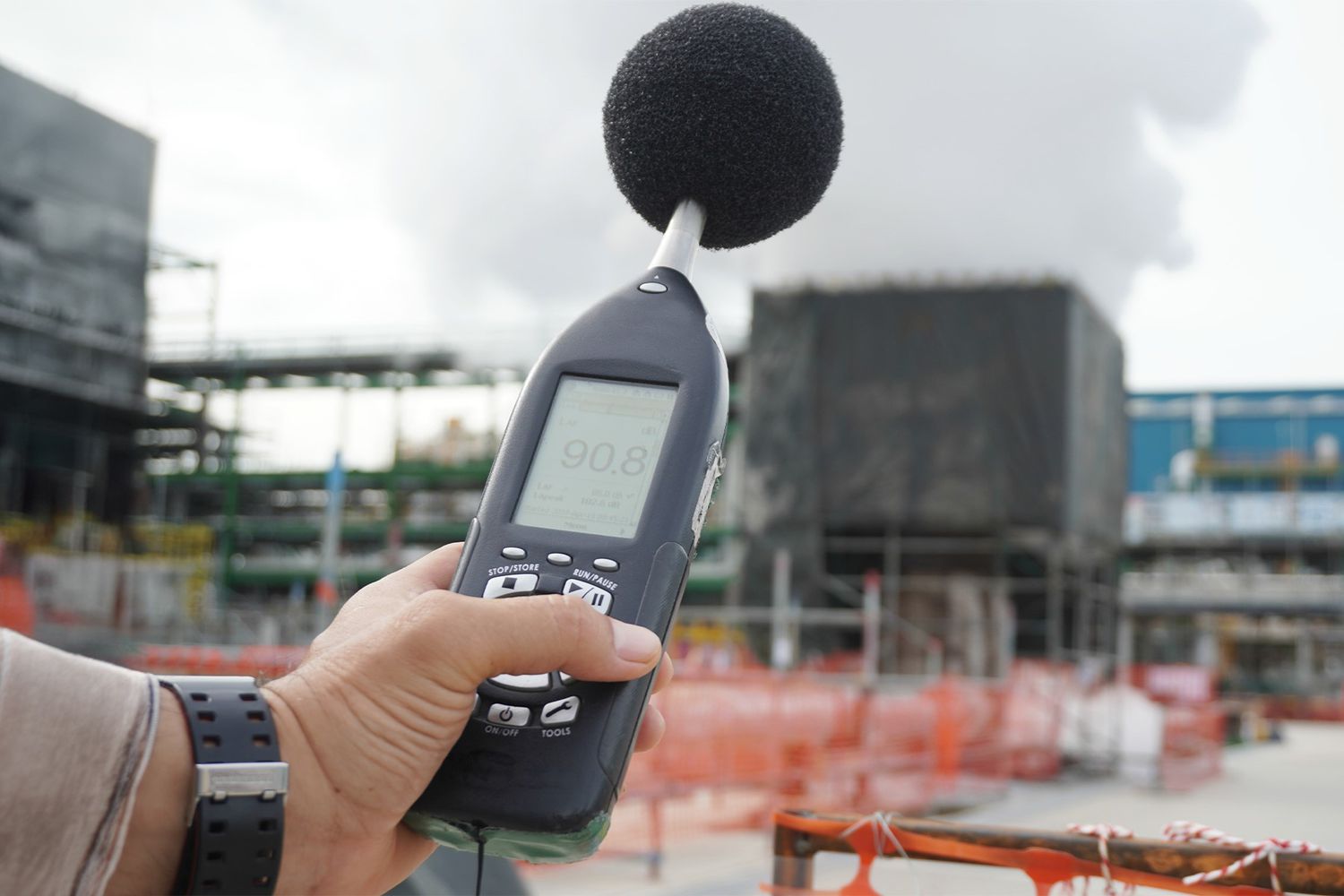
To check sound intensity, you should use a sound level meter to ensure it stays within safe limits (typically below 50dB for sleep).
Risks of Misusing White Noise
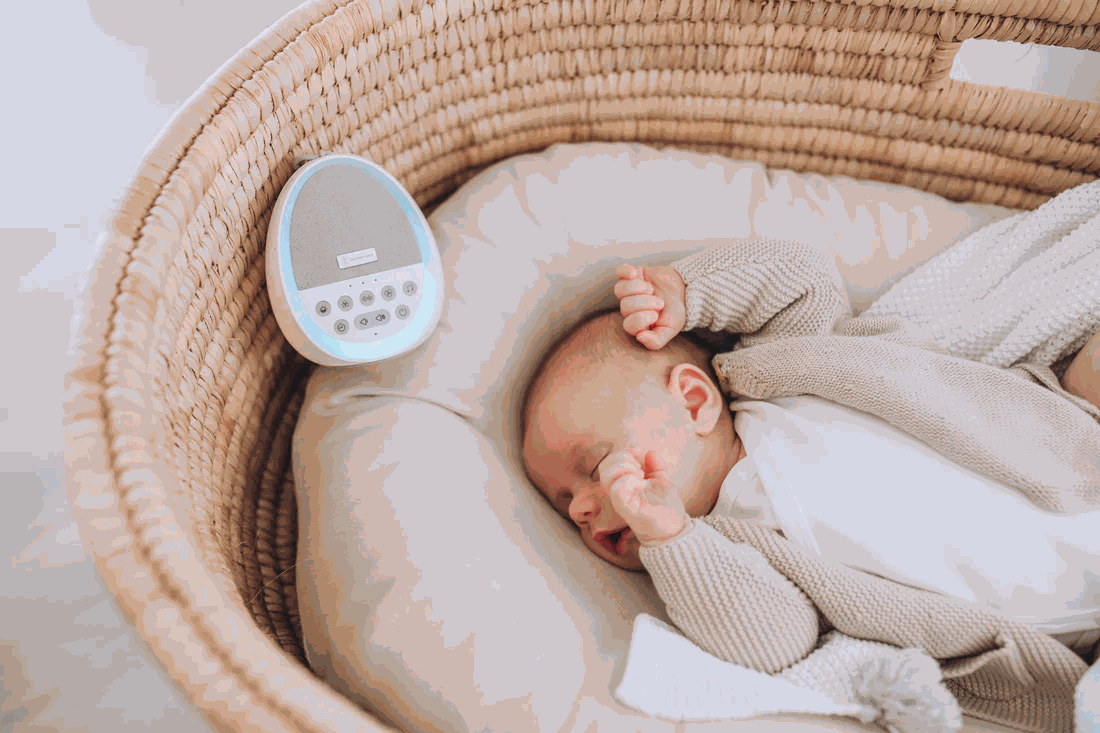
Many parents use white noise to help infants sleep, but excessive volume can negatively affect language development and damage their sensitive hearing.
A common mistake is placing the sound generator too close to the bed or setting the volume too high. To achieve a safe level (around 50dB), you should use professional measuring equipment and place the device at least 2 meters away from the ears. Sound level meters are essential tools for protecting family health and optimizing living environments.
Today’s market offers a wide range of sound level meters from well-known brands such as Chauvin Arnoux, INSIZE, Hioki, Omega, Senseca, and more.
Applications of Professional Sound Level Meters in Architectural Design
In architecture—especially in open office design or artistic spaces like theaters—controlling and creating an ideal acoustic environment is extremely important.
For offices, creating artificial background noise (sound masking) helps enhance privacy during meetings, protect sensitive information, and reduce employee stress.
In such cases, professional sound level meters play key roles:
Measuring white noise intensity at each workstation to ensure it masks distractions without causing discomfort.
Analyzing frequency spectra to ensure smooth, non-harsh sound that blends well with the environment.
Adjusting speaker systems to distribute sound evenly, avoiding dead zones or overly loud areas.
Controlling building acoustics: In specialized spaces like theaters, these devices help identify echo points or sound leakage, enabling precise solutions such as installing sound-absorbing or soundproofing materials.
White noise is a powerful tool—if used correctly and in moderation. It should not become a health risk due to improper volume control.
If you are looking for equipment to measure noise levels in your home, office, or construction projects, don’t forget to contact EMIN for detailed consultation.