Bin Vibrators
Flow interruptions inside bins, hoppers, chutes, and small silos can quickly affect production stability. When bulk solids bridge, rat-hole, compact, or cling to vessel walls, operators often need a practical way to restore movement without major changes to the process. Bin vibrators are widely used for this purpose, helping improve material discharge and reduce buildup in powder, granule, and bulk handling applications.
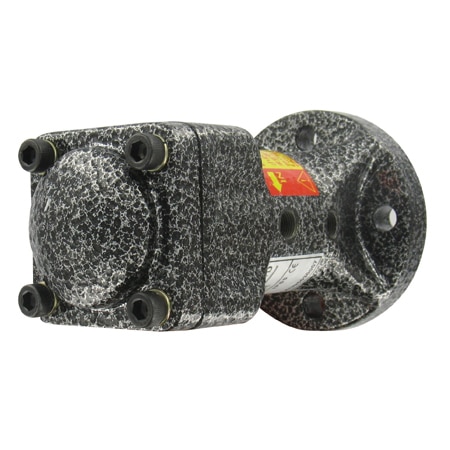
Where bin vibrators fit in bulk material handling
In many industrial systems, inconsistent flow is not just a convenience issue. It can influence feed accuracy, batching repeatability, cleaning frequency, downtime, and even the reliability of downstream equipment. A properly selected vibrator can introduce controlled motion into the vessel structure so material is less likely to hang up or compact at the outlet.
This category focuses on equipment used to support material flow control in bins and related vessels. These devices are commonly considered where operators see arching, bridging, wall buildup, or incomplete emptying. In broader level and storage systems, they are often used alongside instruments such as a level transmitter or a level controller to improve both visibility and discharge performance.
Common bin vibrator types in this category
The range includes several operating principles, each suited to different flow problems, installation constraints, and plant utilities. Pneumatic designs are often chosen where compressed air is readily available and rapid vibration response is required, while electric units may be preferred where simple electrical integration and low acoustic output are priorities.
Examples in this selection include pneumatic ball vibrators, roller vibrators, turbine vibrators, air-cushioned piston vibrators, impact air hammers, and electric bin vibrators. Rather than treating them as interchangeable, it is more useful to match the vibration style to the vessel geometry, material behavior, duty cycle, and site limitations such as air consumption, noise tolerance, and power availability.
Pneumatic options for responsive vibration and de-bridging
Pneumatic vibrators are often used in plants that already have compressed air infrastructure. They can be effective for breaking bridges, loosening compacted material, and encouraging flow in hoppers or transfer sections where product tends to stick or settle. Depending on the design, they may emphasize high frequency, impact action, or a balance between force and quieter operation.
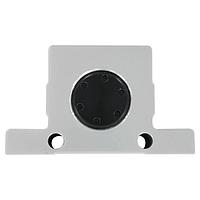
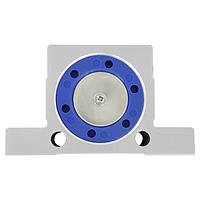
Within the Dwyer range shown here, the BPV-5 represents a pneumatic ball vibrator approach for material compaction and bridge-break duties. Roller styles such as PRV-1 and PRV-2 are positioned for material flow and concrete-related applications, while turbine models like PTV-2, PTV-5, and PTV-6 focus on high frequency operation with relatively low noise. Air-cushioned piston units such as APV-C3 and APV-I1 are relevant where a quieter pneumatic solution is desirable for ongoing flow support.
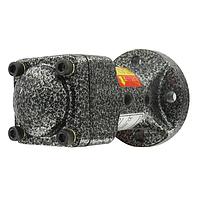
Another specialized option is the IPV-1 single impact air hammer, which is intended to deliver discrete impact to pipes, vents, and collectors. That type of action can be useful when buildup is localized and continuous vibration is not the main objective.
Electric bin vibrators for straightforward installation
Electric models can be a practical choice where compressed air is limited, costly, or not preferred for the application. They are also worth considering in installations that benefit from fixed-speed motor-driven vibration and simplified electrical connection through a junction box. In many facilities, this makes them easier to integrate into existing control panels or scheduled operating cycles.
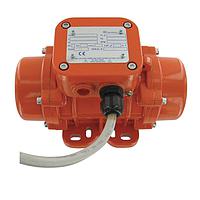
The Dwyer EBV series in this category includes compact adjustable electric bin vibrators such as EBV-2, EBV-3, and EBV-4. These units are presented as low-power and quiet options, with enclosure ratings suitable for industrial environments. For buyers comparing pneumatic and electric approaches, the decision usually comes down to available utilities, required force, acceptable noise level, mounting location, and whether intermittent or continuous assistance is needed.
How to choose the right model for your process
The most important selection factors usually start with the material itself. Fine powders, damp solids, light flakes, pellets, or dense granules do not respond the same way to vibration. Vessel size, wall thickness, outlet shape, and the exact location of the blockage also influence whether a high-frequency vibrator, piston style, or impact hammer is the better fit.
It also helps to review practical operating data such as maximum vibrating force, frequency or VPM, supply pressure, air consumption, and process temperature limits. For example, some models in this category are designed for higher frequency output, while others prioritize stronger force at lower frequency. Noise level can matter as well, especially for indoor installations or operator-access areas.
If process monitoring is part of the same project, it may be useful to evaluate whether a vibrator should be paired with a level gauge or another level device. That combination can help teams distinguish between a true low-level condition and a false empty indication caused by bridging above the outlet.
Application examples across industry
Bin vibrators are commonly applied in handling systems for powders, grains, aggregates, minerals, pellets, and similar bulk solids. Typical use points include hopper outlets, feed chutes, dust collection components, weigh bins, day bins, and transfer vessels where intermittent flow can affect overall process consistency.
Different device styles can support different objectives. A turbine or roller vibrator may be selected where regular vibration helps maintain steady discharge, while an impact hammer may be more appropriate for stubborn buildup on ducts or collectors. Electric units can fit enclosed or utility-constrained installations where stable mechanical vibration is sufficient and compressed air is not the preferred energy source.
Installation and operating considerations
Even a well-matched vibrator needs proper mounting and operating logic to work effectively. Mounting surface rigidity, placement relative to the problem zone, and the use of intermittent versus continuous operation all affect results. Running a vibrator continuously when only periodic activation is needed may increase wear, energy use, or unnecessary noise without improving discharge.
It is also important to review supply conditions before purchase. Pneumatic models should be checked for air connection size, pressure availability, and consumption, while electric models should be matched to the site voltage and enclosure requirements. For harsher or washdown-prone settings, enclosure details such as IP66 or NEMA Type 4X can be relevant when comparing electric options in this category.
Choosing with the full system in mind
A bin vibrator is most effective when it is selected as part of the full material handling and level management strategy, not as an isolated fix. The right choice depends on how the bulk solid behaves, how the vessel is built, and whether the site is better served by pneumatic or electric operation. Comparing force, frequency, utility demand, noise, and installation conditions will usually lead to a more reliable outcome than choosing by size alone.
This category brings together several Dwyer solutions for flow assistance, from impact hammers and pneumatic vibrators to adjustable electric units. If your process is dealing with bridging, inconsistent discharge, or buildup in storage and transfer equipment, reviewing the application requirements carefully will make it easier to identify the most suitable model for long-term operation.
Get exclusive volume discounts, bulk pricing updates, and new product alerts delivered directly to your inbox.
By subscribing, you agree to our Terms of Service and Privacy Policy.
Direct access to our certified experts