What is calibration for a data logging thermometer/hygrometer?
Simply put, calibration is the process of bringing a hygrometer back to a state that accurately measures real-world values. After prolonged use, the sensor is easily affected by the environment, high humidity, constantly changing temperatures, or component degradation. In such cases, the data may still be displayed, but the deviation may gradually increase, making it difficult for users to accurately assess air conditions.
Typically, this process is performed at testing or warranty centers, where standard equipment is available for comparison and adjustment. This method helps keep the error within acceptable limits and ensures the device maintains stable operation.
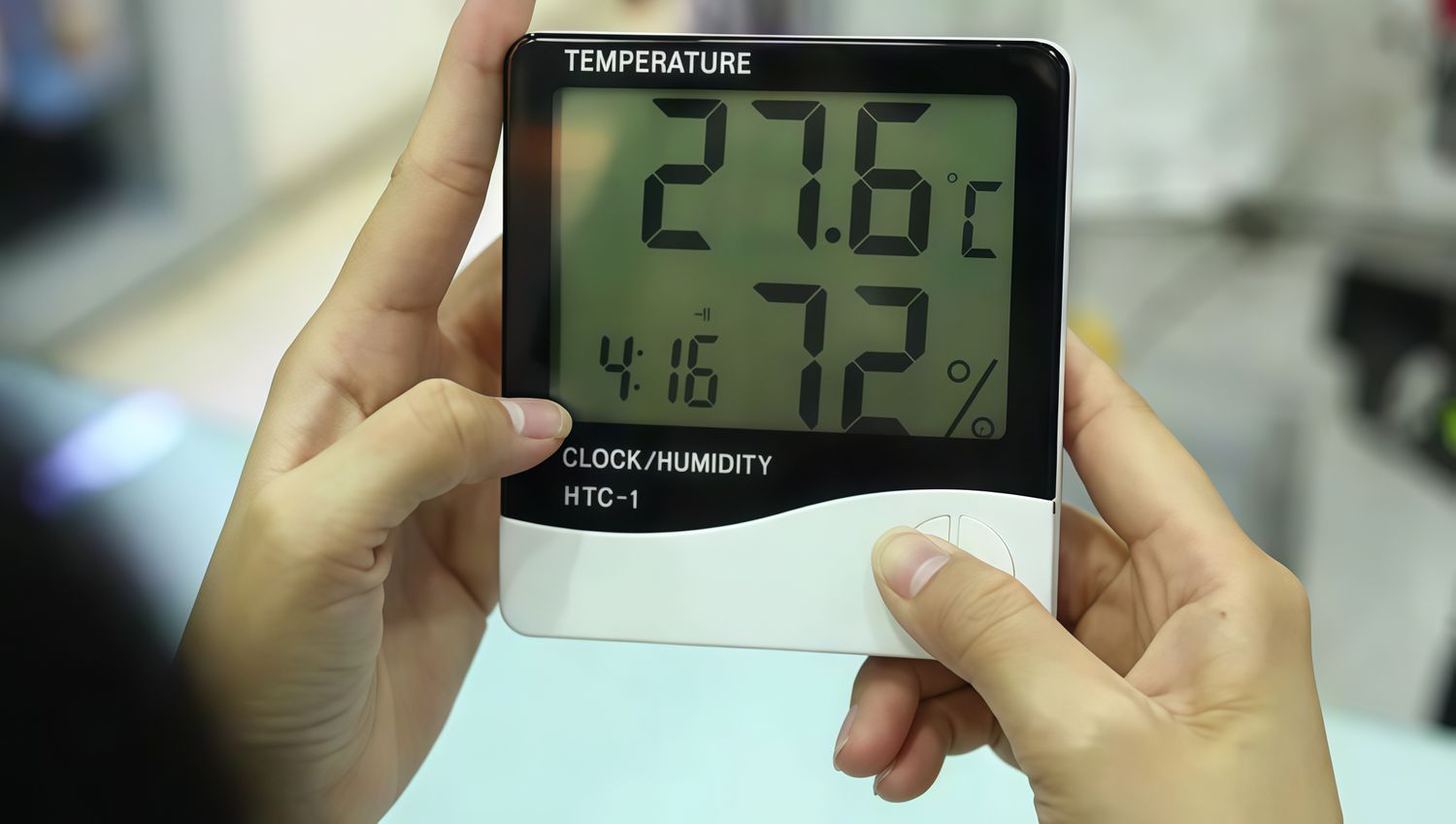
Users can perform the operation themselves if they have technical knowledge and the necessary tools. However, incorrect operation can easily misalign the sensor, even causing damage or risks during use. For equipment used in storage, laboratories, or for long-term monitoring, choosing a professional service provider is still a safer option.
Why is calibration necessary for data logging thermometers and hygrometers?
After a period of use, self-recording hygrometers are inevitably prone to measurement inaccuracies or minor sensor errors. Environmental changes, high humidity, constantly fluctuating temperatures, or simply component degradation can all cause measurement results to no longer accurately reflect reality. Continued use in this state will result in less valuable and less reliable data for monitoring purposes.
Typically, a calibration cycle is recommended around every six months. This timeframe allows for a comprehensive check of the device's functionality and adjustment of parameters to ensure more stable temperature and humidity measurements. This helps maintain the necessary accuracy over long-term use.
See also: Humidity-Temperature Data Logger
Calibration procedure for self-recording hygrometers
1. External Inspection
The first step is to observe the device as a whole. Compare the size, appearance, display screen, and power supply with the information on the manufacturer's label. This inspection helps to detect early display errors, power supply errors, or basic malfunctions that may affect subsequent measurement results.
2. Measuring and Calibrating Humidity
Common humidity levels for testing include 30% RH, 60% RH, and 90% RH, depending on actual usage requirements. Place the self-recording hygrometer and standard probe together in a humidity chamber. After the environment stabilizes, compare the data and determine the difference. If the error exceeds the permissible limit, the technician will readjust the equipment according to the agreed-upon requirements. A calibration certificate will be issued upon completion of this process.
3. Temperature Measurement and Calibration
The commonly selected temperature levels are 15°C, 25°C, and 35°C, or according to specific application conditions. The equipment to be calibrated and the reference probe are placed in the temperature-generating chamber. The chamber is adjusted sequentially to each mark, and then the measurement results are compared to identify any discrepancies. If necessary, the parameters are fine-tuned to bring the equipment to a stable measurement state.
4. Recommendations
Regular calibration is recommended to ensure the reliability of recorded data. In cases of significant errors or unstable operation, calibration may be performed earlier than scheduled.
Notes on calibrating a self-recording thermometer/hygrometer.
The ideal environment for this experiment is between 18 and 28 degrees Celsius, with humidity ranging from 20% to 80%. Before starting, it is necessary to prepare the heating and humidifying chamber, reference equipment, and humidification chamber to ensure a smooth process and accurate results.