What industries will the product be used in?
1. Gas Station, Spray Painting, Casting, Steel, LPG station, Coal chemical, Restaurant: Combustible Gas(LEL)
2. Underground Parking: Carbon Monoxide(CO)
3. Metallurgy, Biopharmaceuticals, Power: Hydrogen(H2)
4. Refrigeration, Frozen Foods, Toy Industry: Liquid Ammonia, Ammonia(NH3)
5. Poultry, Farming Industry: Ammonia(NH3), Oxygen(O2)
6. Sewage Treatment, Garbage Treatment,Sludge Treatment: Ammonia(NH3), Hydrogen Sulfide(H2S),Oxygen(O2), Combustible Gas(LEL),Odor
7. Power Plant: Hydrogen(H2), Sulfur Dioxide(SO2)
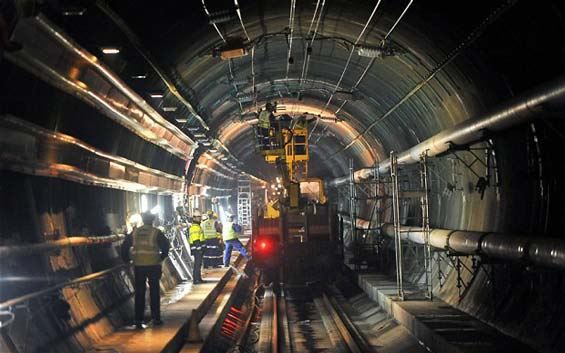
8. Tunnel, Municipal, Mine field, Pipe Wells operation, Telecom, Power, Construction: Oxygen(O2), Carbon Monoxide(CO), Hydrogen Sulfide(H2S), Combustible, Gas(LEL)
9. Metallurgy, Thermal Power Plant Industry: Oxygen(O2), Carbon Monoxide(CO)
10. Chemical Industry: Oxygen(O2), Combustible Gas(LEL), Hydrogen(H2), Carbon Monoxide(CO), Hydrogen Sulfide(H2S), Sulfur Dioxide(SO2), Hydrogen Arsenid (AsH3), Hydrogen Fluoride(HF)
11. Petroleum: Combustible Gas(LEL), Chlorine(CL2), Hydrogen Sulfide(H2S), Carbon Monoxide(CO)
12. Water Treatment: Chlorine(CL2), Chlorine Dioxide(CLO2)
13. Agricultural: Carbon Monoxide(CO), Hydrogen(H2), Carbon Dioxide(CO2)
14. Fumigation, Granary, Deinsectization, Insecticide: Phosphine(PH3), Bromomethane(CH3Br)
15. Air quality Control, Hospital, Heating and Ventilation: Carbon Dioxide(CO2)
16. Hospital, Medical Treatment, Medical Disinfection: Ethylene Oxide(C2H4O), Oxygen(O2), Hydrogen(H2), Hydrogen Peroxide(H2O2)
17. Military Enterprises - high voltage substations, Power Station: Sulfur Hexafluoride(SF6), Oxygen(O2)
18. Laboratory: Methane(CH4), Carbon Dioxide(CO2), Oxygen(O2), Hydrogen Sulfide(H2S), Ozone(O3), Ammonia(NH3), Hydrogen(H2)
19. Indoor Disinfection, Foods Factory, Cleaning Area, CDC (The Centers for Disease Control): Ozone(O3)
20. Ozone Generator: Ozone(O3), Oxygen(O2)
21. Cement Plant: Ammonia(NH3), Hydrogen Sulfide(H2S), SO2
22. Waste Water, Waste Gas, Environmental Protection: Hydrogen Sulfide(H2S), Carbon Monoxide(CO), Sulfur Dioxide(SO2), Ammonia(NH3)
23. Environmental Protection, Exhaust Emission, Flue Gas Treatment: Hydrogen Sulfide(H2S), Hydrogen Cyanide(HCN), Ammonia(NH3), Carbon Monoxide(CO)
24. Desulfurization, Energy, Oil and Gas Recovery: Hydrogen Sulfide(H2S), Oxygen(O2), Carbon Monoxide(CO)
25. Aluminum, Rubber tire Industry: Hydrogen Sulfide(H2S), Carbon Monoxide(CO), Ammonia(NH3)
26. Mine field, Oilfield Oil Recovery, Petroleum Industry: Hydrogen Sulfide(H2S), Phosphine(PH3), Carbon Disulfide(CS2)
27. Environmental Protection Wall Material, Indoor Decoration, Pharmaceutical Factory Disinfection, Health Supervision, Spray Paint Room, Furniture Controls: Formaldehyde(HCHO), VOC
28. Gas Production Enterprises, Pharmaceutical Factory: Ozone(O3), Oxygen(O2), Ammonia(NH3)
29. Mobile Phone Factory, Battery factory, Circuit Board factory: Oxygen(O2), Nitrogen(N2)
30. Alloy Industry, Flue Gas, Exhaust Gas: Oxygen(O2), Nitrogen Oxides(NOx), Nitrogen Dioxide(NO2)
31. Environment protection: Carbon Monoxide(CO), Ozone(O3), Sulfur Dioxide(SO2), Nitrogen Dioxide(NO2), PM2.5, PM10, VOCs
****Besides, depending on actual conditions, more suitable gases will be selected****
Contact EMIN Vietnam for more advice on different types of gas sensors and gas meters suitable for your application.