For full functionality of this site it is necessary to enable JavaScript.
EMINKH.COM
0

Why is wind speed never constant?

02/06/2026 15:53:09

Wind speed is a familiar concept frequently mentioned in everyday life. However, its true nature is not always understood. In many cases, wind speed is not just a measurement but also reflects how air moves and directly affects the surrounding environment

Particularly in the field of cooling and ventilation, wind speed plays a crucial role as it determines the level of air exchange and the comfort level when using the equipment.

How is wind speed formed?

Wind occurs when air moves from areas of high pressure to areas of low pressure. This pressure difference usually stems from differences in atmospheric temperature. The greater the difference, the faster the air moves.
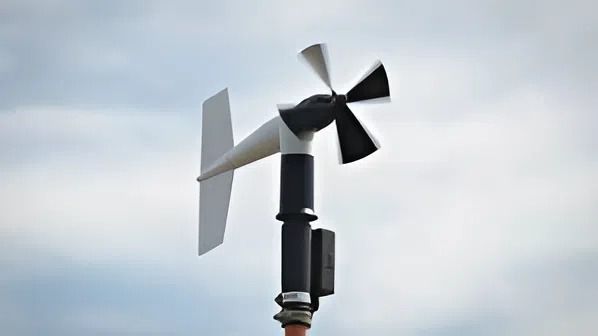
In natural conditions, wind direction and speed are not entirely straightforward. The Earth's rotation and atmospheric structure cause wind currents to be deflected and unevenly distributed. Therefore, wind speeds can vary significantly in different areas at the same time.

The role of wind speed in production and daily life

Wind speed directly affects weather, air and maritime traffic, and many outdoor activities. Furthermore, it impacts heat and humidity exchange, thereby affecting daily life and production.

In enclosed environments such as factories or living spaces, wind speed determines air circulation. Too weak wind causes stagnant air, while too strong wind is uncomfortable and disperses airflow unevenly.

Factors that change wind speed

Wind speed is influenced by a variety of factors, ranging from large-scale to local conditions. Atmospheric pressure differences are a fundamental factor, but topography also has a significant influence.

Open areas generally have higher wind speeds than areas with many obstacles. Furthermore, weather phenomena such as monsoons, storms, or tornadoes can cause rapid changes in wind speed over short periods. Local climatic conditions therefore play a crucial role in the formation and maintenance of wind currents.

Measure and assess wind speed

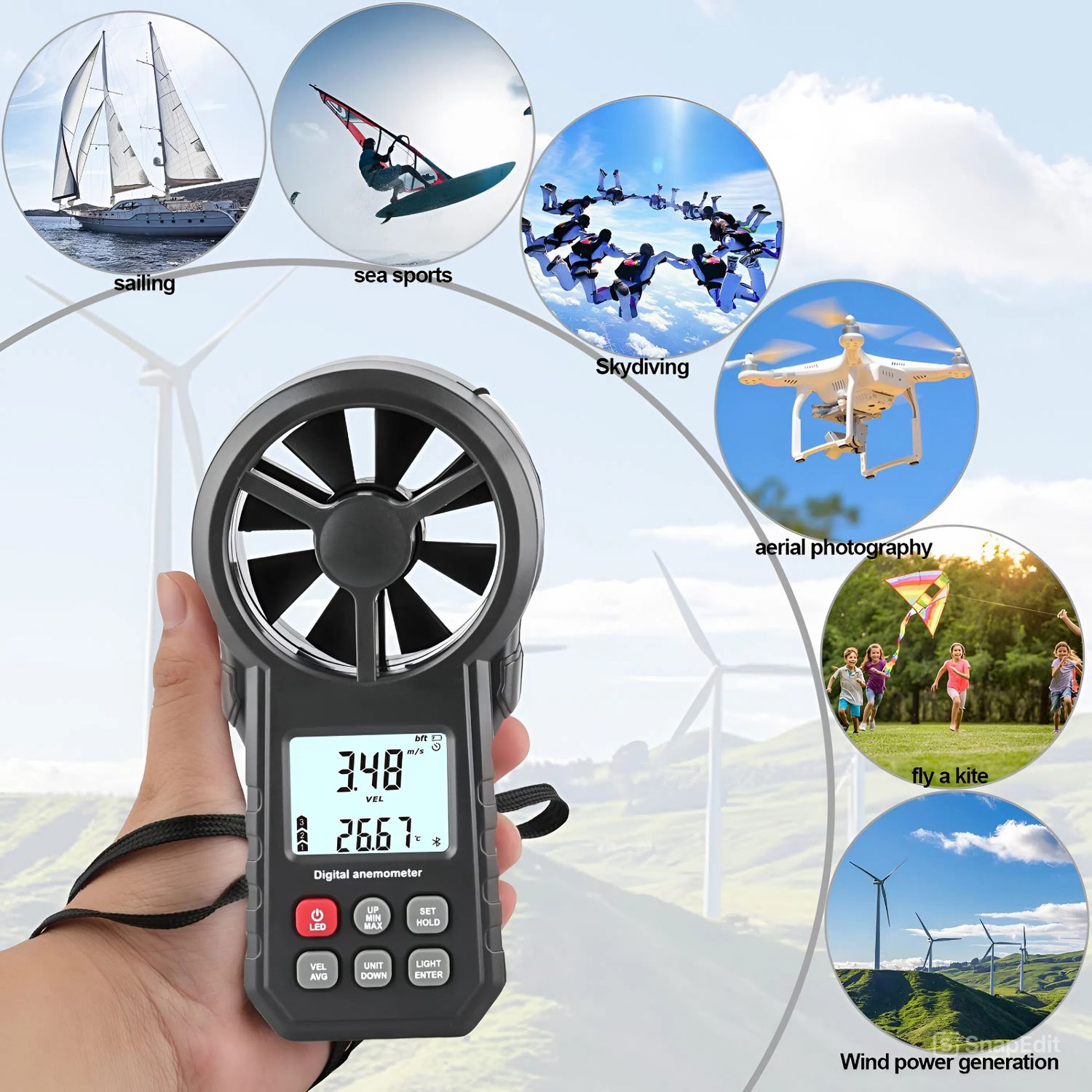
Wind speed is currently determined using specialized measuring equipment. In addition, in some cases, observation-based scales are still used to classify wind levels based on their impact on the surrounding environment.

Measuring and evaluating wind speed serves not only weather research but also helps control operating conditions in various fields, especially ventilation and cooling.

Reference: EMIN anemometer

Wind speed on cooling devices

For fans and cooling devices, wind speed indicates how quickly the airflow passes through the air outlet. This indicator depends on the airflow rate and the air outlet area of ​​the device.

In practical use, wind speed directly affects the feeling of coolness and the efficiency of air circulation. A device with a wind speed suitable for the space will be more effective than one that focuses solely on power or airflow.

Related articles:

What makes the Extech AN100 anemometer so special and sought after?

Related News

Does thermal shock cause damage to electronic components?
07/22/2026 10:40:49

An electronic component may operate stably under constant temperature conditions yet fail after repeated rapid transitions between hot and cold. The issue typically stems not from a specific temperature level, but rather from the rate of temperature change and the number of hot-cold cycles

The rigorous standards behind a multi-million-dollar MRI suite
07/21/2026 14:54:01

An MRI system may be correctly installed and fully connected to the power supply, yet still encounter issues if the surrounding environment fails to meet technical specifications. Electromagnetic interference, RF shielding, power quality, grounding, temperature, humidity, and particulate levels are all factors that may require assessment, depending on the facility's design and the manufacturer's requirements.

Sinusoidal and Random Vibration: A Test Setup Guide for Industrial Engineers
07/21/2026 10:30:38

During the operation of industrial machinery or the transportation of goods, persistent mechanical vibrations inevitably occur; these are a primary cause of material fatigue, loosened connections, and cracking in printed circuit boards (PCBs). To ensure product integrity before delivery to customers, R&D and QA/QC engineers must simulate these dynamic forces using vibration test systems.

Capacities of laboratory centrifuge tubes
07/20/2026 13:55:40

Tubes with capacities of 0.2 ml, 1.5 ml, 15 ml, or 50 ml are commonly found in laboratories, yet each type is associated with specific sample categories and equipment configurations. DNA and RNA samples typically require small-volume microtubes; blood and cell samples often utilize 5 ml or 15 ml tubes; while large-volume processing workflows may require tubes of 50 ml, 100 ml, or greater capacity

How Much Does Atmospheric Pressure Need to Drop Before It Rains ?
07/20/2026 10:11:04

A barometric pressure meter (barometer) often detects changes in weather conditions before rainfall begins. As atmospheric pressure falls, the structure of the surrounding air mass is also changing. However, there is no fixed pressure threshold that guarantees rain will occur.

Stay Updated with Offers

Get exclusive volume discounts, bulk pricing updates, and new product alerts delivered directly to your inbox.

By subscribing, you agree to our Terms of Service and Privacy Policy.

Quick Support

Direct access to our certified experts