
09/23/2026 15:19:11
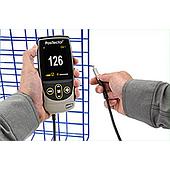
Non-destructive wire coating measurement relies on matching the gauge and calibration to the wire substrate and diameter, then checking coated parts against required thickness limits.
Non-destructive wire coating measurement relies on matching the gauge and calibration to the wire substrate and diameter, then checking coated parts against required thickness limits.
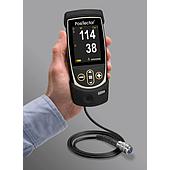
Duplex systems pair a barrier coating with zinc protection. PosiTector 6000 FNDS measures the paint and zinc layers individually in a single reading by combining magnetic and eddy-current measurement principles.

A practical guide to collecting, grading, and reporting loose dust on prepared steel surfaces using the ISO 8502-3 visual comparison method.

Ultrasonic measurement helps determine the remaining thickness of acrylic windows from one side, supporting wear monitoring and aircraft window refurbishment. An ultrasonic thickness gauge enables inspection without removing the window or requiring mechanical measurement from both sides. Measurements can be performed from one side of the surface when the probe is properly coupled to the material.
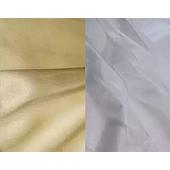
Nylon fabric yellowing is a surface color change in which white or light-colored material turns yellow when exposed to light, heat, or chemicals. Therefore, a fabric color fastness tester is an essential part of the quality control process, helping manufacturers evaluate color stability before discoloration occurs in finished products.
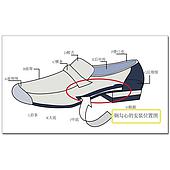
Steel shanks are concealed components that connect the heel and forefoot area of many shoes. Evaluating their hardness, fatigue resistance, stiffness, and bending performance supports footwear quality control.
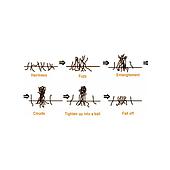
Fabric pilling is a common phenomenon that occurs after a period of wearing, washing, or using textile products due to friction during use. In quality control, evaluating a fabric’s resistance to pilling provides manufacturers with additional information to assess its suitability for the intended application.
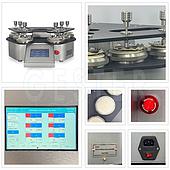
A practical overview of textile abrasion resistance, the effects of repeated friction, and the two commonly used testing approaches: Martindale and Taber.
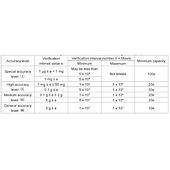
A practical guide to operating, inspecting, and maintaining a laboratory balance, with attention to leveling, stable readings, repeat checks, and careful cleaning.
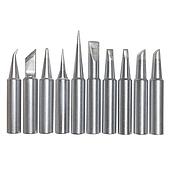
Nhiệt độ cao là yếu tốaHigh temperature is an obvious factor, but the service life of a soldering tip also depends on its surface coating, the chemicals in the flux, cleaning methods, and the number of heating and cooling cycles. A soldering tip used correctly can maintain stable heat transfer performance for significantly longer.dễ nhận thấy, nhưng tuổi thọ mũi hàn còn phụ thuộc vào lớp phủ bề mặt, hóa chất trong chất trợ hàn, cách vệ sinh và số lần gia nhiệt – làm nguội. Một mũi hàn được sử dụng đúng kỹ thuật có thể duy trì khả năng truyền nhiệt ổn định lâu hơn đáng kể.
Get exclusive volume discounts, bulk pricing updates, and new product alerts delivered directly to your inbox.
By subscribing, you agree to our Terms of Service and Privacy Policy.
Direct access to our certified experts