
09/14/2026 11:11:36
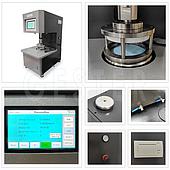
An overview of the three common methods used to evaluate how fabrics resist or transmit water: hydrostatic pressure, spray rating, and rain testing.
An overview of the three common methods used to evaluate how fabrics resist or transmit water: hydrostatic pressure, spray rating, and rain testing.
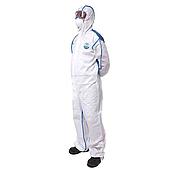
A practical overview of key medical protective clothing testing items and how laboratories can organize a quality-control evaluation plan.

A practical overview of light fastness in textiles, the factors behind fading, and approaches that can support more consistent color performance.
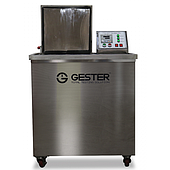
An overview of textile color fastness testing, including what each test assesses, how results are evaluated, and relevant GESTER instruments.
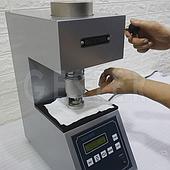
An overview of the GT-KC52 Circular Rubbing Colour Fastness Tester, its stated test functions, dry-rub workflow, and practical selection considerations.
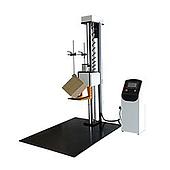
A practical overview of package drop testing and the GT-LC05-1 Single Wing Falling Tester for evaluating packaging impact resistance during transport.
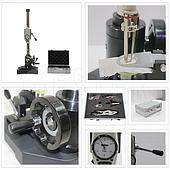
Snap button testing evaluates whether buttons, push-buttons, and other attached garment accessories remain securely fixed when subjected to a controlled pull force.
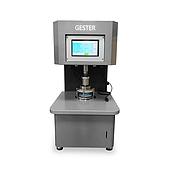
Hydrostatic head testing evaluates a fabric’s resistance to water penetration under controlled pressure. This guide explains the method, test observations, and practical interpretation of results.
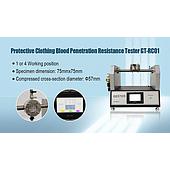
A protective clothing blood penetration resistance tester supports the evaluation of material resistance to synthetic blood under controlled test conditions.
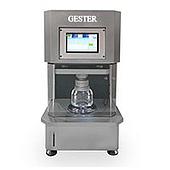
A practical overview of fabric bursting strength, the hydraulic testing process, and how burst and distension data can inform quality-control decisions.
Get exclusive volume discounts, bulk pricing updates, and new product alerts delivered directly to your inbox.
By subscribing, you agree to our Terms of Service and Privacy Policy.
Direct access to our certified experts