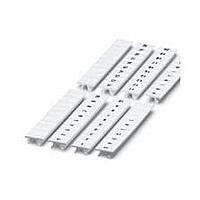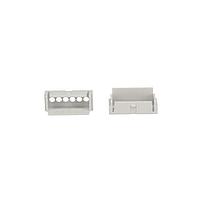
Terminal Block Tools & Accessories
Reliable field wiring depends on more than the terminal block itself. In control panels, machinery, and industrial distribution assemblies, the small supporting items around the connection point often determine how quickly a system can be installed, how clearly circuits are identified, and how safely maintenance can be carried out later. That is where Terminal Block Tools & Accessories become important.
This category covers the practical components used to support terminal block assembly, labeling, inspection, and day-to-day panel work. For buyers, panel builders, and maintenance teams, choosing the right accessories helps create cleaner wiring layouts, reduce handling errors, and keep terminal systems easier to service over time.
Why tools and accessories matter in terminal block installations
In industrial automation, terminal blocks are rarely used as standalone parts. A complete connection system usually requires marking elements, installation aids, bridges, test support, and handling tools to make the assembly functional in real operating conditions. These details may seem secondary during procurement, but they have a direct effect on commissioning speed and long-term maintainability.
Well-matched accessories also support consistency across multiple panels or production lines. When technicians can identify terminals quickly, perform wiring work with the right tools, and replace parts without confusion, downtime risks are lower and documentation becomes easier to follow. This is especially relevant in projects that use large numbers of connections or demand clear signal segregation.
What is typically included in this category
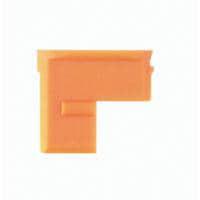
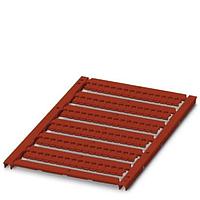
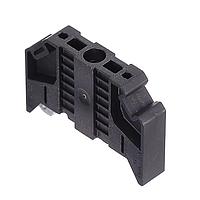
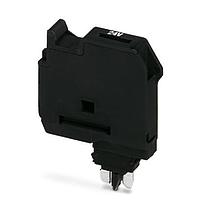
Terminal block tools and accessories generally refer to the supporting items used alongside terminal blocks rather than the base connection blocks themselves. Depending on the application, this may include tools for assembly or release, identification and marking elements, covers, jumpers, separators, end supports, and other installation-related parts that help complete the wiring system.
These accessories are often selected according to terminal block family, mounting method, wiring density, and service requirements. If your project also involves the main connection hardware, it can be helpful to review related DIN rail terminal block options to ensure compatibility between the accessory set and the terminal block design already specified.
Common use cases in control panels and industrial wiring
In a typical electrical panel, accessories help organize connections for power distribution, signal routing, control I/O, and field device termination. Marking components improve circuit identification, while separators and end elements help define groups of terminals for different voltages or functions. Installation tools make repetitive panel work more efficient, particularly in builds with high terminal counts.
Maintenance teams also benefit from these items during troubleshooting and retrofit work. Clear terminal identification and proper service access can shorten fault tracing, while compatible accessories help preserve the original panel layout when modifications are made. In facilities where uptime matters, these practical details contribute to a more serviceable wiring infrastructure.
How to choose the right accessories for your setup
The first consideration is compatibility. Many accessories are designed for specific terminal block series or mechanical formats, so buyers should confirm that the selected item matches the block style already in use. This is particularly important for cross-connection parts, markers, end plates, and release tools, where fit and handling accuracy directly affect installation quality.
The second factor is the working environment. High-density cabinets may require accessories that support compact identification and easier maintenance access, while more demanding industrial environments may call for robust parts suited to repeated servicing. It is also useful to consider whether the project needs future expansion, since a well-planned accessory strategy can make later changes simpler and more consistent.
Where signal interfacing is part of the design, some users may also compare this category with terminal block interface modules to determine whether the application needs only wiring support accessories or a broader interface solution between field wiring and control equipment.
Manufacturer ecosystem and sourcing considerations
For B2B procurement, the value of this category is not only in the part itself but in the wider ecosystem around it. Established manufacturers such as 3M, AMP Connectors - TE Connectivity, Amphenol, and Eaton are often considered when buyers want continuity across industrial connection components and supporting hardware.
When evaluating sourcing options, it is worth checking whether the manufacturer supports the required terminal platform, accessory range, and long-term availability for maintenance stock. In multi-site or OEM environments, standardized sourcing can simplify replacement planning and reduce variability across builds, especially when terminal assemblies are repeated across several machines or cabinets.
Supporting safer, cleaner, and more maintainable panel builds
A terminal block system works best when it is easy to understand at a glance and practical to service in the field. Accessories help create that result by improving identification, mechanical organization, and installation workflow. Even simple additions can make a noticeable difference in how a panel is wired, inspected, and maintained throughout its service life.
This is also why many engineers treat accessories as part of the original design rather than as afterthoughts. Specifying the right end elements, markers, or handling tools early in the project can help avoid inconsistent assembly practices later. For teams building or servicing larger connection systems, it may also be useful to browse the broader range of industrial terminal block solutions through the site navigation and related categories already provided on the page.
Procurement tips for B2B buyers
When purchasing for industrial use, it helps to align accessories with the actual panel workflow instead of selecting parts one by one in isolation. Consider how terminals will be labeled, how often technicians will need to access or modify the wiring, and whether spare accessories should be stocked together with the main terminal blocks. This approach usually leads to fewer compatibility issues and more predictable maintenance practices.
It is also practical to review packaging, project volume, and standardization needs across departments or production lines. Buyers managing recurring builds often benefit from selecting accessory sets that support consistent installation methods, clearer documentation, and smoother replacement handling over time.
Final thoughts
Choosing the right terminal block tools and accessories is an important step in building dependable and service-friendly electrical assemblies. While these parts are smaller than the terminal blocks they support, they play a major role in installation efficiency, wiring clarity, and ongoing maintenance.
For engineers, panel builders, and procurement teams, the most effective choice is usually the one that matches the terminal system already in use, fits the service environment, and supports a clear long-term wiring strategy. A well-selected accessory set helps turn a basic connection layout into a cleaner, more manageable industrial installation.
Get exclusive volume discounts, bulk pricing updates, and new product alerts delivered directly to your inbox.
By subscribing, you agree to our Terms of Service and Privacy Policy.
Direct access to our certified experts