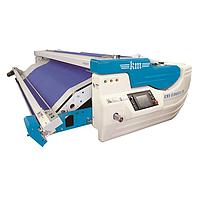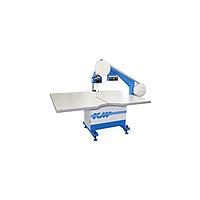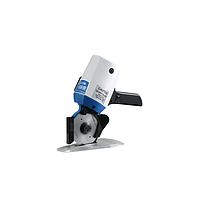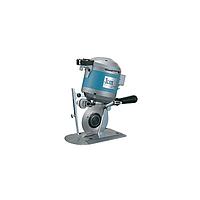
Other texile industry auxiliary products
Many textile production lines depend on small but essential support devices that keep marking, cutting, winding, and finishing work consistent. When a process does not fit neatly into standard cutting or pressing equipment, this is where other textile industry auxiliary products become especially useful. These tools help operators improve handling accuracy, reduce manual variation, and support smoother workflow across sewing rooms, sample development, garment preparation, and fabric processing.
Rather than serving one single task, this category covers practical equipment used around the main production process. From laser alignment and cloth marking to thread winding, steam ironing, and compact cutting support, these auxiliary solutions are often chosen to solve very specific bottlenecks on the shop floor.
What this category is designed to support
In textile and garment operations, not every productivity gain comes from large machines. A significant part of daily efficiency comes from support equipment that helps teams prepare materials, mark positions, manage threads, perform local finishing, or complete repetitive handling steps with better control.
This category brings together devices that are commonly used alongside core production equipment. For example, a factory may use laser markers for alignment, winding machines for bobbin or thread preparation, cutters for trimming and material handling, and steam irons for local finishing before packaging or sewing. These products play a supporting role, but in many environments they are critical to maintaining output quality and operator speed.
Typical equipment found in this range
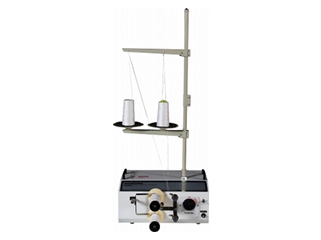
Several featured products in this category illustrate the breadth of auxiliary textile applications. For thread handling, models such as the HASHIMA HW-10NS Traverse Winder, HW-20NS Traverse winder, HW-20C Universal winder, and HW-40C Universal winder are used where controlled winding and bobbin preparation are part of the workflow. The difference between compact and larger-format winders can matter when balancing floor space, throughput, and operator convenience.
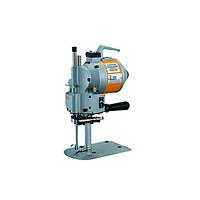
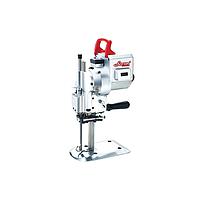
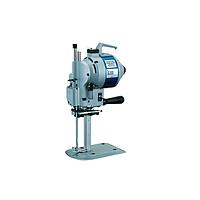
For alignment and positioning, the HASHIMA HLA-2MP Laser marker and the HLAR-4ML or HLAR-6ML Laser marker provide visual reference lines that can help with material placement and repetitive setup tasks. In cutting and preparation work, products such as the HASHIMA KPS-100 KM Cordless Cutter, HASHIMA EC-235 Easy cutter, and HASHIMA KE-AT Shuttle cutter support fabric handling and trimming needs in different operating environments. Finishing support is represented by the HASHIMA HI-350PS Industrial Steam Iron, while the HASHIMA KD-200L Cloth marking drill is relevant for marking operations where repeatable hole positioning is needed.
How auxiliary products improve textile workflow
The value of these devices lies in their ability to improve small but frequent tasks. A laser marker can reduce setup inconsistency during positioning. A winder can standardize thread preparation before sewing or related operations. A compact cutter can save time during trimming, sample work, or mobile use cases where flexibility matters.
These improvements may appear incremental, but they often have a direct impact on throughput, rework, and operator fatigue. In real production settings, process stability often depends on how well these supporting steps are controlled. Choosing the right auxiliary equipment can therefore help bridge the gap between main machinery capacity and actual shop-floor performance.
Key selection points before buying
Because this category covers multiple functions, the first step is to define the actual task the equipment must solve. Buyers should consider whether the need is for marking, alignment, thread winding, trimming, local ironing, or another support activity. From there, practical factors such as power supply, working distance, operating format, machine size, and portability become more relevant than simply comparing products by name.
For example, a steam iron may be selected based on tank capacity and handling comfort, while a laser marker is more likely to be judged by irradiation pattern and effective distance. A winder may be evaluated by installation footprint, bobbin compatibility, and winding speed. For cutters, users typically look at mobility, power source, and how the device fits the actual material-handling routine. When the requirement is broader cutting work, it can also be useful to review the fabric cutting machine category for higher-capacity solutions.
Why HASHIMA is a relevant reference in this category
This range is strongly represented by HASHIMA, a manufacturer associated with textile support equipment used in garment and fabric processing environments. The product examples available here show a practical spread of auxiliary solutions rather than a single machine type, which is useful for buyers looking to standardize support tools from one familiar source.
Within that range, there are both compact handheld tools and larger bench or floor-based devices. This makes it easier to match equipment to the actual production context, whether the need is operator mobility, dedicated workstation use, or repeatable setup in a more structured line environment. The result is a category that supports different scales of operation without forcing every application into the same equipment format.
Relationship to cutting, pressing, and other support processes
Auxiliary textile devices are often selected together with neighboring equipment categories. For example, cutting support tools may be part of a wider material preparation workflow, while steam finishing tools may sit close to inspection, packing, or pressing stations. If your application involves more structured finishing operations, the press machines section may also be relevant.
This is one reason broad support categories remain important in B2B sourcing. Not every production need can be grouped into one machine family, and buyers often need to compare several supporting devices before finalizing a line layout. In that context, these auxiliary textile products help cover functional gaps that standard categories do not fully address.
Suitable applications across textile and garment environments
These products can be relevant in garment factories, textile workshops, sample rooms, alteration and finishing areas, and other production support zones. A cordless or easy cutter may suit flexible handling tasks, while a universal winder is better matched to repeated thread preparation at a fixed station. Laser marking tools can support alignment-sensitive work where visual guidance improves repeatability.
The same logic applies to finishing and marking. A compact industrial steam iron can help with quick local pressing or surface preparation, while a cloth marking drill may support pattern or bundle handling where location marking must be consistent. The right fit depends less on the product label and more on how frequently the task occurs, how standardized the process is, and how much space is available at the workstation.
Choosing with the full process in mind
When evaluating auxiliary equipment, it helps to think beyond the single device and look at the complete workflow around it. A good choice should match the operator’s task, the production pace, and the surrounding machines already in use. That is especially important in textile environments, where small handling steps can influence line balance and final quality.
This category is useful for buyers who need practical solutions for winding, marking, cutting support, and finishing support in one place. By focusing on real process needs and selecting equipment that fits the working method, businesses can build a more efficient and better-coordinated textile operation.
Get exclusive volume discounts, bulk pricing updates, and new product alerts delivered directly to your inbox.
By subscribing, you agree to our Terms of Service and Privacy Policy.
Direct access to our certified experts