
Technical News
The Optical Fault Locator (VFL), commonly known as a fiber optic scope or red light source, is one of the basic yet essential tools in any fiber optic professional's toolbox.
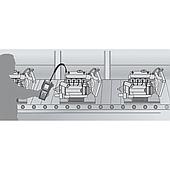
When testing vibration, engineers see the values displayed on the meter screen. But what really matters is the unit behind the number. The same value expressed in velocity or acceleration has a completely different technical meaning and warning level.
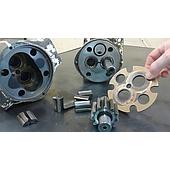
For hydraulic transmission systems, the pump is the key component that determines pressure, flow and overall performance. Many people choose to buy used pumps with the hope of taking advantage of costs, but in reality, the operational risks of used equipment are often much greater when compared to the initial benefits.
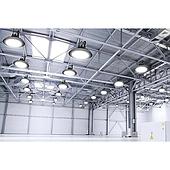
In the production environment, the lighting system not only affects work efficiency but also directly affects the life of equipment, power consumption and operator safety. Each type of lamp, from fluorescent, LED to halogen, has its own operating principle and advantages and disadvantages. Carefully analyzing the characteristics of each type will help determine which is the optimal choice for each area in the factory.
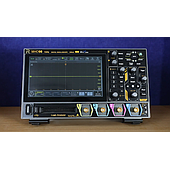
When working with electronic devices, you must have heard about connecting an oscilloscope to a computer and wondered why this operation is so popular. This connection helps to expand the ability to observe signals and increase the speed of testing and analysis during work. You will be surprised by the convenience it brings, especially when experiencing devices like Rigol MHO98, one of the newly launched models with many modern features.
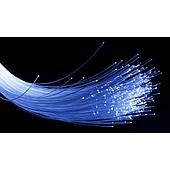
Fiber loss is the cause of light signal weakening during transmission, affecting the performance of the entire network system. This article summarizes specific and easy-to-apply steps to overcome fiber loss, helping you maintain a stable network and smoother transmission.
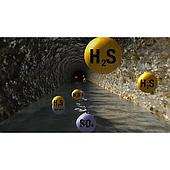
H₂S or hydrogen sulfide is a colorless gas with a characteristic rotten egg odor and often appears in natural or industrial processes such as wastewater treatment, oil and gas exploitation or organic matter decomposition. This gas is toxic even at low concentrations, causing respiratory inhibition and loss of the ability to sense odors upon prolonged exposure. The following article by EMIN will help you understand the properties of H₂S, how to recognize risks and necessary measures to limit its impact on health and the working environment.
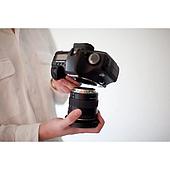
If you want sharp photos, first of all, you need to keep your camera in the best condition after each shooting. The storage environment plays an important role, especially humidity and temperature. If not controlled, the internal components can be easily damaged, the lens can be moldy or yellowed. So, what is the ideal humidity level to store the camera? What temperature is safe? And when not in use, how should you store it to keep it durable and stable? Let's follow along!
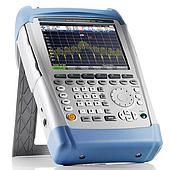
A Handheld Spectrum Analyzer is a device designed to measure and analyze RF signals in a variety of frequency bands.
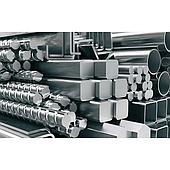
Stainless steel hardness typically ranges from 90 HRB to 31 HRC, depending on the type and composition of the material. On the Mohs scale of mineral hardness, stainless steel is rated 8, which means it is not as hard as titanium or tungsten, but is still much harder than aluminum or copper.
Get exclusive volume discounts, bulk pricing updates, and new product alerts delivered directly to your inbox.
By subscribing, you agree to our Terms of Service and Privacy Policy.